1. Characteristics
Crystal system: Monoclinic prismatic.
Color: Dark gray to black.
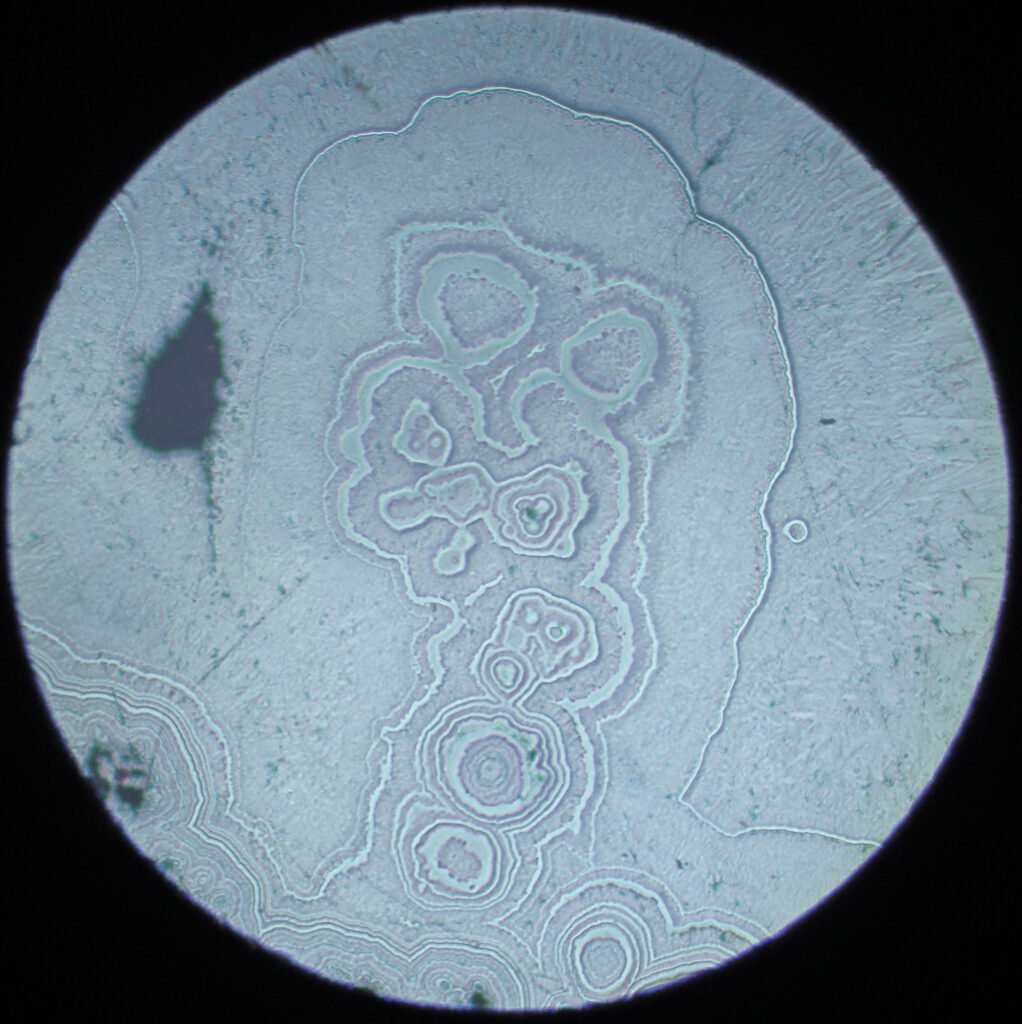
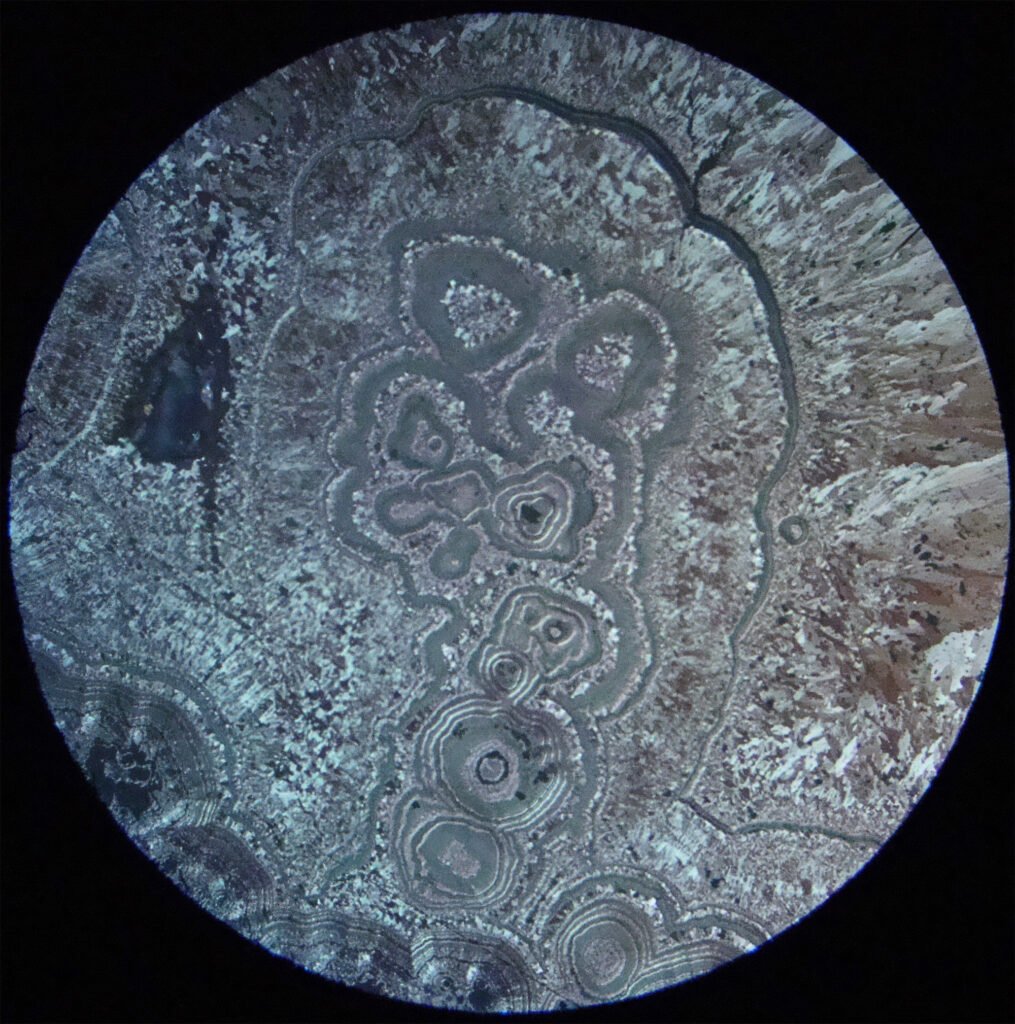
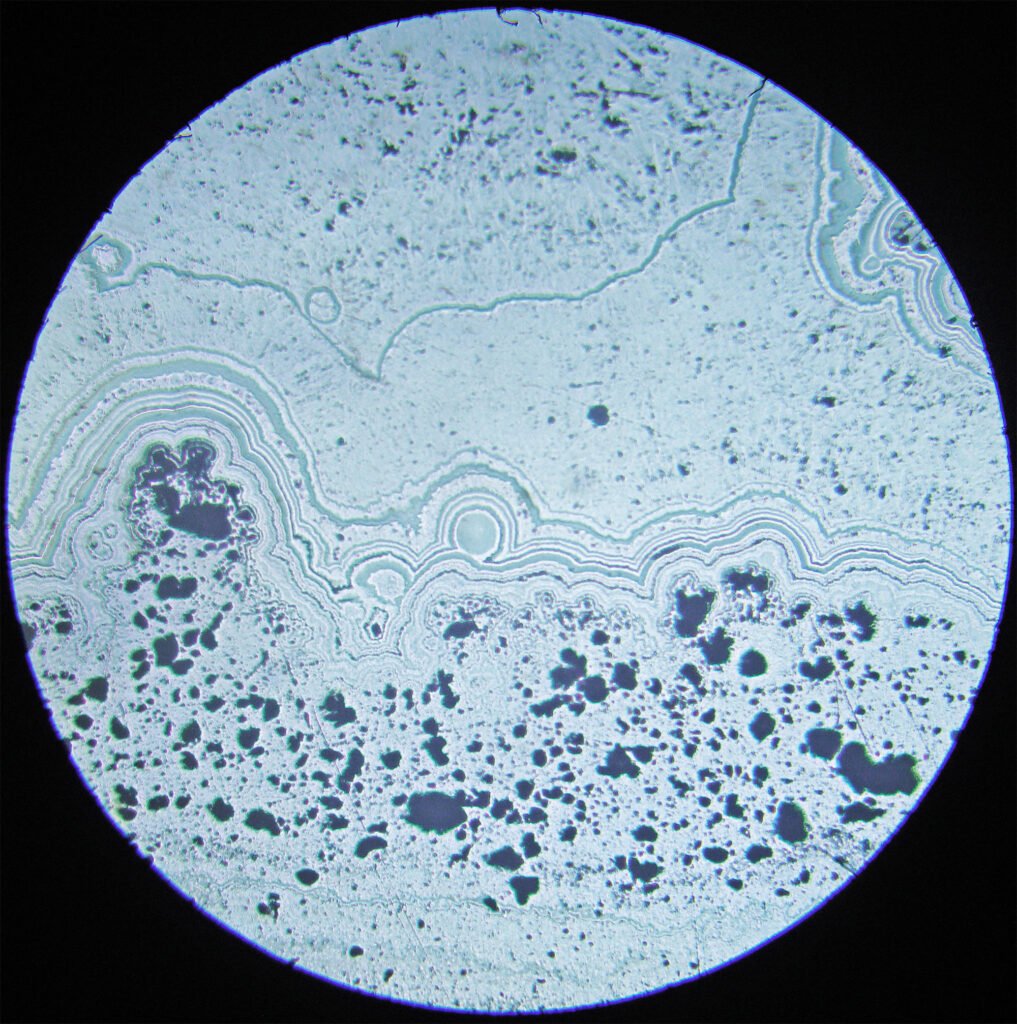
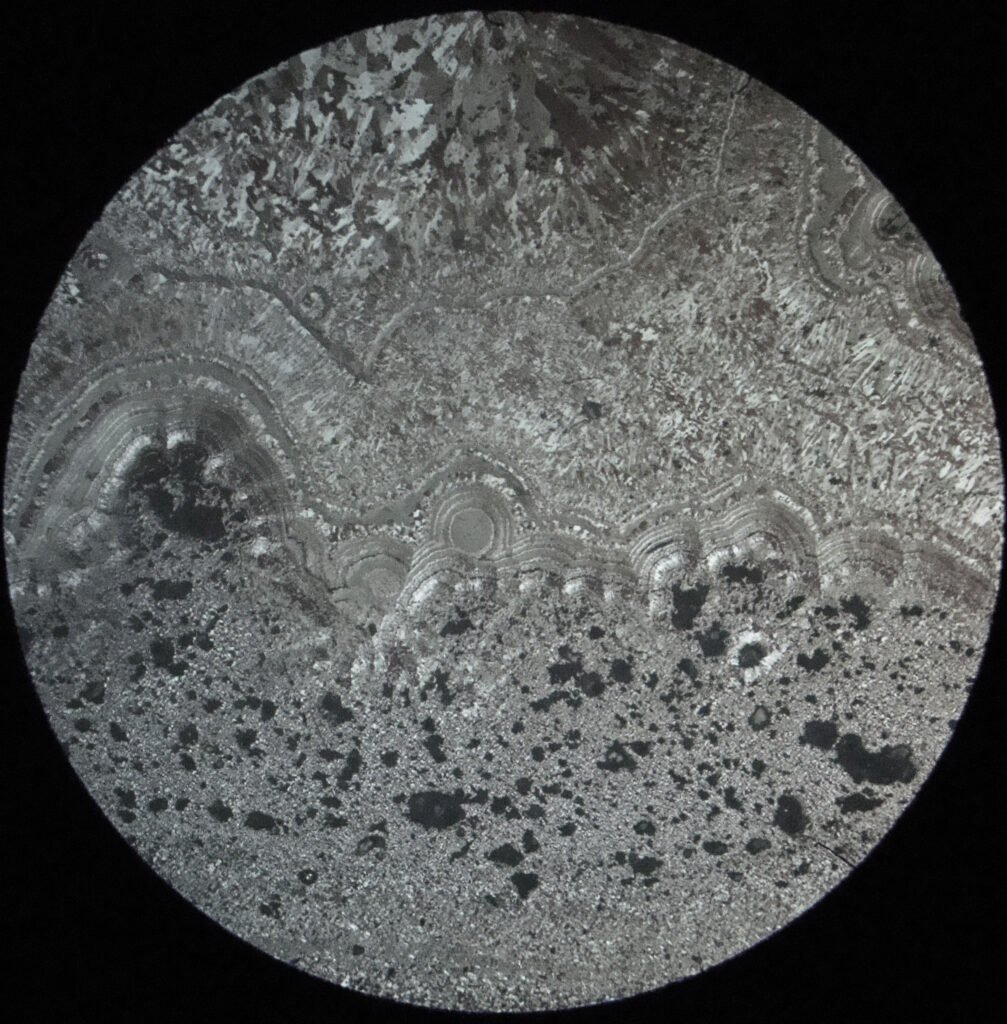
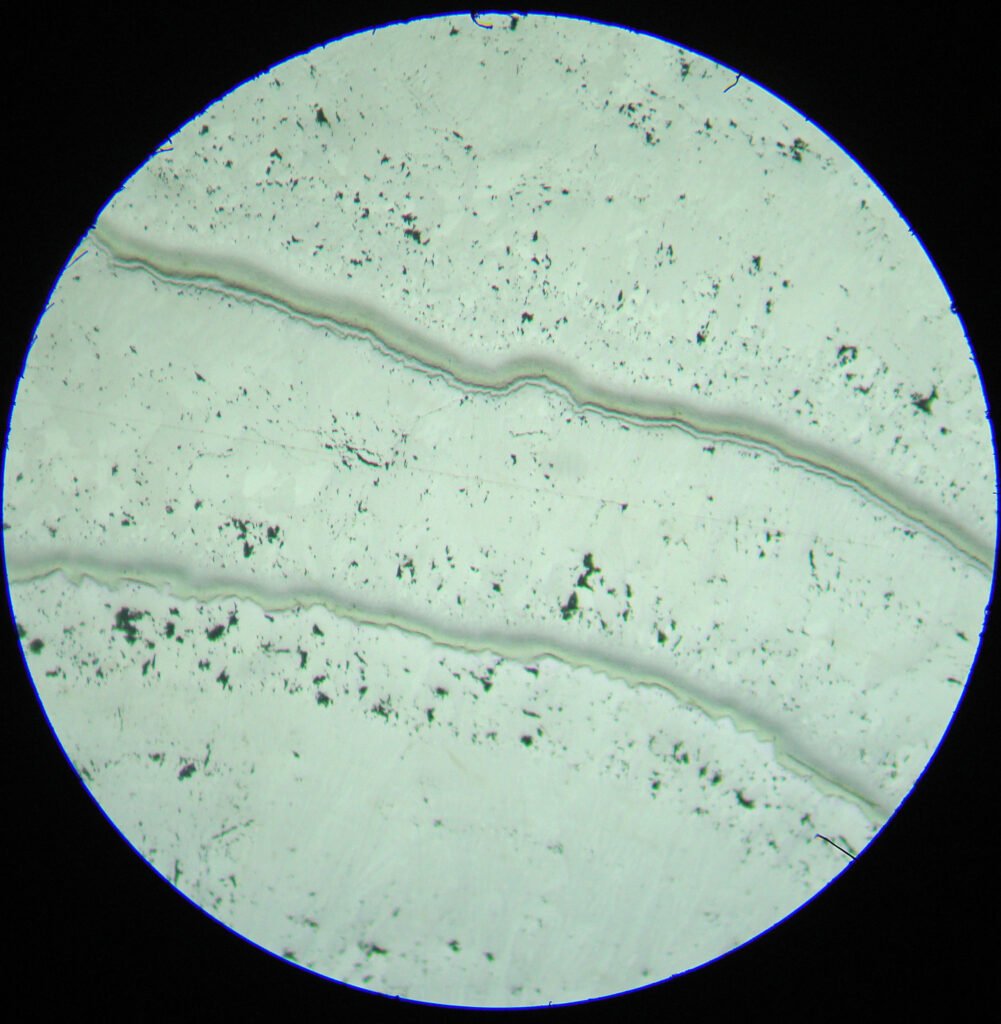
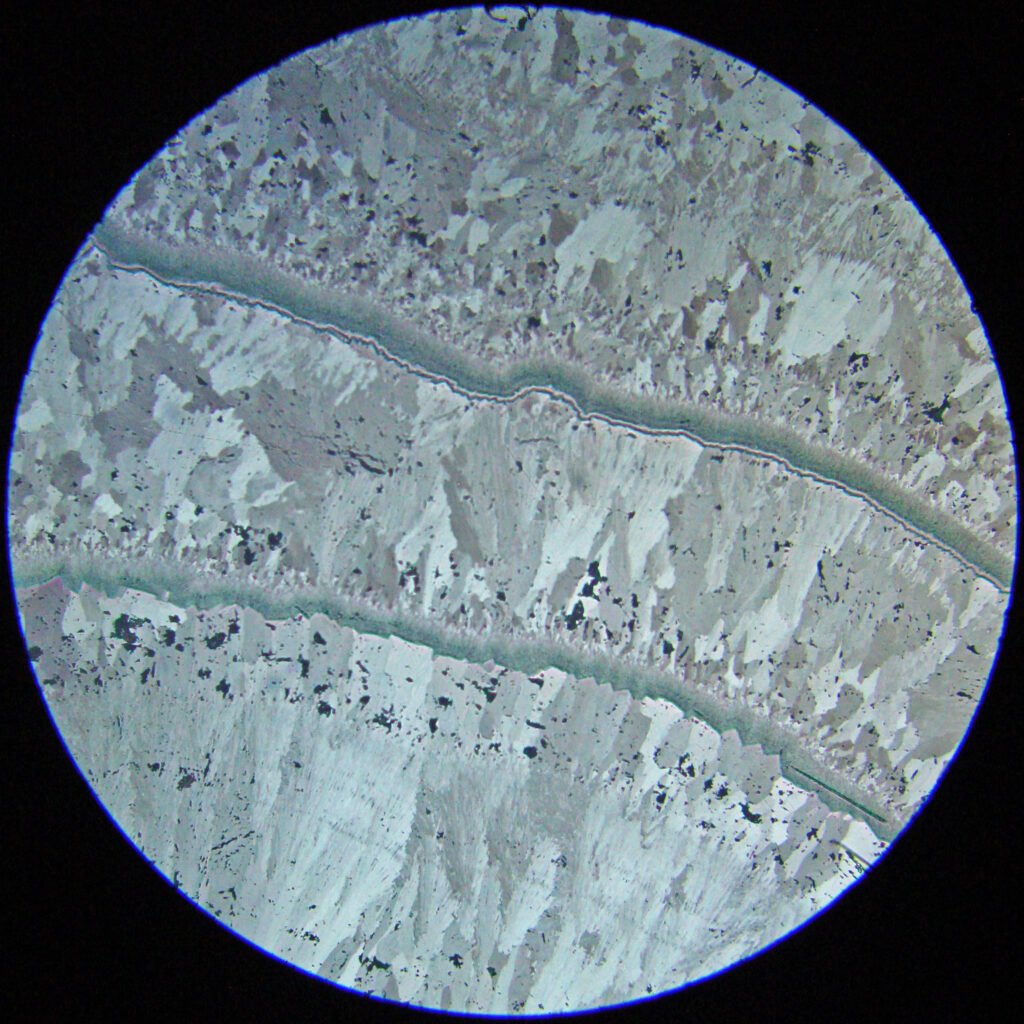
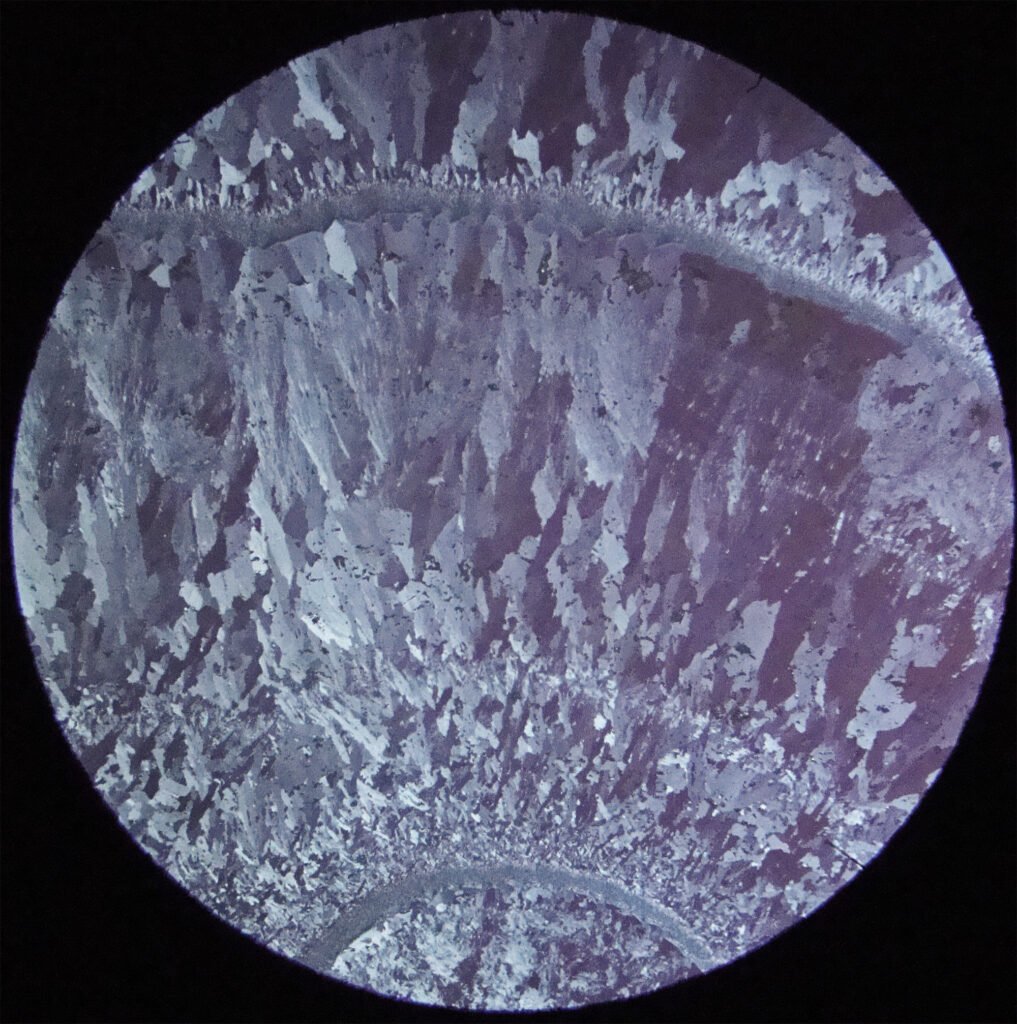
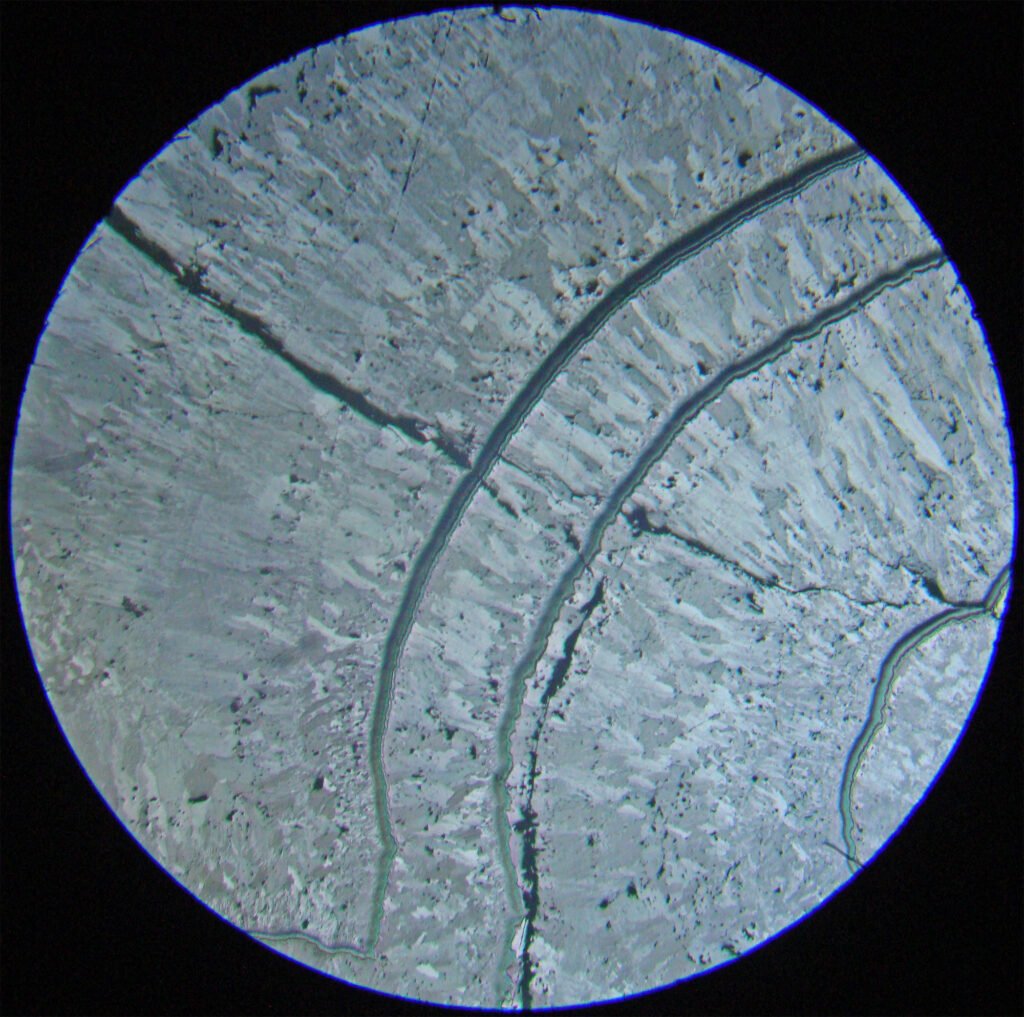
Habit: Massive, granular, botryoidal crusts with a fibrous structure. Microscopic curved lamellae. Laminated.
Cleavage: No.
Tenacity: No information available.
Twinning: No.
Fracture: No information available.
Mohs Hardness: 4.5 – 5
Parting: No.
Streak: Blackish brown.
Lustre: Metallic, sub-metallic, dull, earthy.
Diaphaneity: Opaque.
Density (g/cm³): 5.25 – 5.5
2. Geology and Deposits
Coronadite forms in hydrothermal veins.
It also forms as a product of the alteration of Mn-containing rocks, integrating into the assemblage of secondary minerals in oxidation zones.
It occurs in layered sedimentary deposits.
Coronadite also occurs in hot springs.
3. Mineral Associations
It is associated with common gangue minerals such as quartz.
Of course, it also occurs with other Mn minerals such as hollandite, psilomelane, pyrolusite, and wad.
As an alteration product, it is part of the typical minerals of oxidation zones in polymetallic deposits, such as goethite, smithsonite, wulfenite, cerussite, chalcophanite, vanadinite, kaolinite, mottramite, malachite, chlorargyrite-Cr, plumbogummite, and pyromorphite.
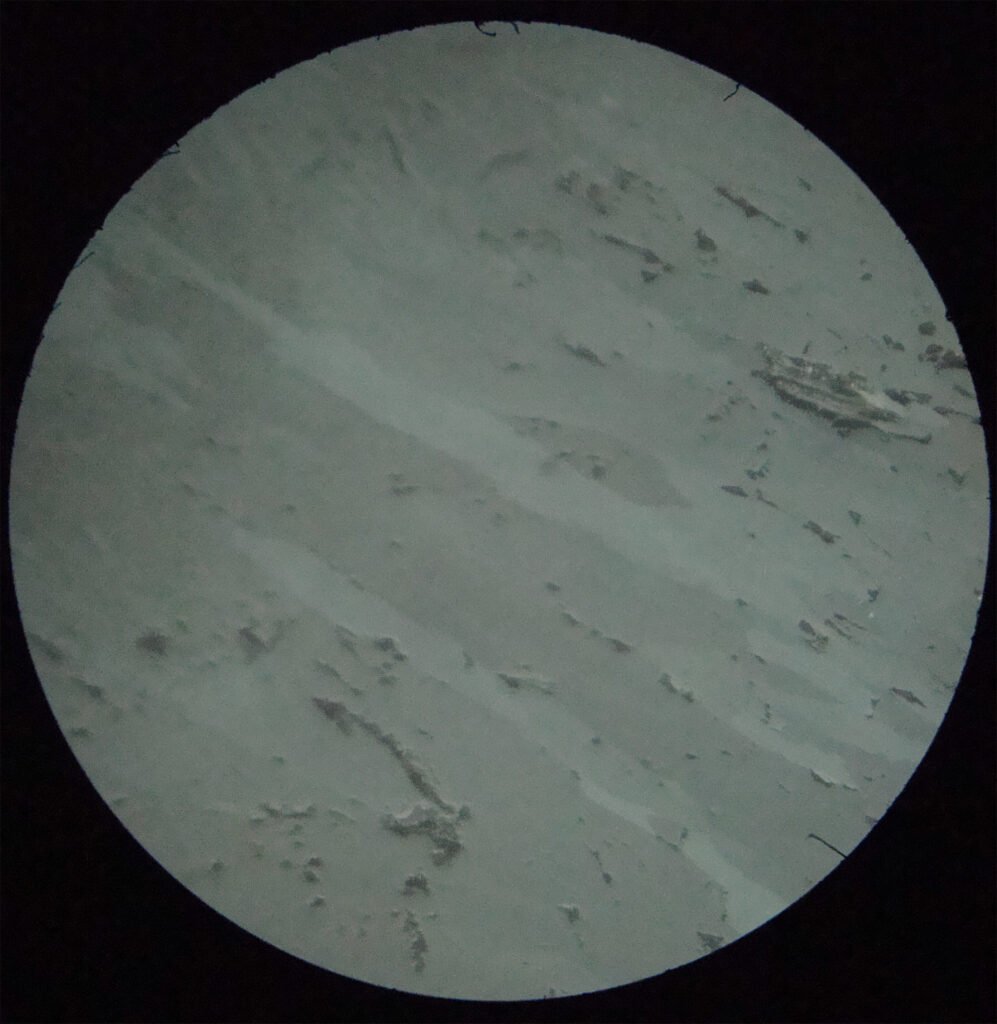
4. Transmitted Light Microscopy
The literature indicates that coronadite is biaxial.