1. Characteristics
Crystal system: Orthorhombic bipyramidal.
Color: Gray-green.
Habit: Long prismatic shape, which gave rise to the name.
Cleavage: {110} perfect.
Tenacity: Brittle.
Twinning: No information available.
Fracture: No information available.
Mohs Hardness: 6.5 – 7
Parting: No information available.
Streak: No information available.
Lustre: Vitreous.
Diaphaneity: Transparent.
Density (g/cm³): 3.34
2. Geology and Deposits
The mineral was discovered in an outcrop of hydrothermally altered granulite, located behind the railway station of Waldheim, a small town in Middle Saxony, Germany.
It represents the granulite facies metamorphism of boron-rich pelitic (clayey) sediments.
3. Mineral Associations
It occurs associated with quartz, plagioclase (oligoclase),
micas (biotite, muscovite (sericite) and chlorite),
minerals of the Al2SiO5 Group (kyanite, sillimanite and andalusite),
garnet (almandine), rutile, corundum (ruby), tourmaline, dumortierite, sapphirine.
4. Transmitted Light Microscopy
Refraction indices: nα: 1.669 – 1.671 nβ: 1.681 – 1.683 nγ: 1.682 – 1.684
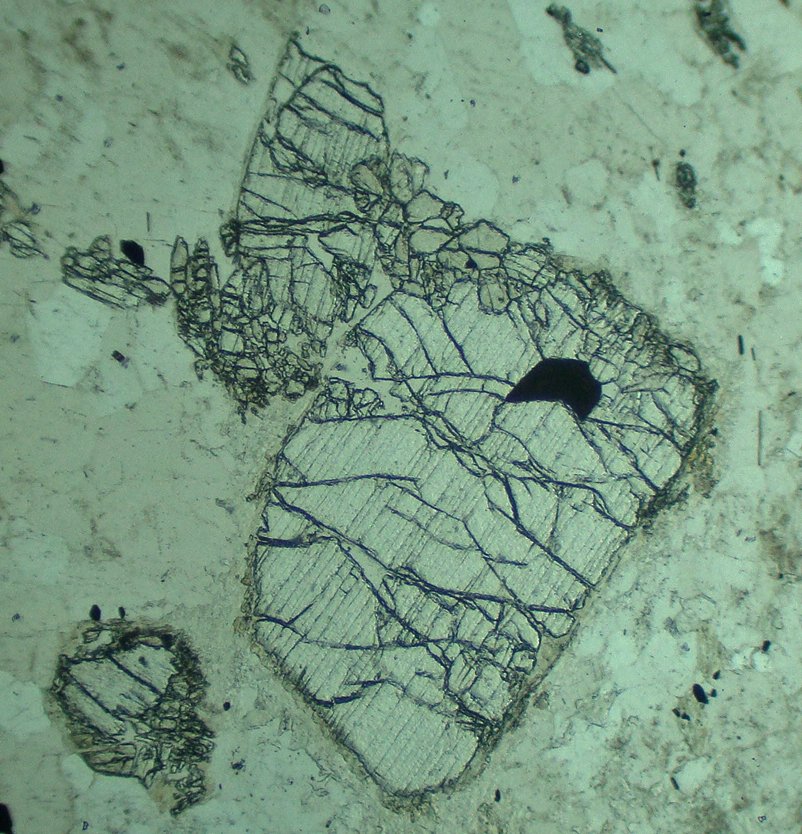
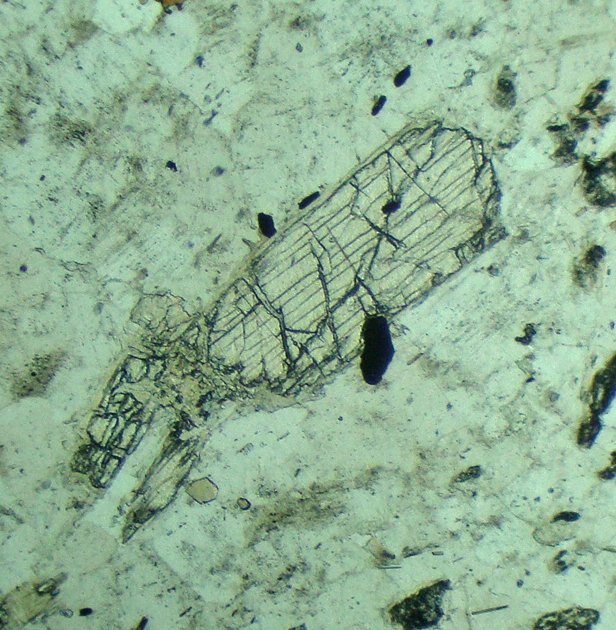
PLANE POLARIZED LIGHT – PPL
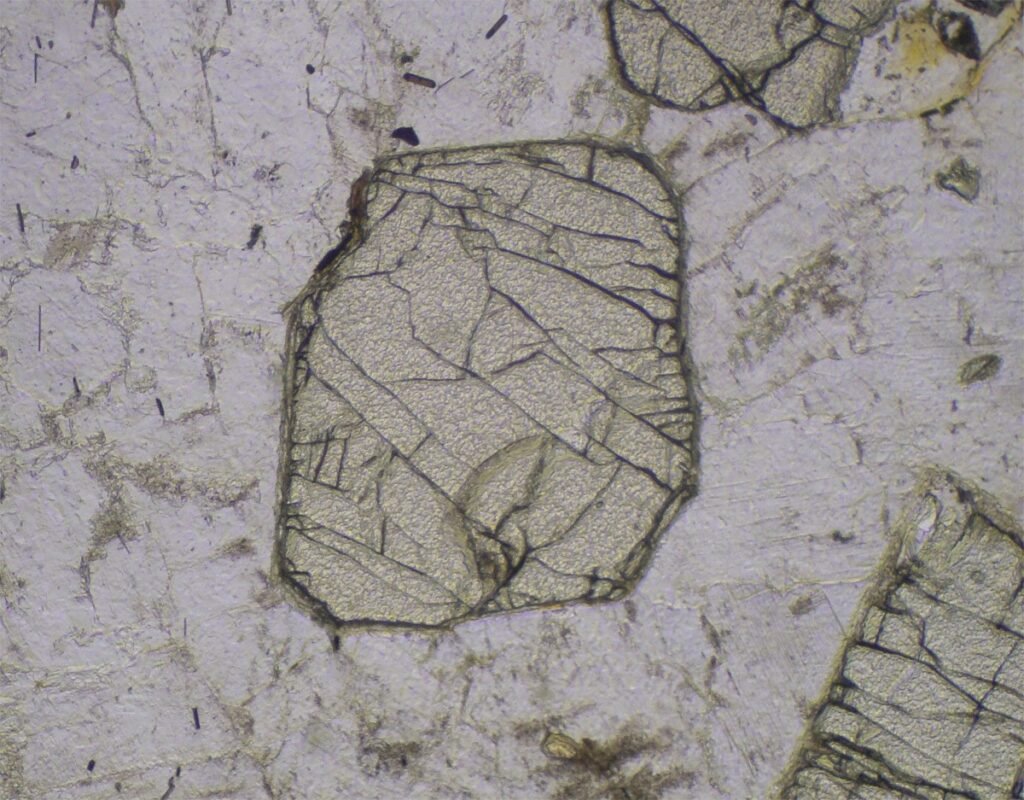
Color / Pleochroism: Colorless.
Relief: High.
Cleavage: {110} perfect.
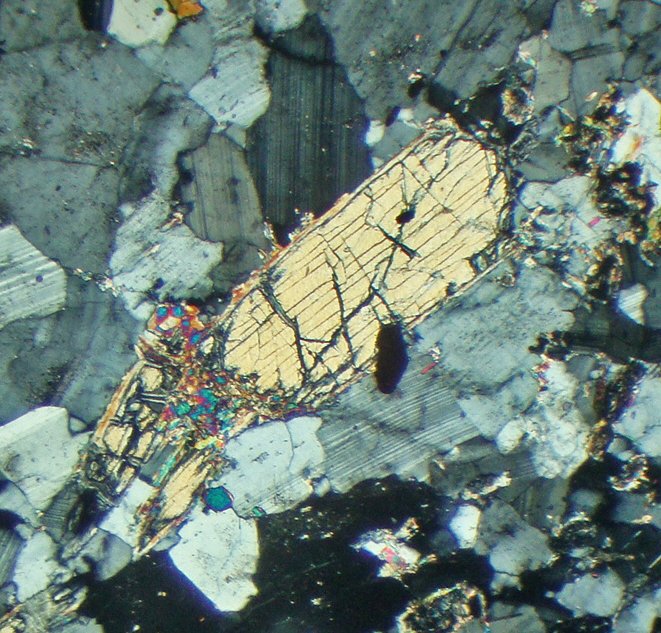
Habits: Long prismatic.
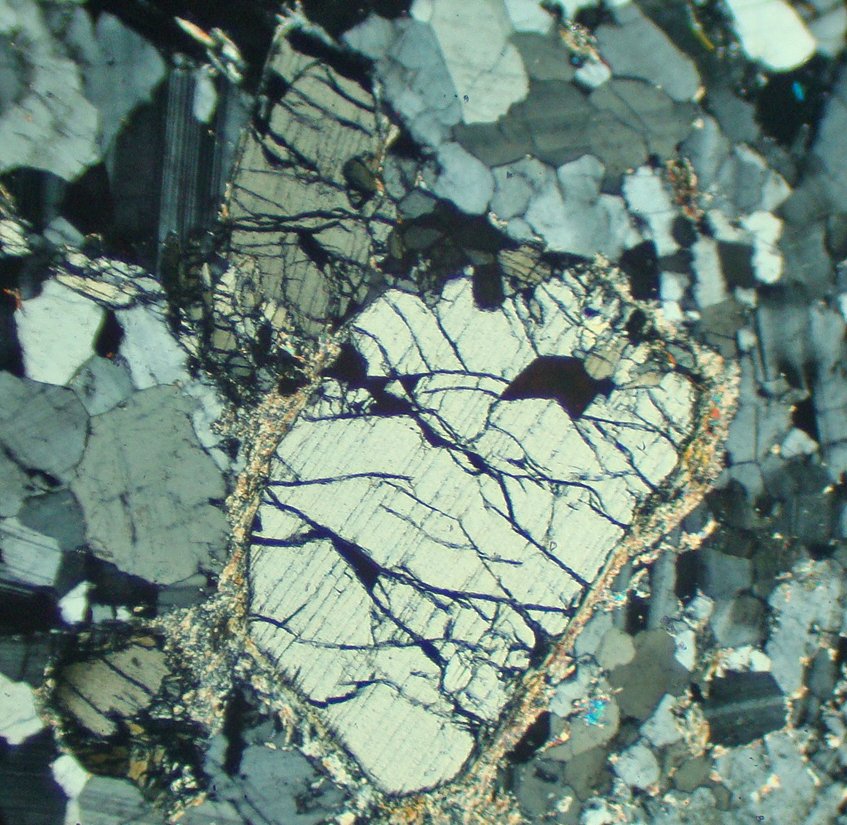
CROSSED POLARIZED LIGHT – XPL
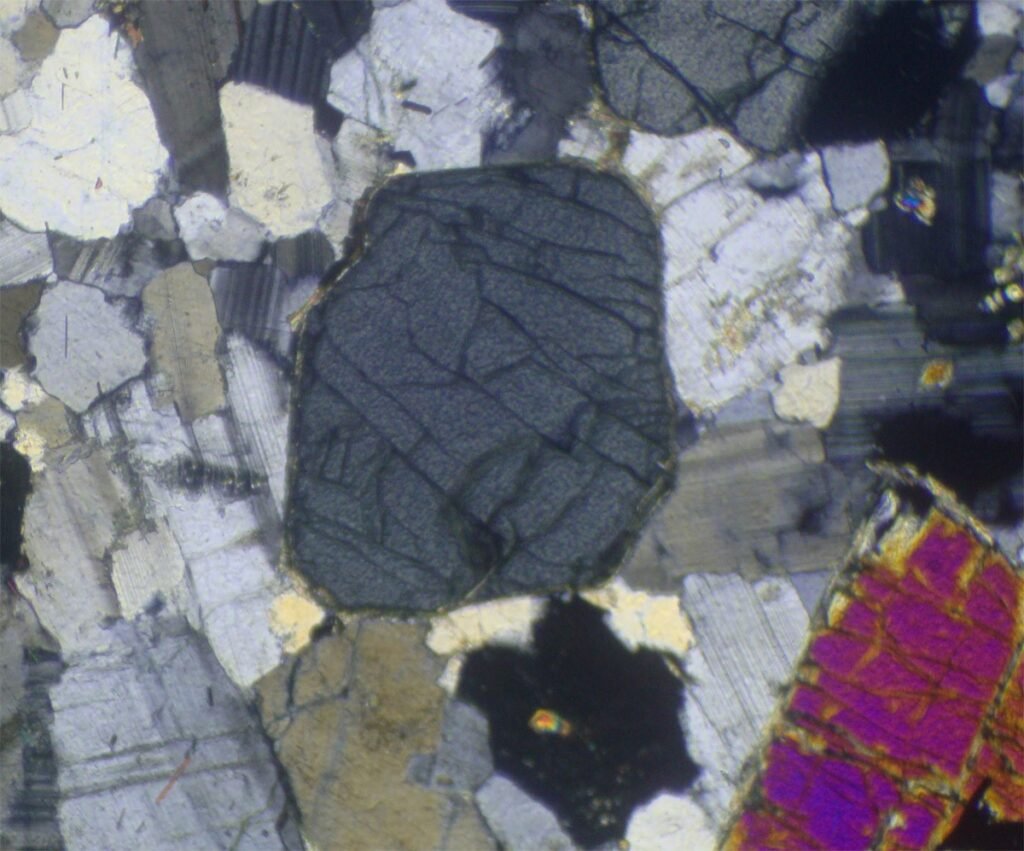
Birefringence and Interference Colors: Maximum birefringence of 0.013, corresponding to colors up to first-order yellow, orange, and red.
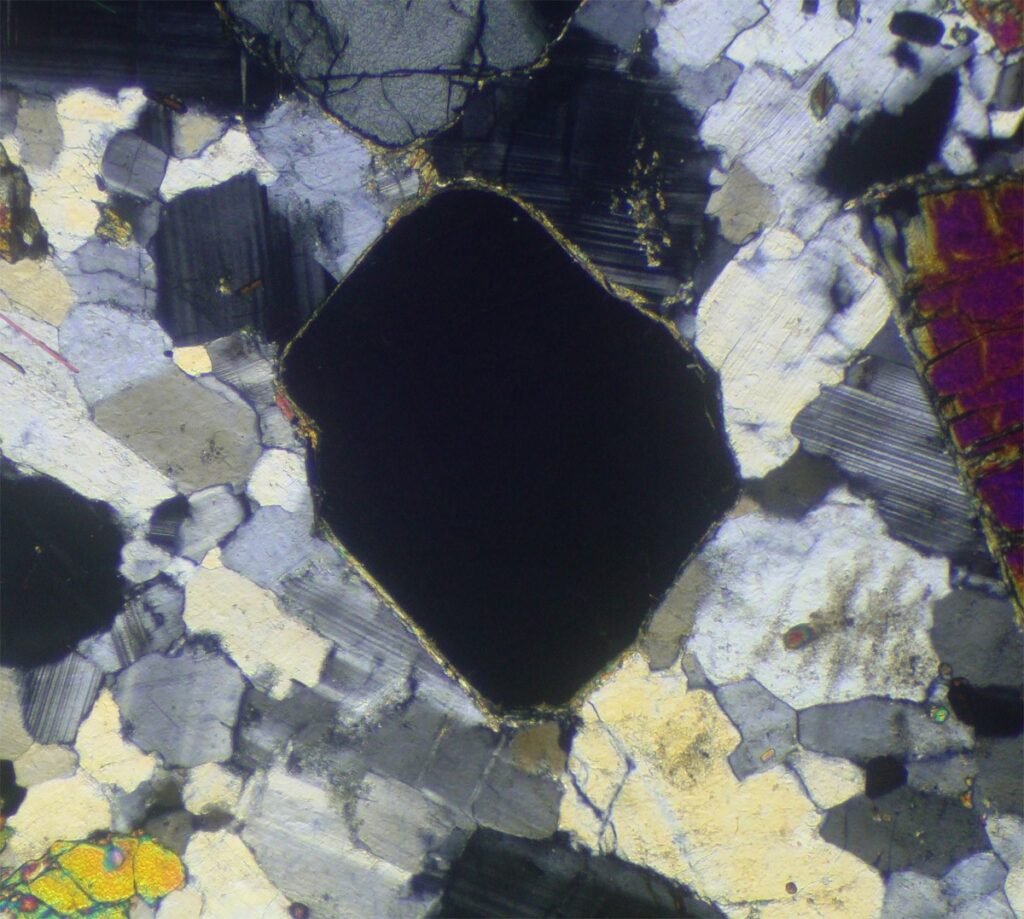
Extinction: Parallel, symmetrical in the basal sections.
Elongation sign: ES(-)
Twins: No.
Zoning: No.
CONVERGENT LIGHT
Character: B(-)
2V angle: 28-38º
Alterations: No information available.
May be confused with: In the paragenesis of the type locality, there are five different minerals that are similar to each other.
Corundum has no cleavage and is uniaxial.
Sillimanite has more intense interference colors and is ES(+).
Andalusite has different habits.
Kyanite has oblique extinction and is ES(+).
Kornerupine is extremely similar, but may exhibit pleochroism.