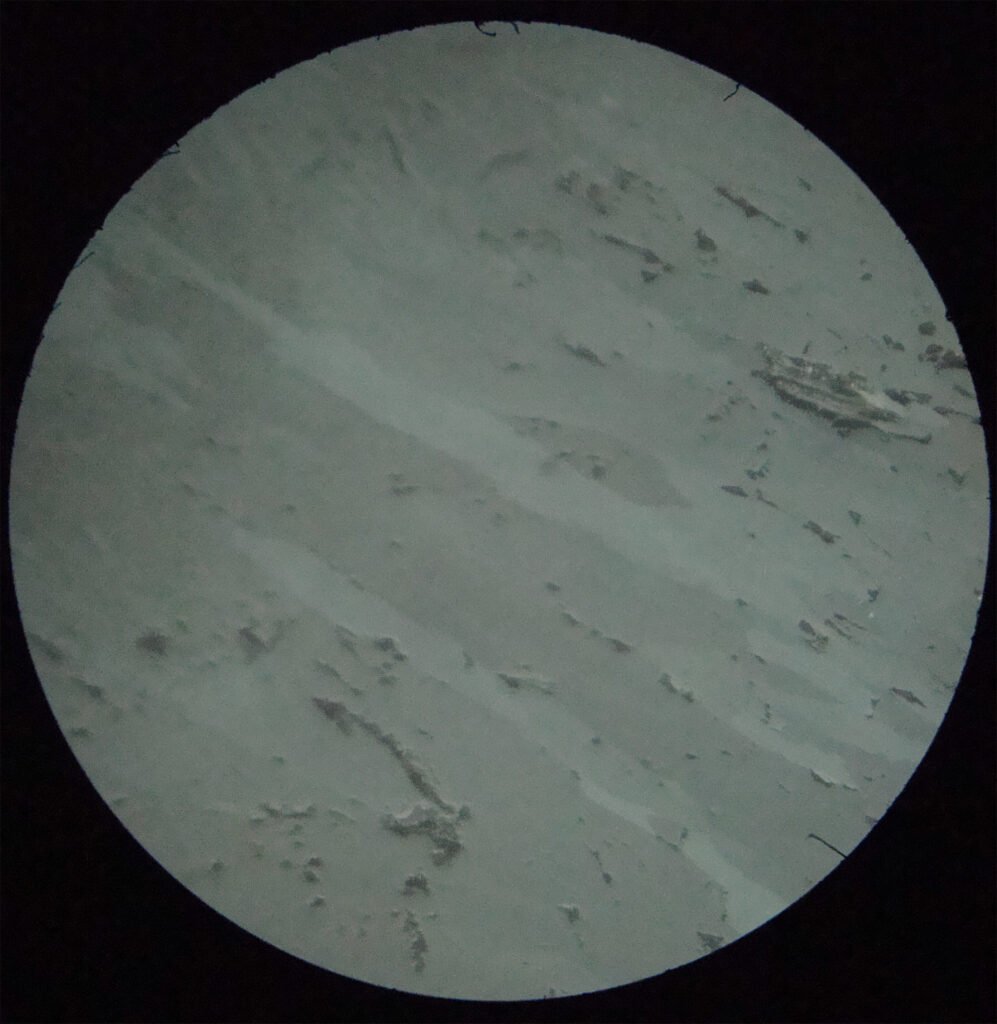
CORONADITE

Coronadite – Pb(Mn4+6Mn3+2)O16 – is a common manganese oxide, but rarer than other Mn oxides. It is a minor component of Mn ores.

It is classified in the Coronadite Group, in the Hollandite Supergroup. It may contain Al, Fe, and H2O.

Conclusive identification of many Mn oxides is obtained only or preferably with X-ray Diffraction or Infrared Spectroscopy.

1. Characteristics

Crystal system: Monoclinic prismatic.          

Color: Dark gray to black.  

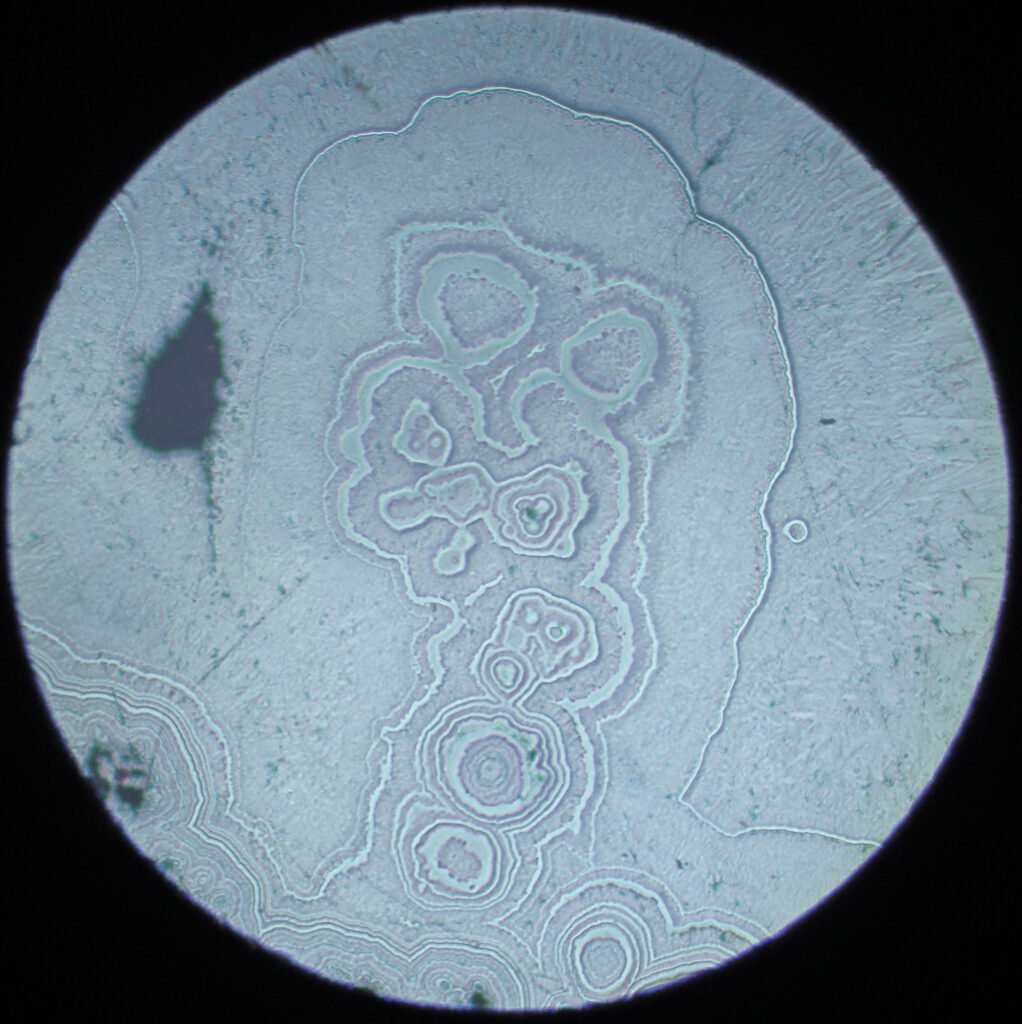
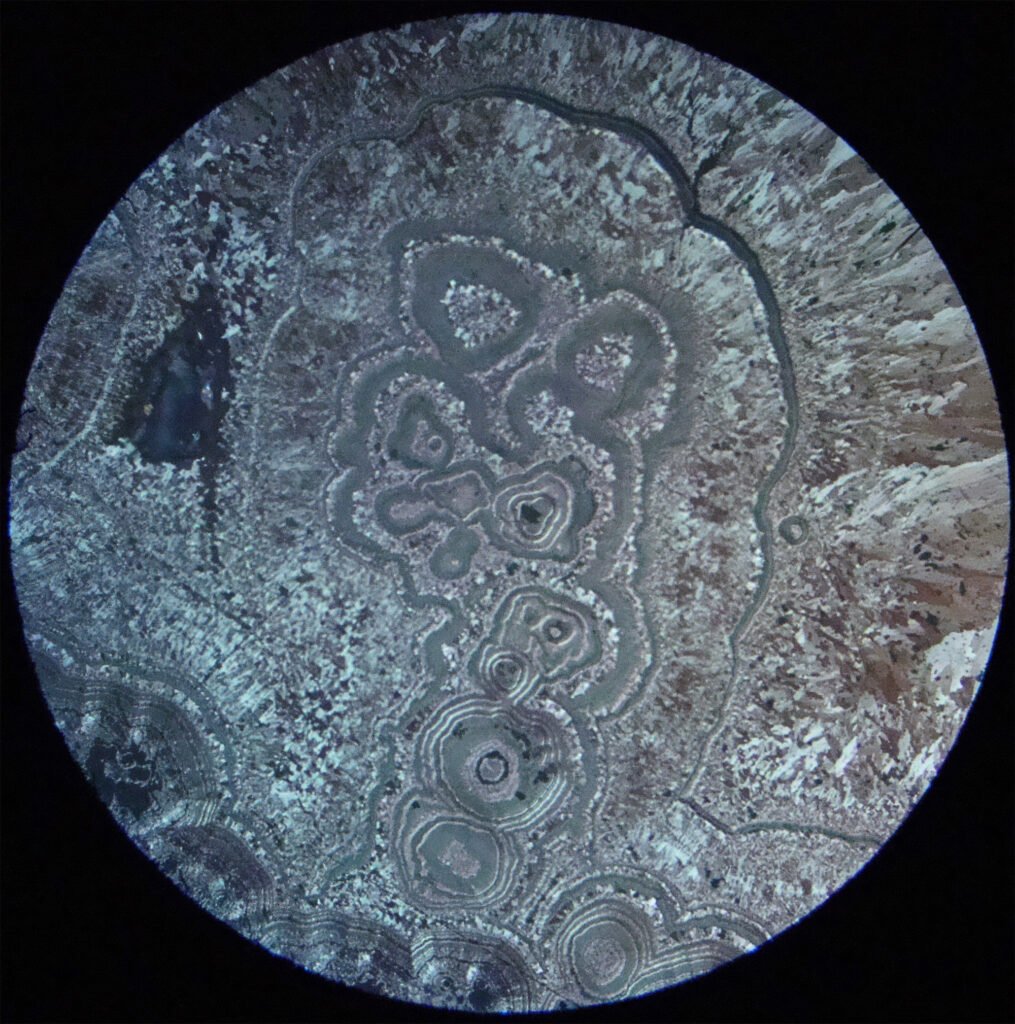
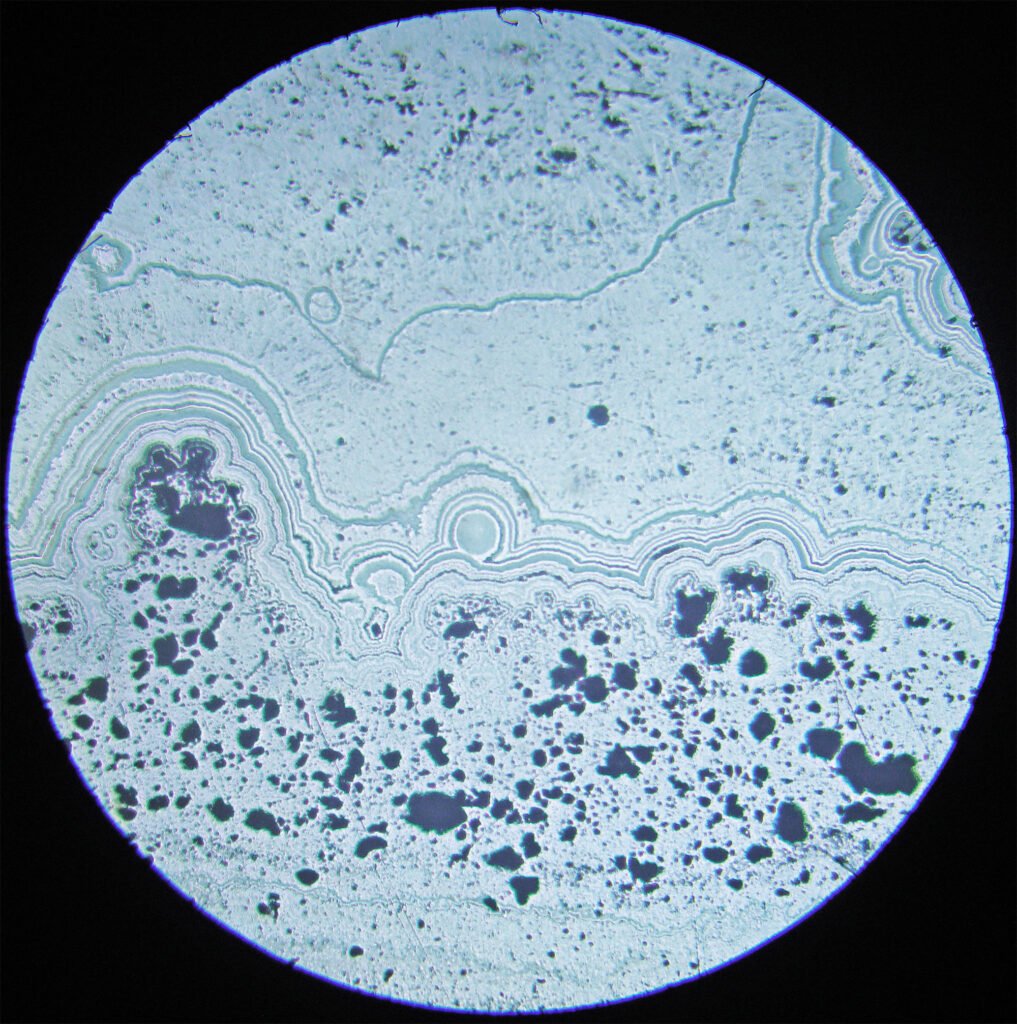
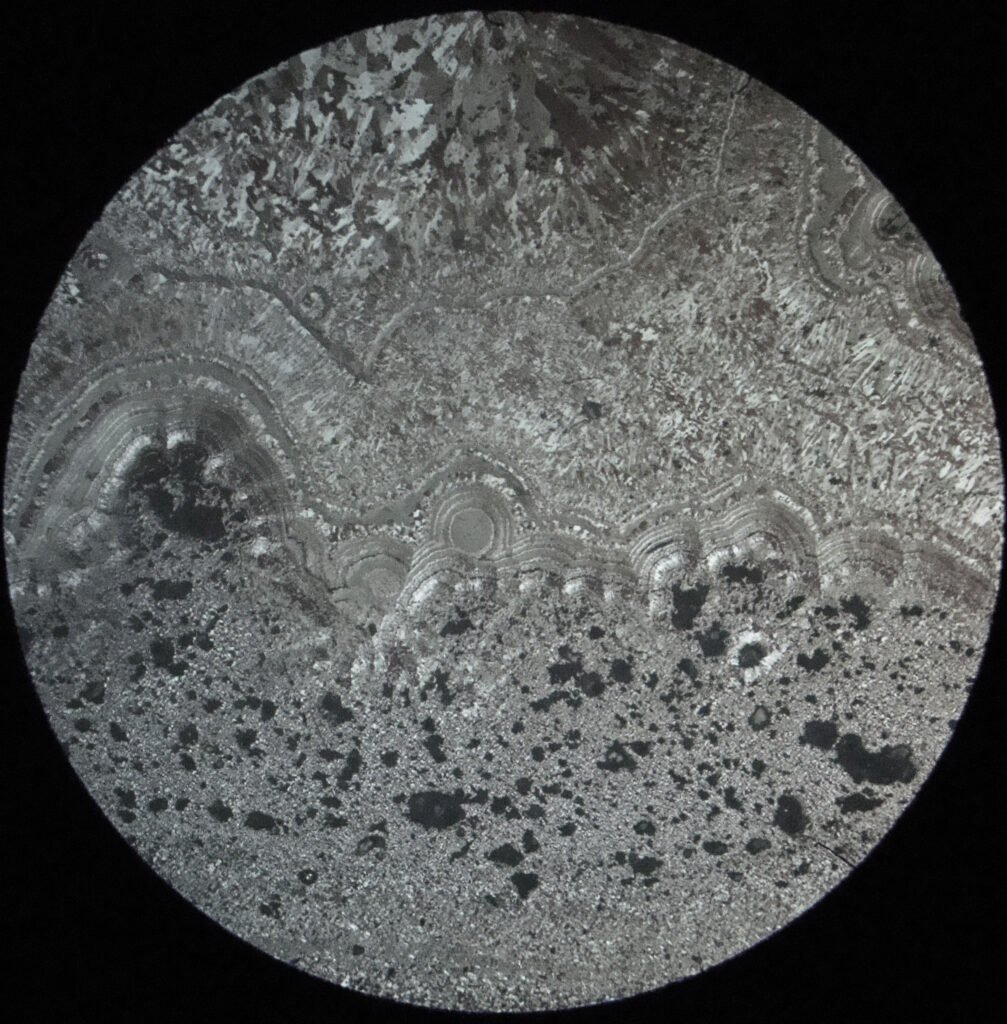
Habit: Massive, granular, botryoidal crusts with a fibrous structure. Microscopic curved lamellae. Laminated. 

Cleavage:  No.  

Tenacity: No information available. 

Twinning: No. 

Fracture: No information available. 

Mohs Hardness: 4.5 – 5

Parting: No.

Streak: Blackish brown.

Lustre: Metallic, sub-metallic, dull, earthy. 

Diaphaneity:  Opaque.  

Density (g/cm³): 5.25 – 5.5


2. Geology and Deposits

Coronadite forms in hydrothermal veins.

It also forms as a product of the alteration of Mn-containing rocks, integrating into the assemblage of secondary minerals in oxidation zones.

It occurs in layered sedimentary deposits.

Coronadite also occurs in hot springs.


3. Mineral Associations

It is associated with common gangue minerals such as quartz.

Of course, it also occurs with other Mn minerals such as hollandite, psilomelane, pyrolusite, and wad.

As an alteration product, it is part of the typical minerals of oxidation zones in polymetallic deposits, such as goethite, smithsonite, wulfenite, cerussite, chalcophanite, vanadinite, kaolinite, mottramite, malachite, chlorargyrite-Cr, plumbogummite, and pyromorphite.


4. Transmitted Light Microscopy

The literature indicates that coronadite is biaxial.

5. Reflected Light Microscopy

Sample preparation: Its hardness upon polishing is greater than that of manganite.

PLANE POLARIZED LIGHT – PPL

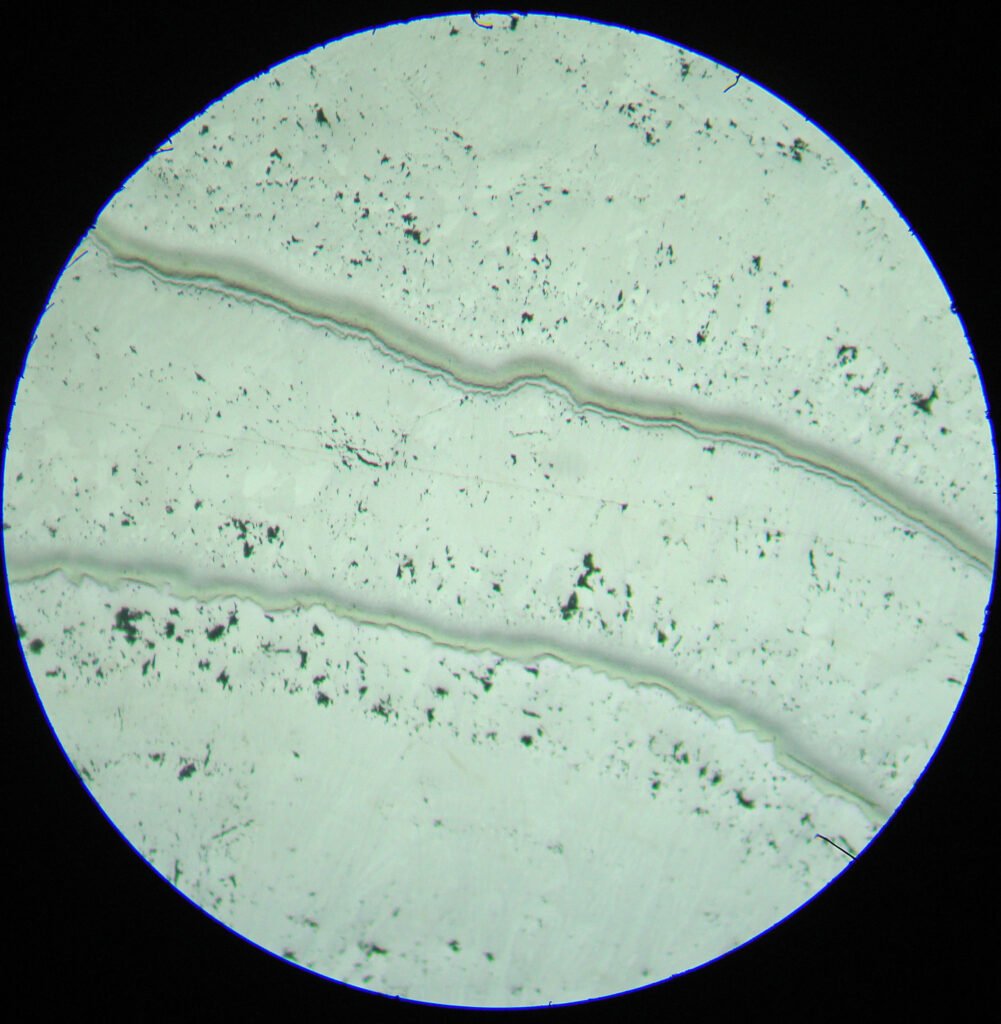
Reflection color: White to grayish-white, sometimes identical to galena.      

Pleochroism: Strong, somewhere between dark brown and gray.

Reflectivity: ~35%        

Bireflectance: Distinct.       

CROSSED POLARIZED LIGHT – XPL

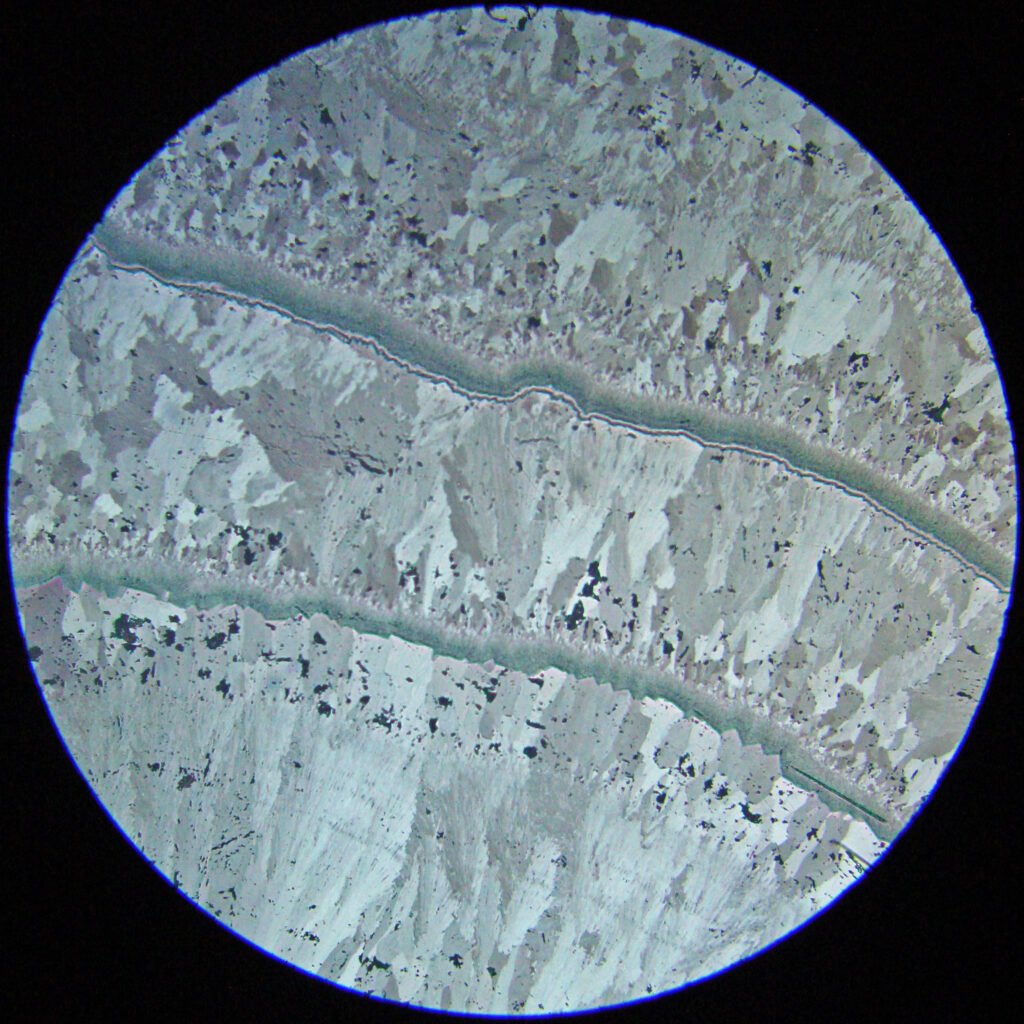
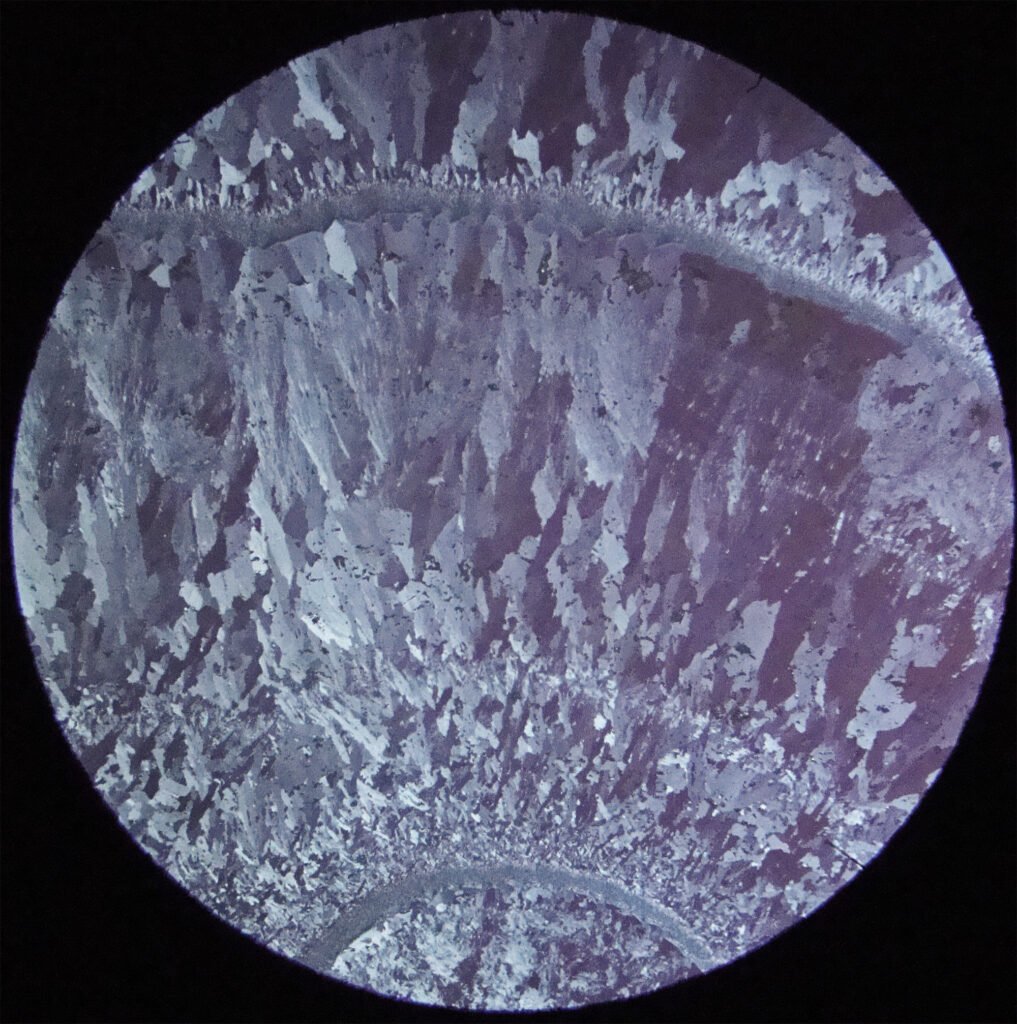
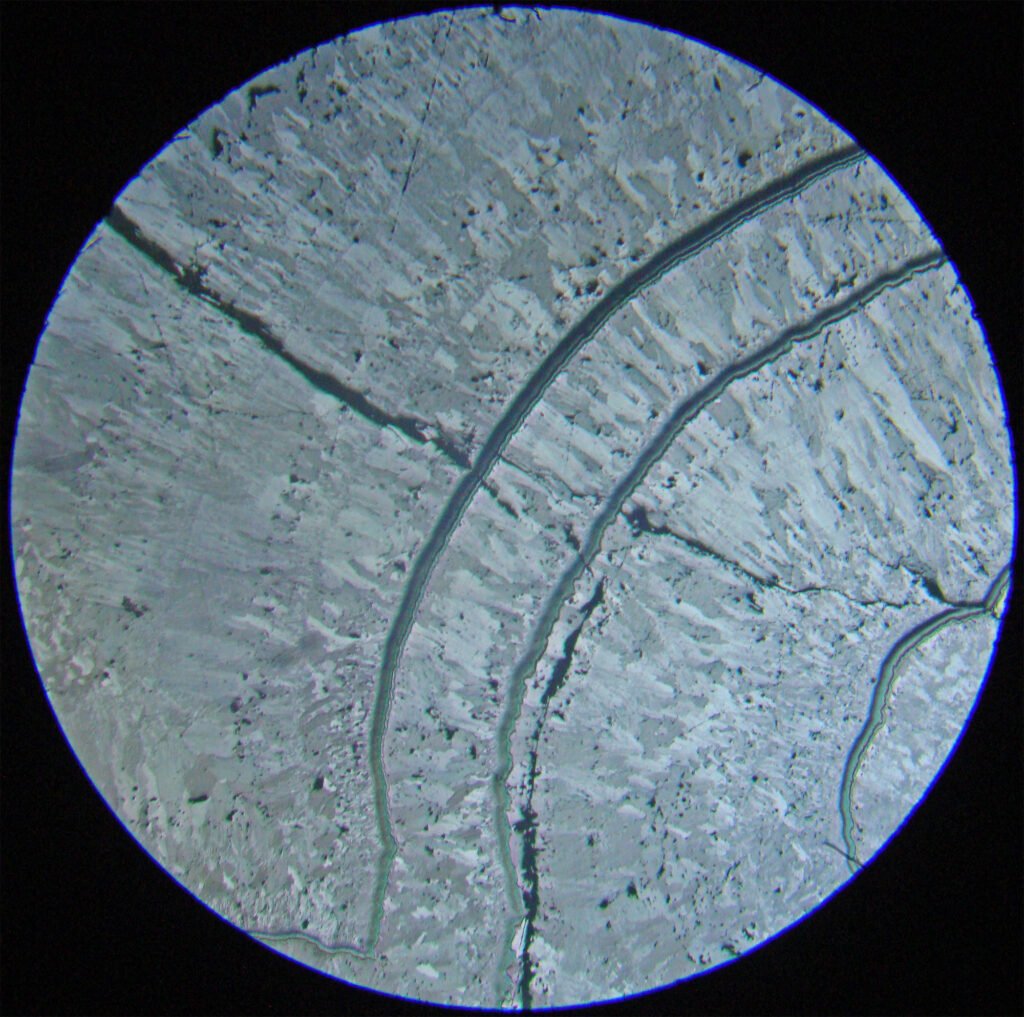
Isotropy / Anisotropy: Strong anisotropy between white, dark gray, and dark brown. Parallel extinction, with isotropic basal sections. 

Internal reflections: No.      

May be confused with: Other Mn oxides.       

General Characteristics: 

Grain shape: Coronadite forms botryoidal, irregular, cellular, lamellar, or fibrous masses, and can be granular. It can form concentric zones, alternating between fibrous zones and gel-like zones, which are isotropic. It probably occurs as isolated crystals with an extremely acicular habit.

Twins: spearhead-shaped twins may occur.

Substitutions: coronadite replaces manganite.