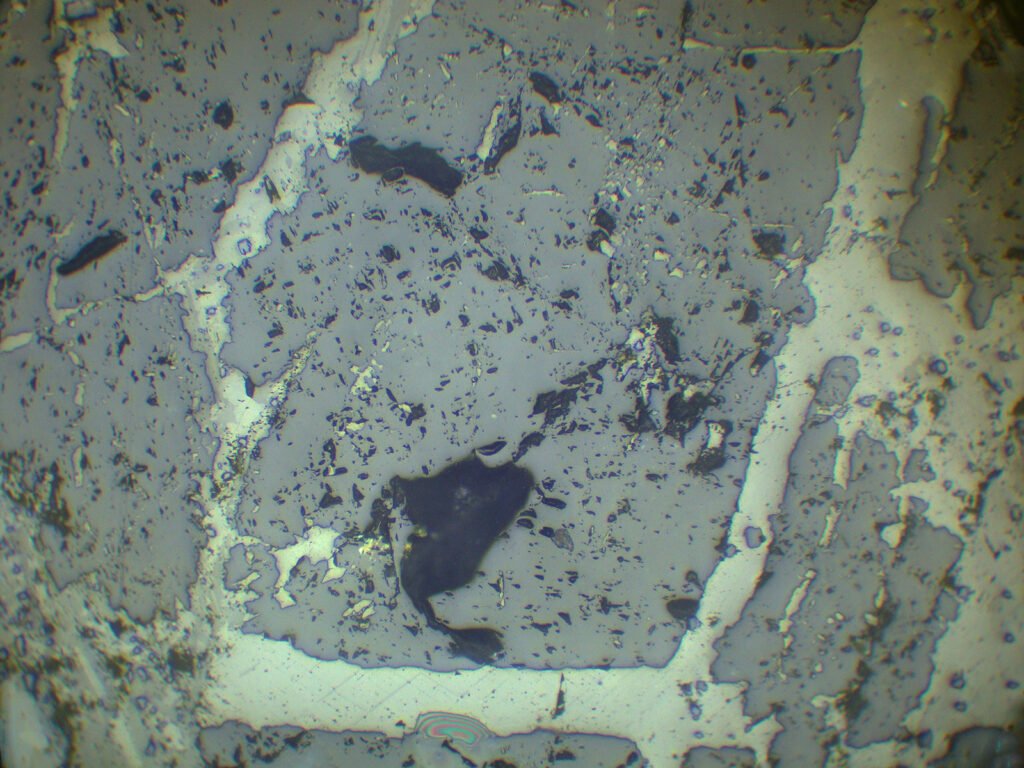
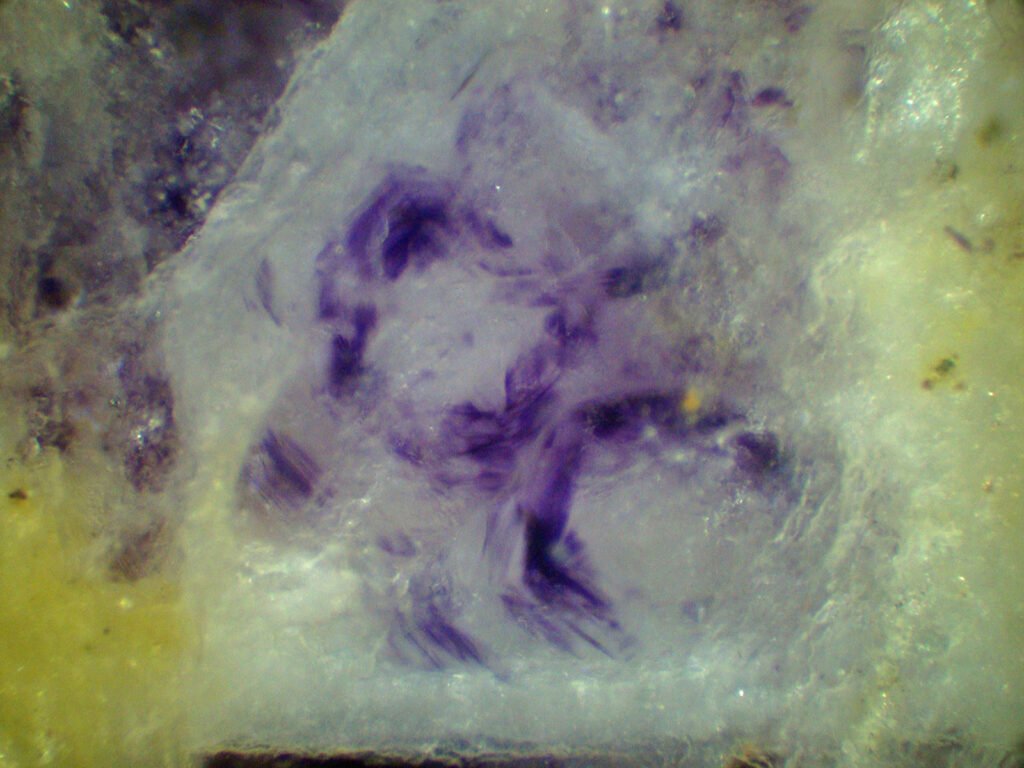
1. Characteristics
Crystal system: Cubic hexaoctaedrical.
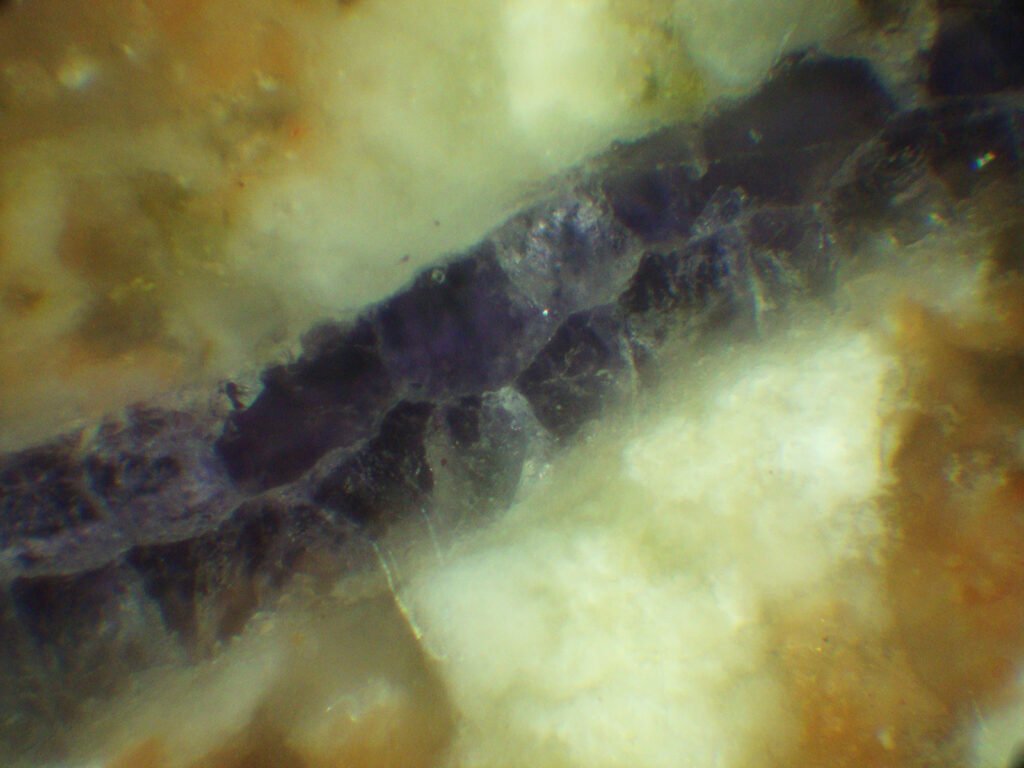
Color: Anything from colorless to black. Often zoned.
Habit: Cubes, octahedra, combined forms, nodular, botrioidal, massive, granular, rarely columnar or fibrous.
Cleavage: {111} perfect (octahedral).
Tenacity: Brittle.
Twinning: Common in {111}, of interpenetration.
Fracture: Subconchoidal, irregular.
Mohs Hardness: 4
Parting: On {011}, of low quality.
Streak: White.
Lustre: Vitreous.
Diaphaneity: Transparent.
Density (g/cm³): 3.12 – 3.18. 3.56 if with REE.
2. Geology and Deposits
Fluorite is a common accessory mineral in granitic rocks in general and associated rocks such as greisens and pegmatites. Can occur filling fractures in these rocks. It also occurs in carbonatites, syenites, nepheline syenites, alkaline intrusions and ultrapotassic rocks. It can occur in marbles, quartzites and other metamorphic rocks.
Economic volumes occur in mineralized hydrothermal veins, from high to low temperature. It is found in cavities in sedimentary rocks and as cement in sandstones, as well as in hot spring deposits and in biogenic dolomites.
The occurrence of fluorite in granitic rocks is a problem, because the groundwater that circulates through the fractures of the granitic massif becomes enriched with fluorine. If these fractured aquifers are exploited, it is necessary to control the fluoride content to avoid health problems (fluorosis), especially in children and the elderly.
3. Mineral Associations
Fluorite occurs with quartz, feldspar (potassic and calc-sodic), mica (biotite, muscovite), carbonates (calcite, dolomite, rhodochrosite), sulfates (barite, celestine), sulfides (galena, sphalerite, pyrite, chalcopyrite), scheelite, apatite, cassiterite (in greisens), topaz, tourmaline and wolframite (in pegmatites).
4. Transmitted Light Microscopy
Refraction indices: n = 1,433 – 1,448
PLANE POLARIZED LIGHT – PPL
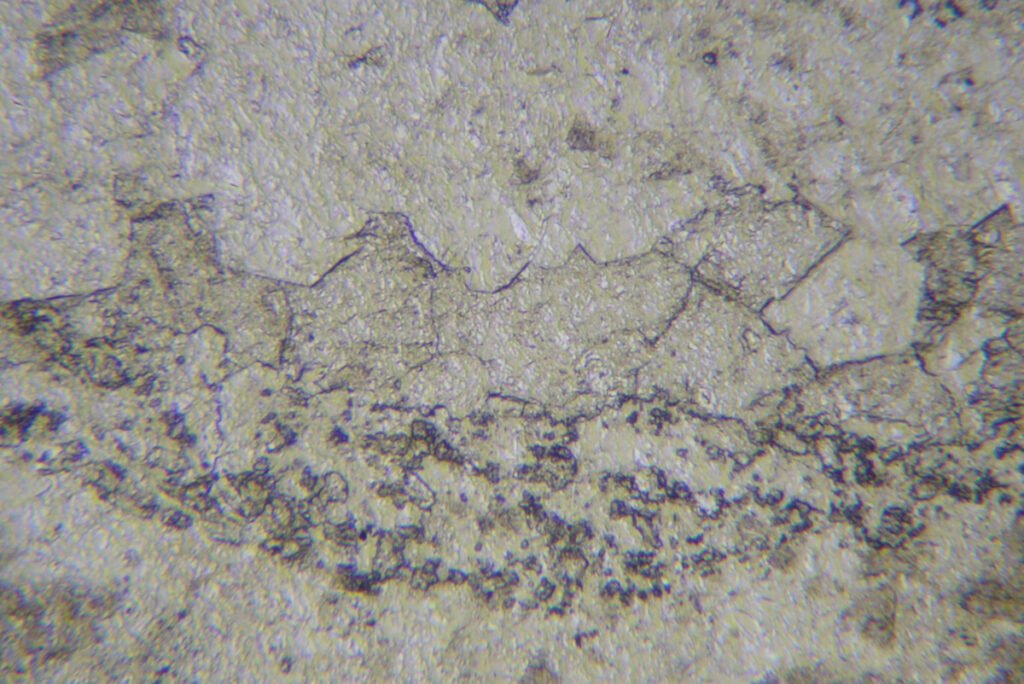
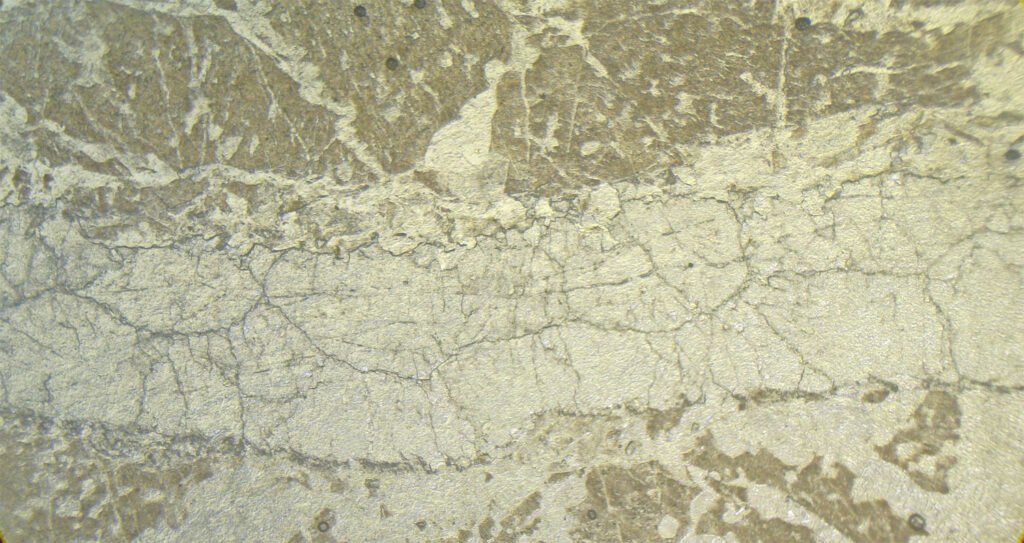
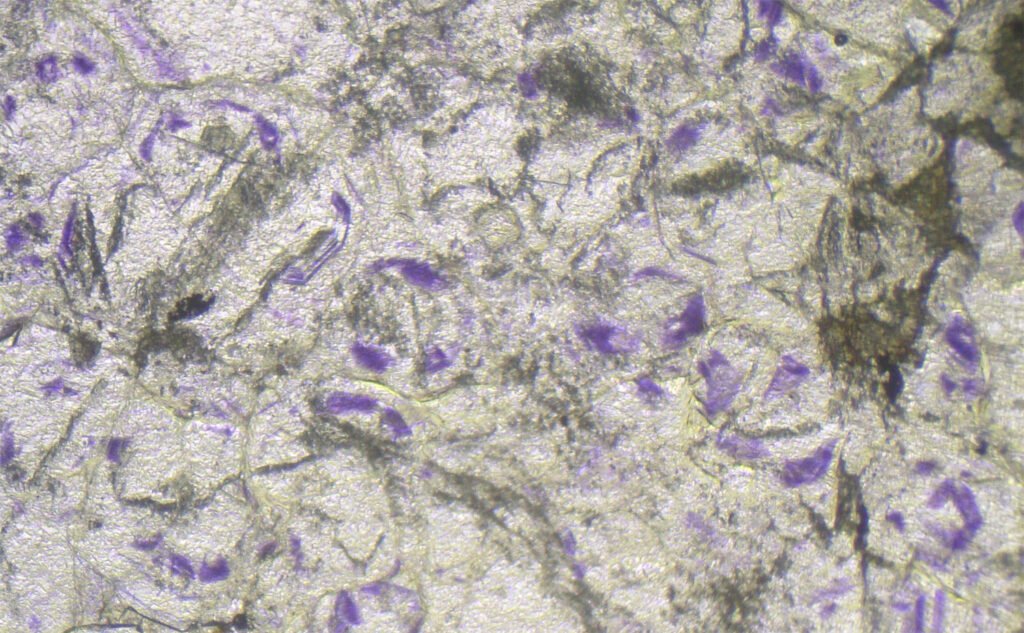
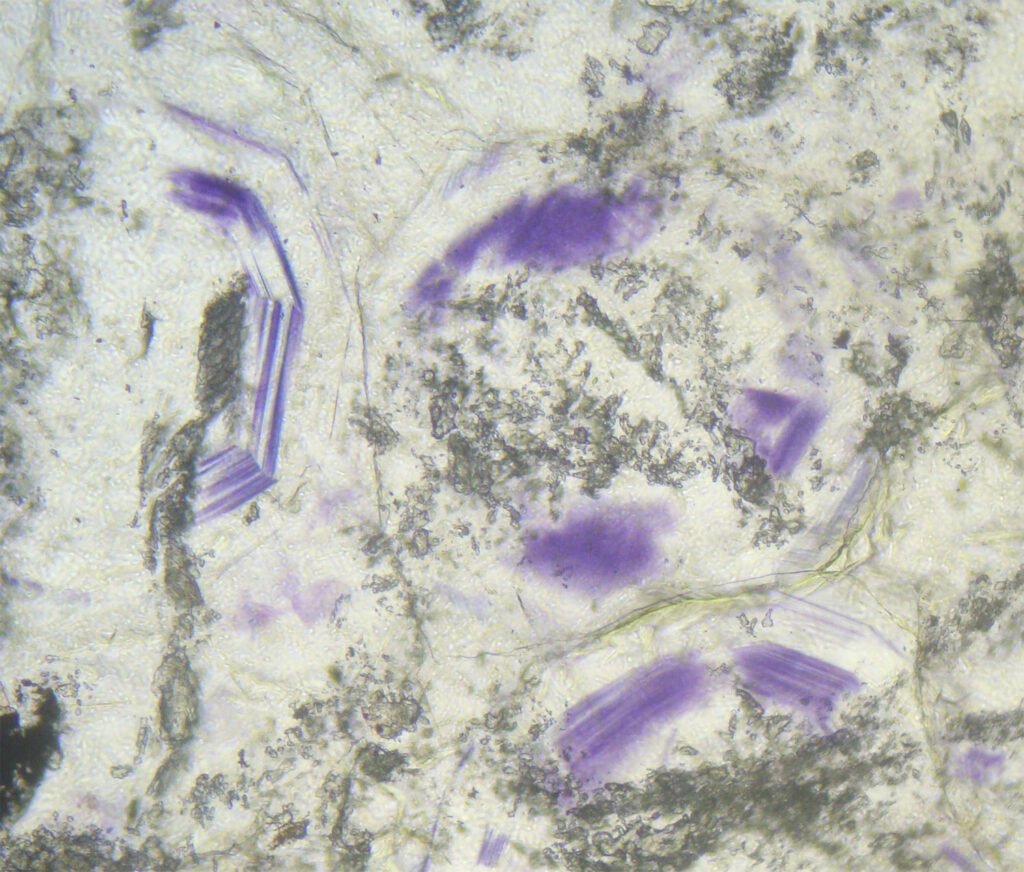
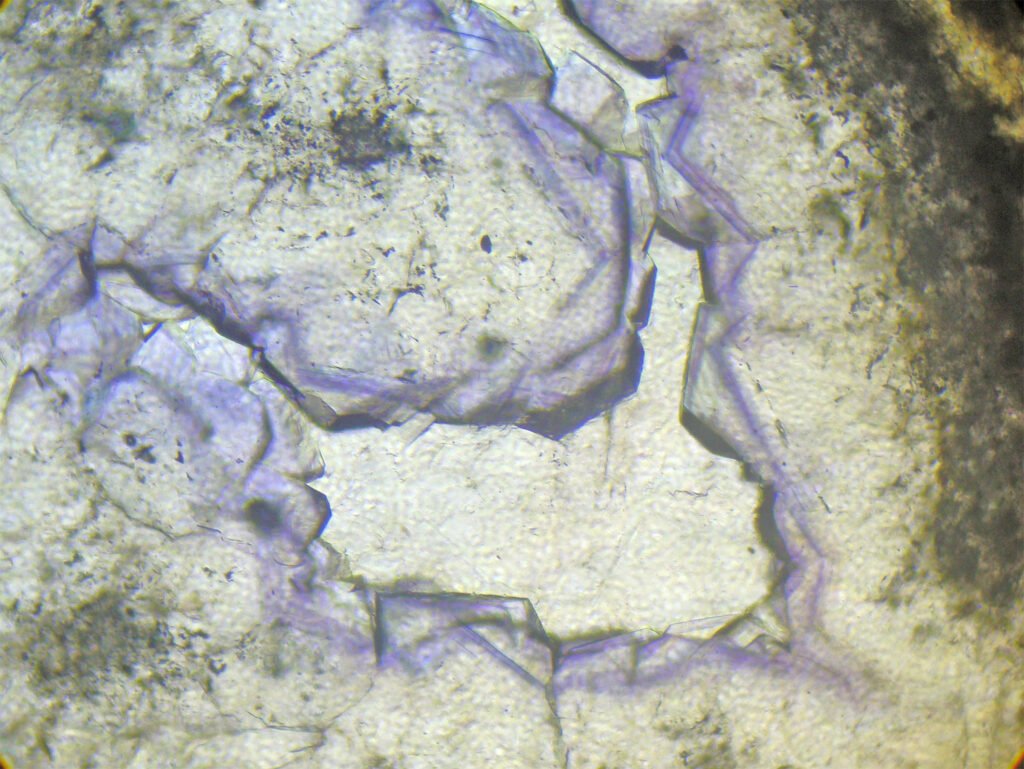
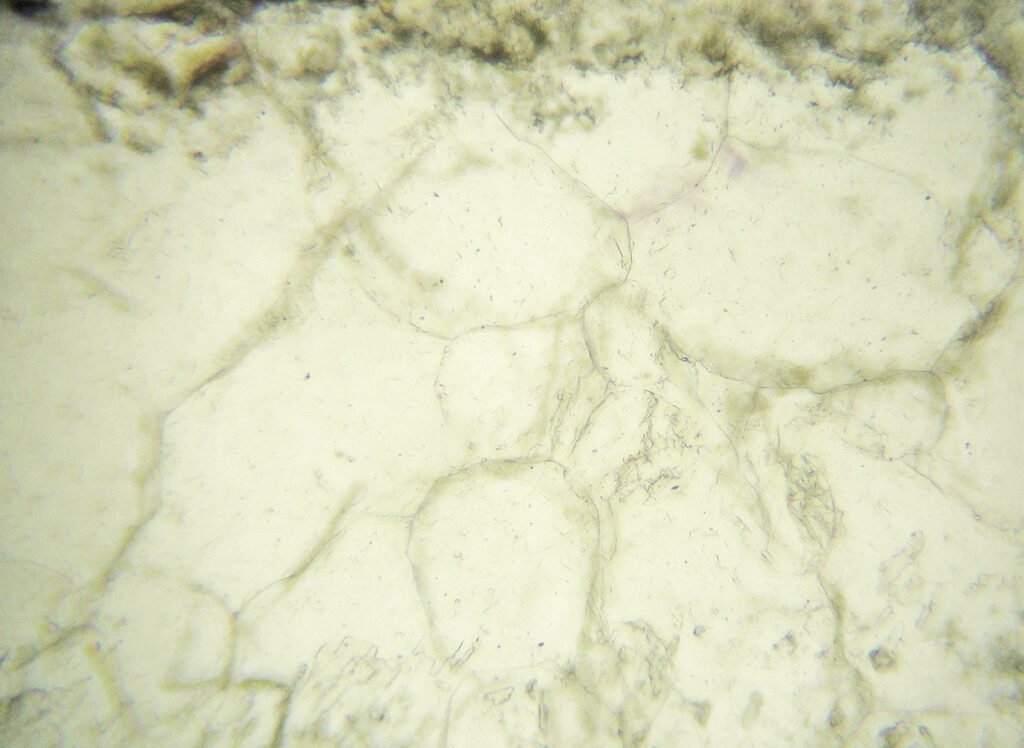
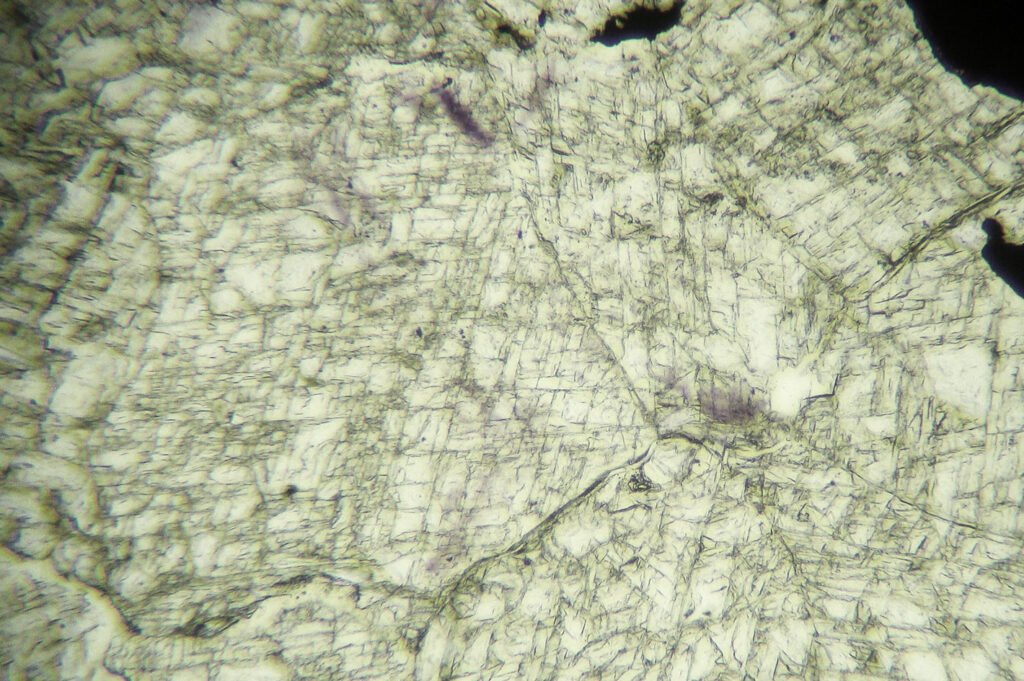
Color / Pleochroism: Colorless (colored in thick sections), rarely pale violet or pale green. It may be zoned (purple edges, for example) or with irregular color patches.
In purple fluorites, colored halos around radioactive inclusions are typical.
Relief: Moderate (or high negative, according to other sources).
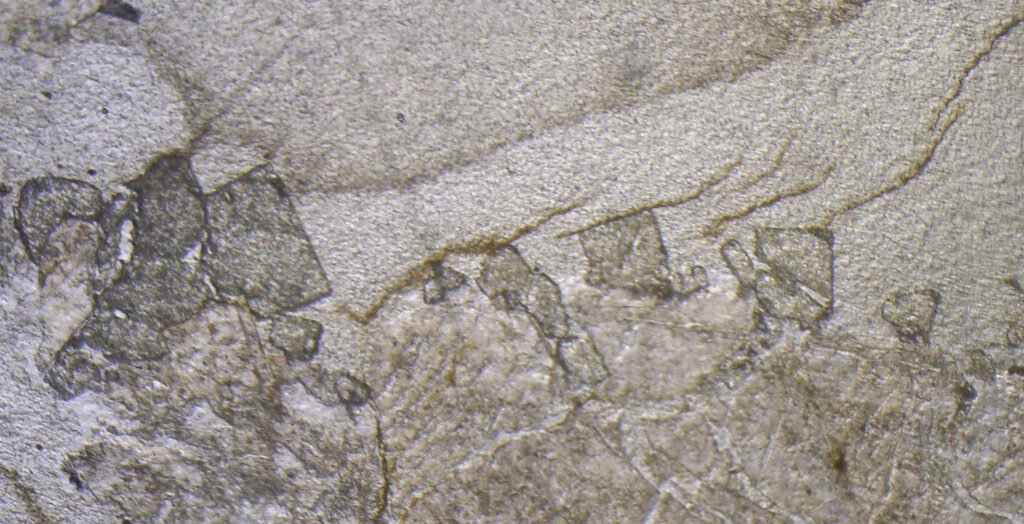
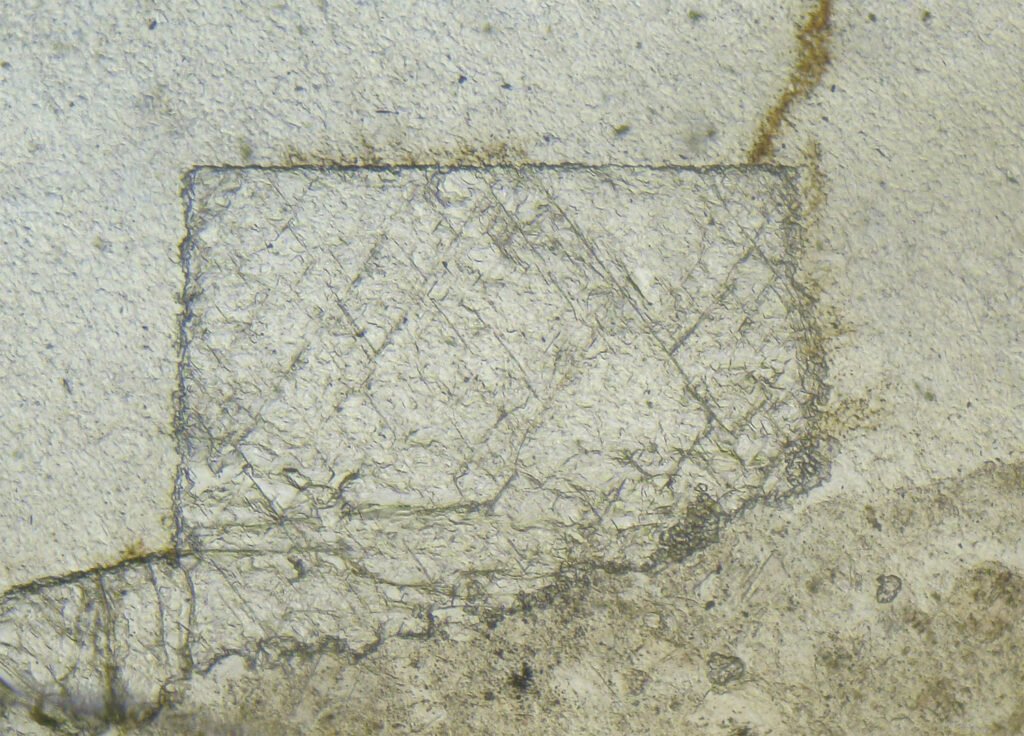
Cleavage: {111} perfect (octahedral – form triangles).
Cleavages intersect at angles of 70° and 110°, or as 3 lines intersecting at angles of 60° and 120°. If microcrystalline does not show cleavage!
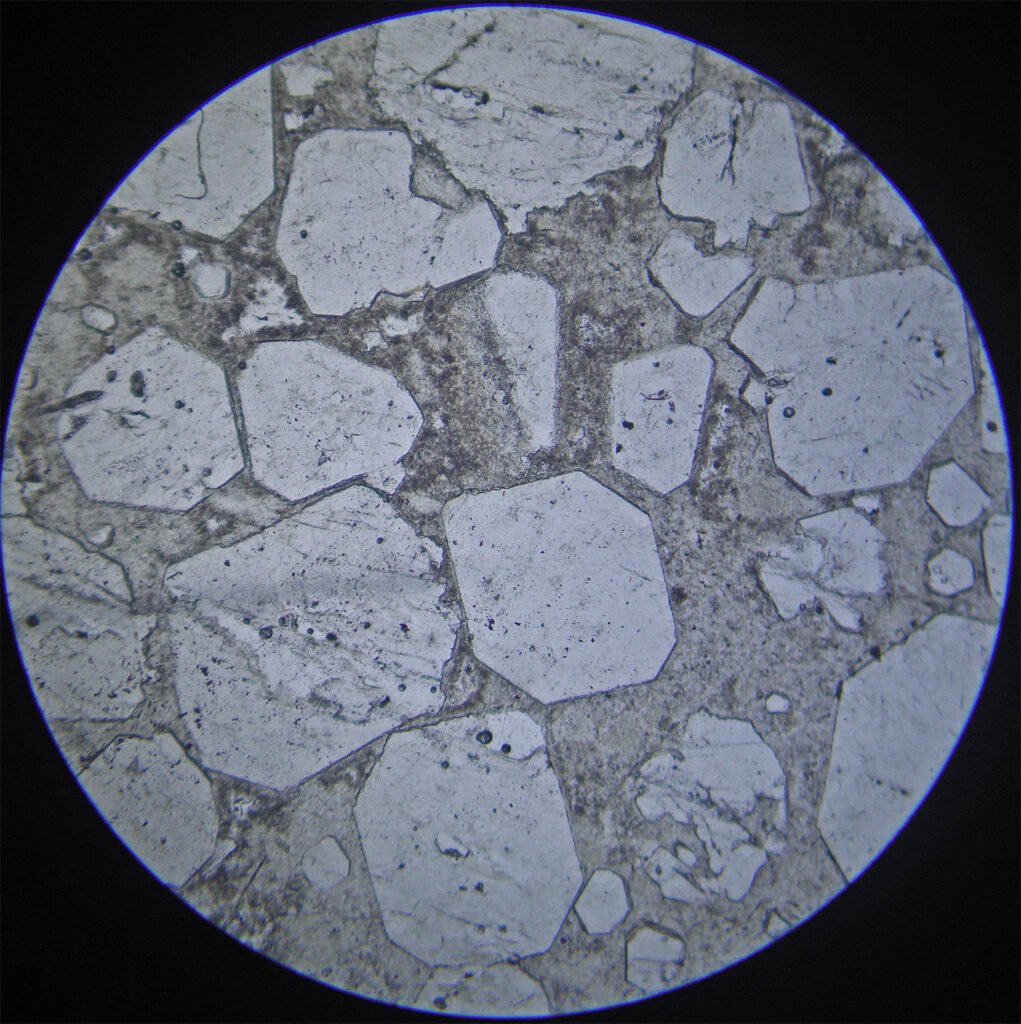
Habits: Usually anhedral, rarely cubic forms. Granular, 6-sided sections, as interstitial material between previously formed minerals.
CROSSED POLARIZED LIGHT – XPL
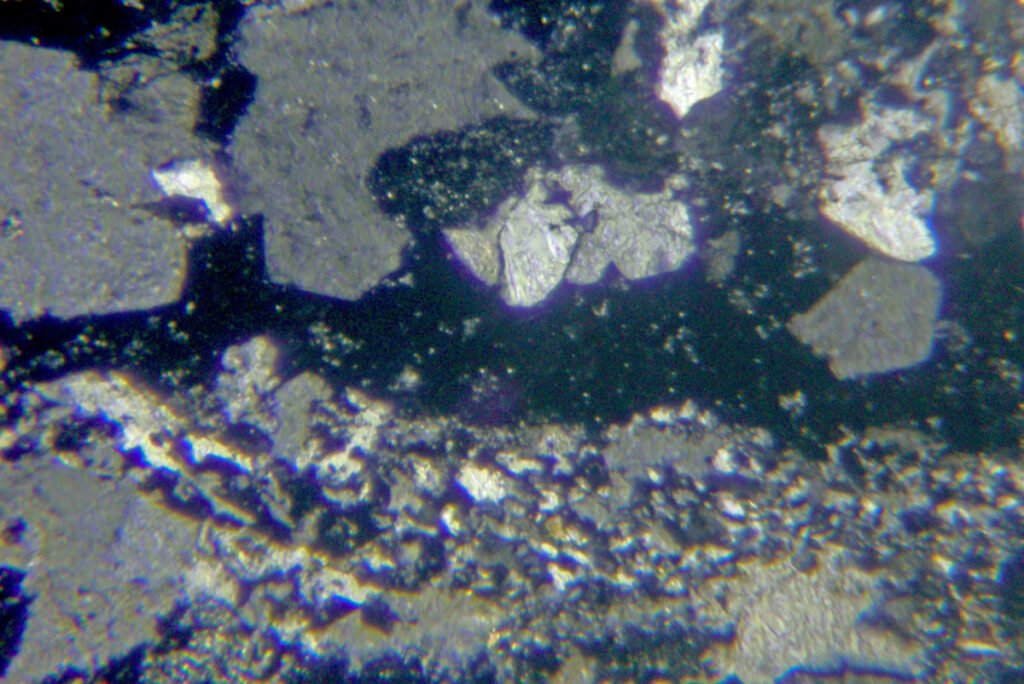
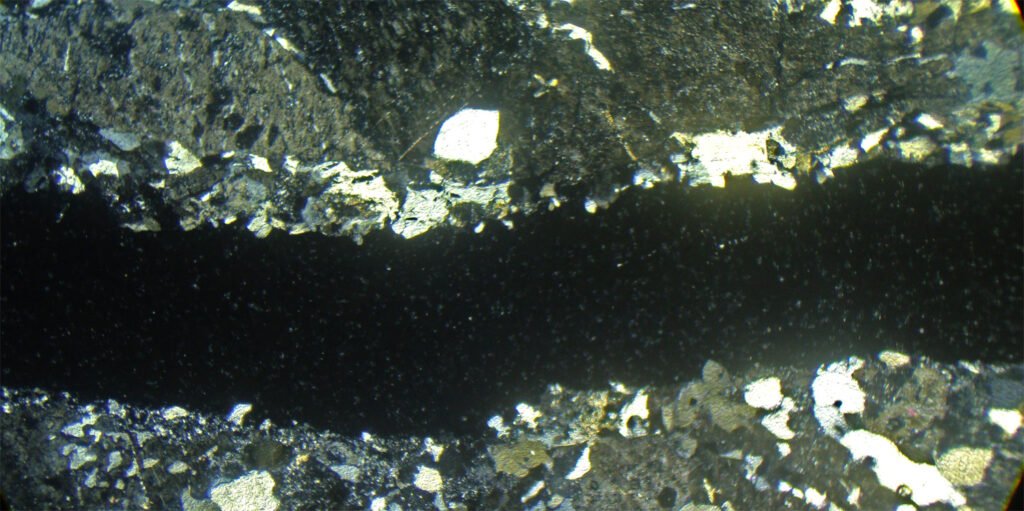
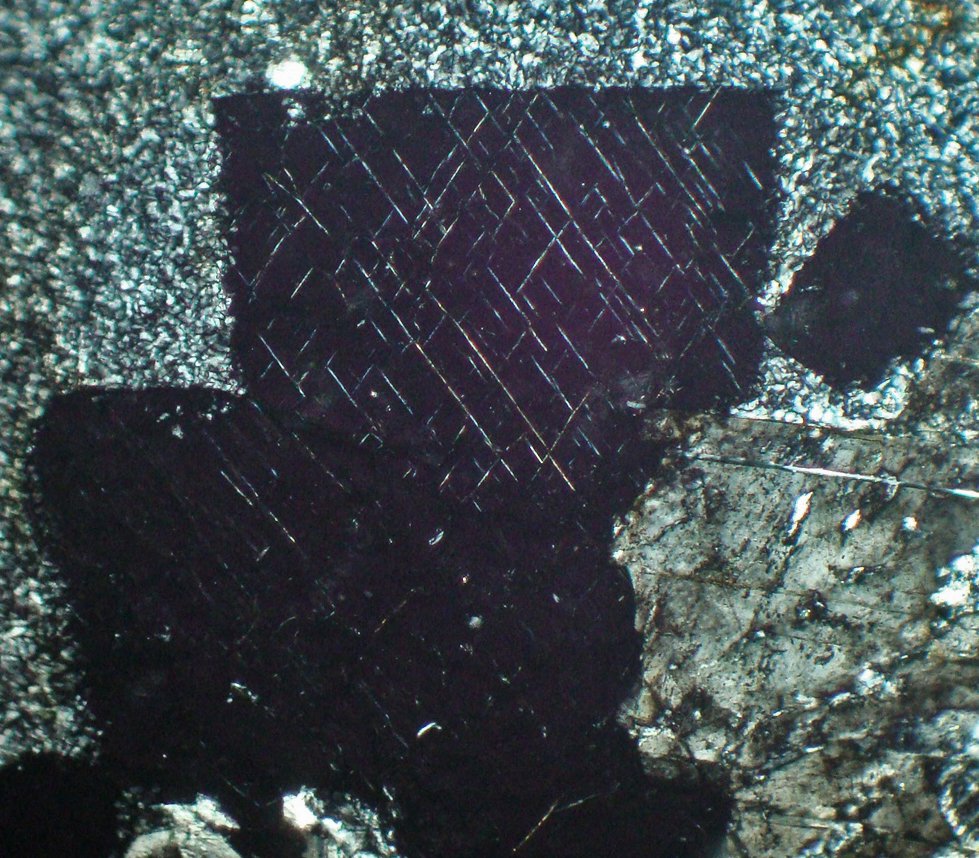
Birefringence and Interference Colors: Isotropic. May have very weak anomalous birefringence, especially in cleaved, cut, or pressed crystals. This birefringence is distributed in lamellae parallel to [001].
Extinction: Isotropic.
Elongation sign: Isotropic.
Twins: Common, on (111) (octahedral), interpenetration twins, difficult to see under the microscope.
Zoning: Often zoned, in portions (dots, bands, zones).
CONVERGENT LIGHT
Character: Isotropic.
2V angle: Isotropic.
Alterations: does not alters easily, it can even be debrital (occurs in sands).
May be confused with: other common isotropic minerals. Purple spots or bands (zoning) due to uranium and thorium traces are very characteristic. Isotropy, moderate relief, color zonation and perfect cleavage are diagnostic.
Sodalite has much lower relief.