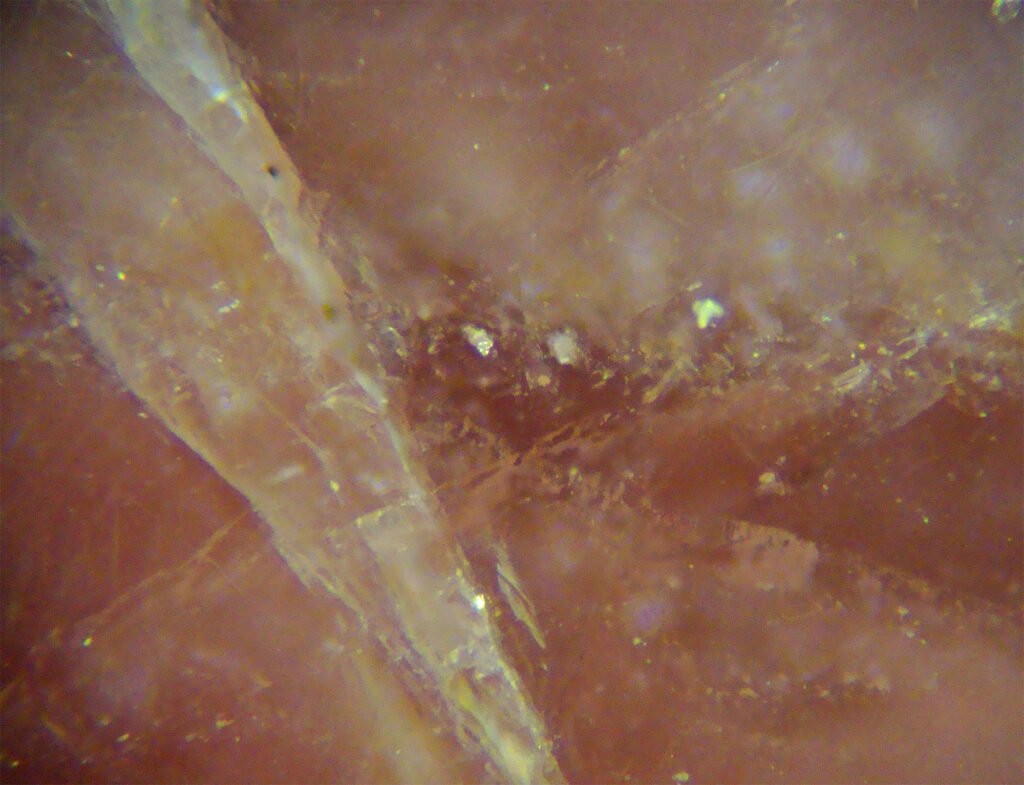
1. Characteristics
Crystal system: Trigonal scalenohedral.
Color: Ranges from almost colorless to pink, red, yellow, cinnamon brown, may be banded. Black when altered.
Habit: Rhombohedral and scalenohedral crystals, up to 15 cm. Generally laminar, columnar, stalagtitic, botryoidal, granular, compact, massive.
Cleavage: {10-10} perfect.
Tenacity: Brittle.
Twinning: Common on {10-12}.
Fracture: Irregular, conchoidal.
Mohs Hardness: 3.5 – 4
Parting: On {10-12}, sometimes.
Streak: White.
Lustre: Vitreous, pearly on aggregates.
Diaphaneity: Transparent.
Density (g/cm³): 3.7
2. Geology and Deposits
Rhodochrosite is found as a primary mineral in low to moderate temperature hydrothermal veins containing native silver, native copper and lead sulfides, where it occurs with other Mn minerals. It occurs in high temperature metamorphic and metasomatic deposits and is common in carbonatites.
It is typical for sedimentary Mn deposits, where it accompanies Mn ore minerals. It can be autigenic and secondary in sediments. It rarely occurs as a late mineral in granitic pegmatites, especially in those with lithiophilite.
3. Mineral Associations
In hydrothermal occurrences it is associated with other carbonates (calcite, siderite, dolomite), other Mn minerals (rhodonite, tephroite), typical gangue minerals (fluorite, barite, quartz), sulfides (pyrite, chalcopyrite, galena, tetrahedrite, sphalerite ), native elements (gold, silver), tellurides and huebnerite.
In metamorphic occurrences it occurs with rhodonite, garnet and several other Mn minerals (alabandite, hausmannite, braunite, manganite, friedelite, etc.). In peralkaline rocks and associated pegmatites it occurs with aegirine and many dozen rare minerals (Mont Saint Hilaire, Quebec, Canada).
4. Transmitted Light Microscopy
Refraction indices: nω: 1,8175 nε: 1,597 (when pure!)
PLANE POLARIZED LIGHT – PPL
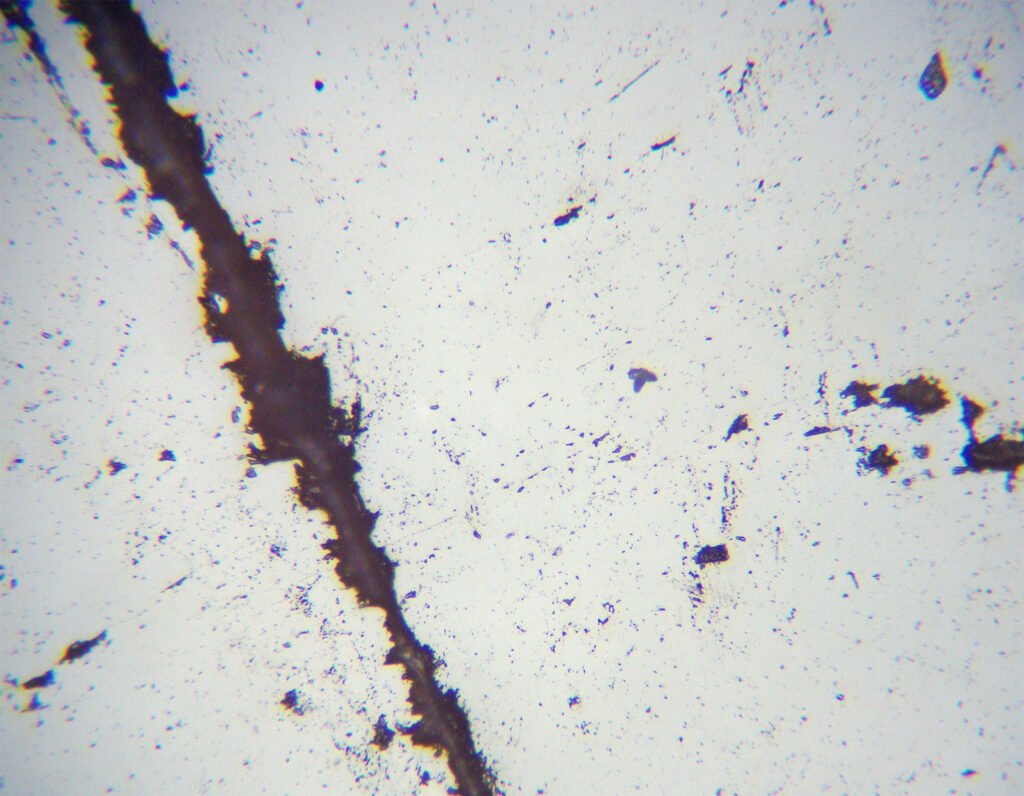
Color / Pleochroism: colorless to pale pink. May have weak pleochroism.
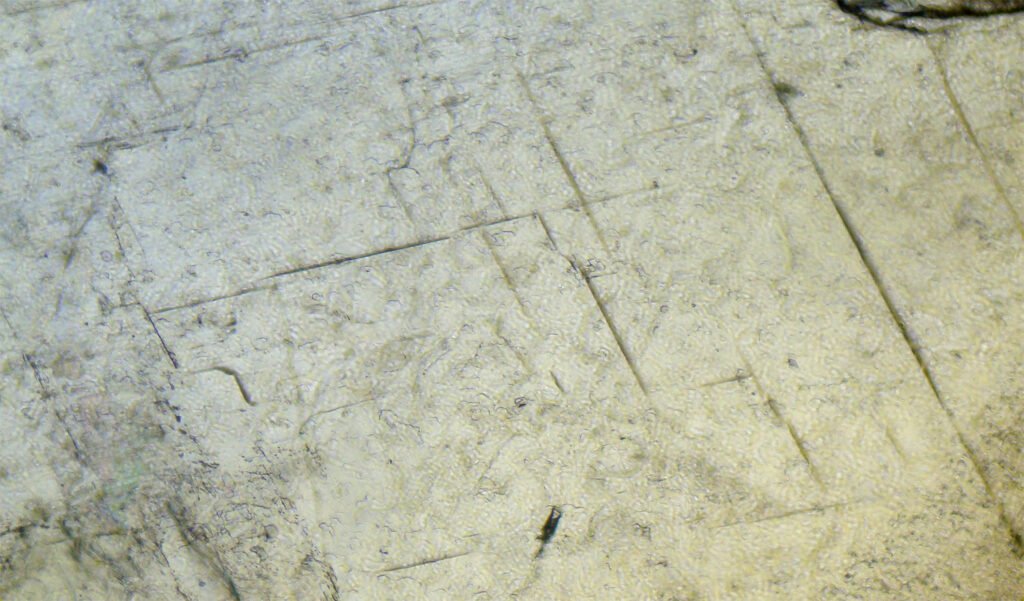
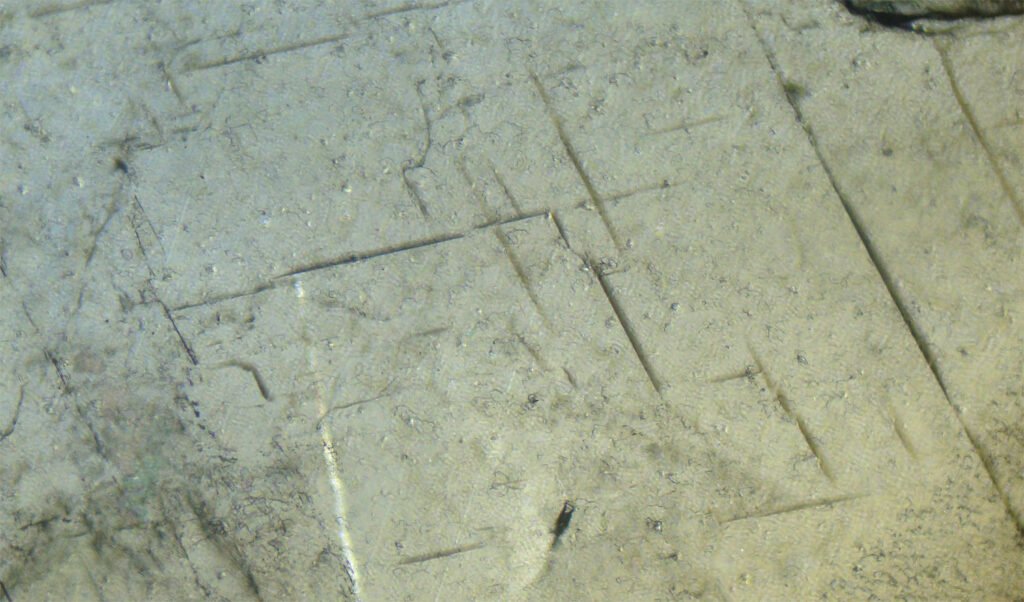
Relief: The relief varies between low and moderate to high at every 90º to the rotation of the stage in crystals with well defined cleavage. This phenomenon has been dubbed “relief pleochroism” or “chagrin change” and is typical of carbonates (calcite, dolomite, aragonite, siderite, rhodochrosite and magnesite).
When microcrystalline, these carbonates do not show “relief pleochroism”.
Cleavage: {10-11} perfect. This is the rhombohedral cleavage of carbonates, also present in calcite, dolomite, siderite and magnesite. The two cleavages intersect at angles of 60 and 120 degrees. There is a partition on {01-12}.
Habits: Lamellar aggregates. It can be columnar, stalagtite, botryoidal, compact, granular or massive.
CROSSED POLARIZED LIGHT – XPL
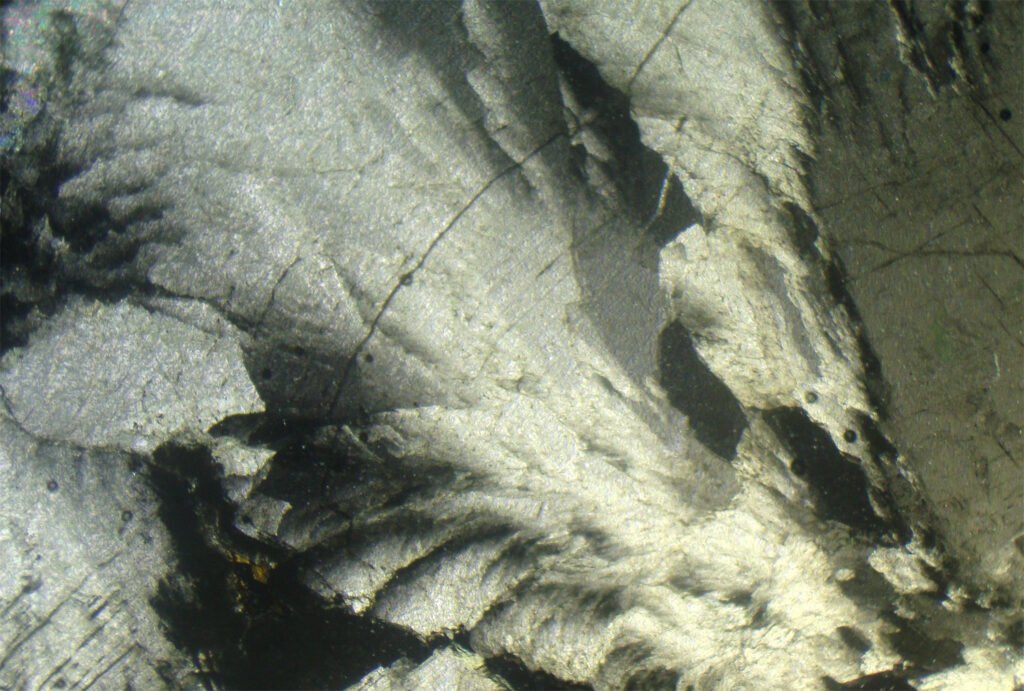
Birefringence and Interference Colors: Maximum birefringence of 0.218, corresponding to very high interference colors, difficult to determine (“pearlaceous white”).
Extinction: Symmetrical with respect to the rhombohedral cleavage planes.
Elongation sign: Not applicable.
Twins: Contact and lamellar twins may occur.
Zoning: No.
CONVERGENT LIGHT
Character: U(-)
2V angle: No.
Alterations: through weathering and oxidation in supergene environments, rhdochrosite breaks down into various manganese oxide and hydroxide minerals like pyrolusite, manganite, psilomelane (Wad) and rhodocrosite-iron oxides. Hydrothermal alteration produces rhodonite and hausmannite.
May be confused with: the rhombohedral cleavage and high interference colors identify the mineral as a carbonate, but the carbonates cannot be distinguished from one another under a petrographic microscope; other analytical techniques are required.