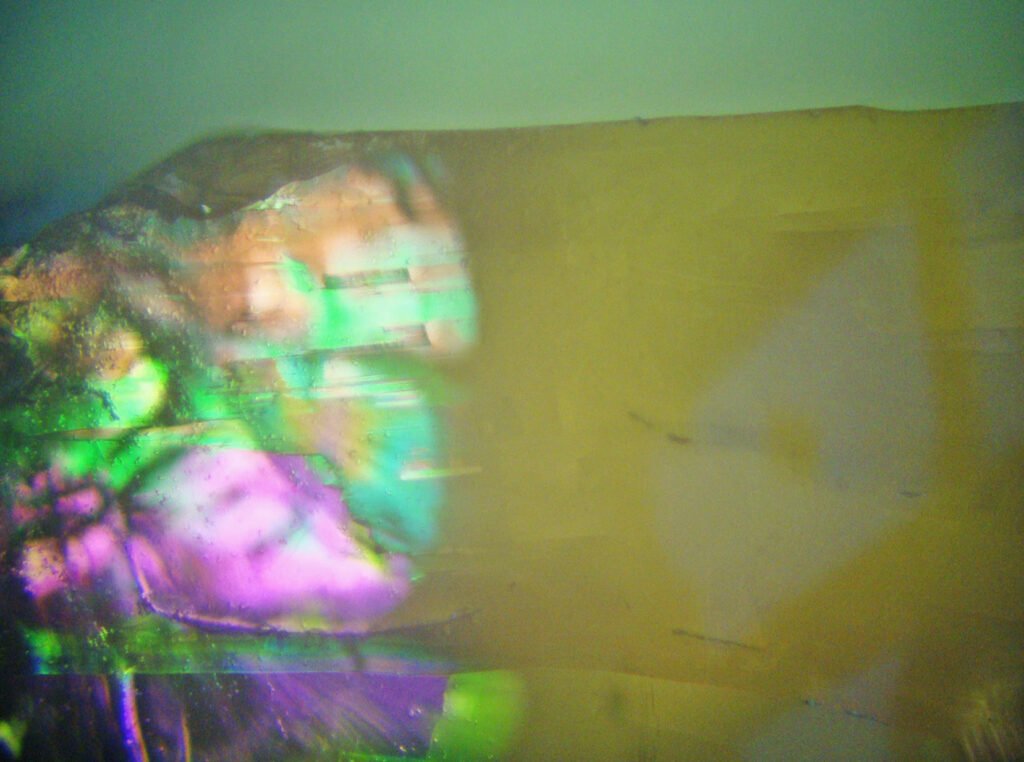
1. Characteristics
Crystal system: Orthorhombic bipiramidal.
Color: Many colors: colorless, yellowish, pink, blue, red, orange, brown, green, blue violet, etc.
Habit: Short to long, complex prismatic crystals are common. Columnar, compact, massive.
Cleavage: {001} perfect. Vertical striations on the faces.
Tenacity: Brittle.
Twinning: No.
Fracture: Subconcoidal, irregular.
Mohs Hardness: 8
Parting: No.
Streak: White.
Lustre: Vitreous.
Diaphaneity: Transparent.
Density (g/cm³): 3.5 – 3.6
2. Geology and Deposits
Topaz is characteristic of high temperature hydrothermal veins rich in volatiles related to granites, granitic pegmatites, greisens and rhyolites. In these rocks, topaz can occur as inclusions in other minerals or free in cavities, in the second case showing well-developed forms.
It also forms from the metamorphism of aluminous sediments rich in quartz and containing fluorine.
May occur as heavy mineral in placers.
3. Mineral Associations
In hydrothermal veins and pegmatites, it is associated with microcline, albite (clevelandite), tourmaline (schorlite, elbaite), beryl, fluorite, muscovite, quartz and bixbyite.
In greisens it is associated with muscovite, quartz, cassiterite and mica (“zinnwaldite”). In this type of deposit it can also occur disseminated in the rock or in cavities.
4. Transmitted Light Microscopy
Refraction indices: nα: 1.606 – 1.634 nβ: 1.609 – 1.644 nγ: 1.616 – 1.644
PLANE POLARIZED LIGHT – PPL
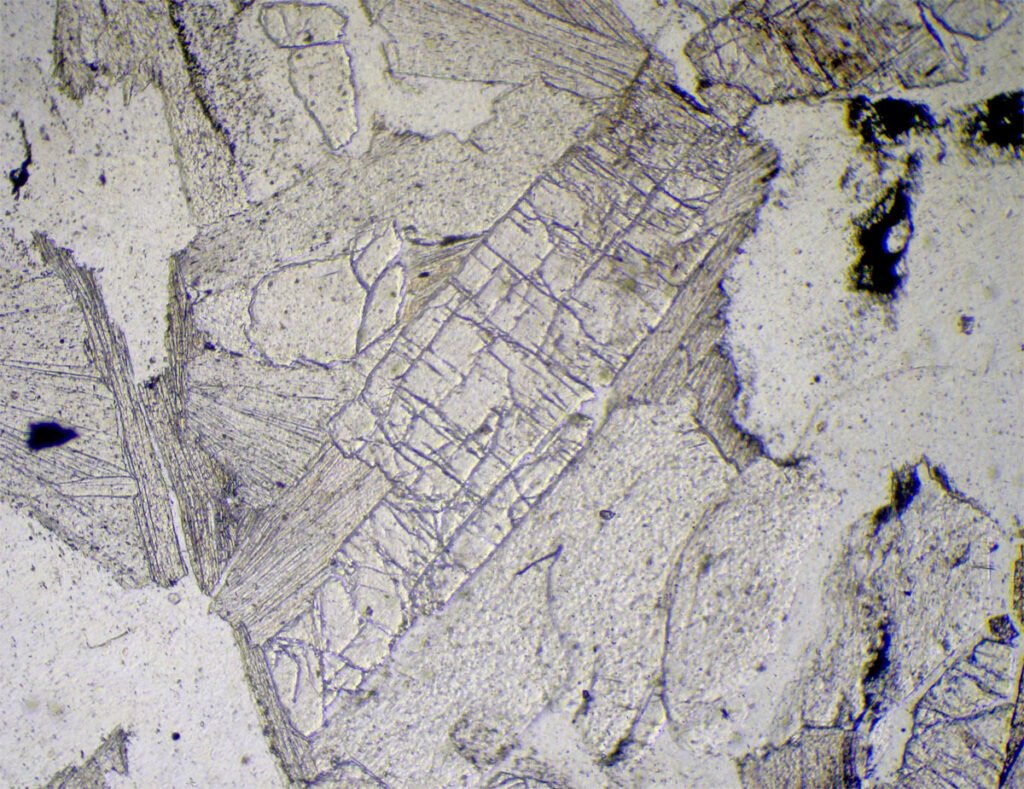
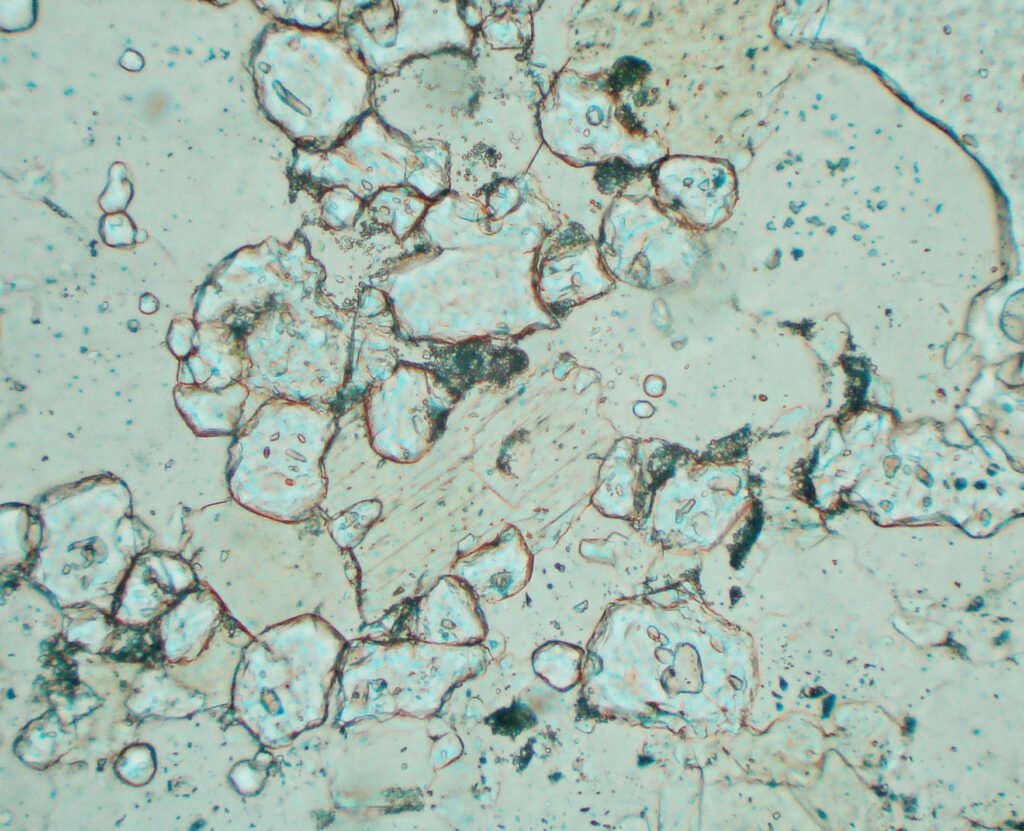
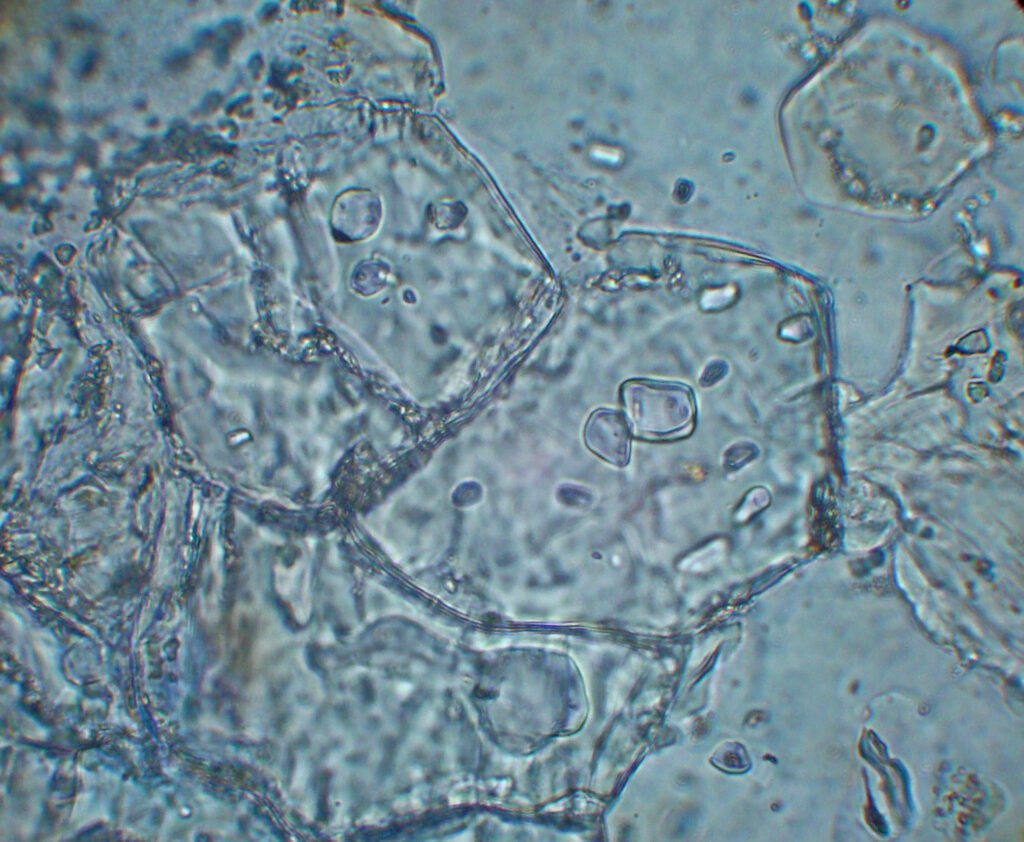
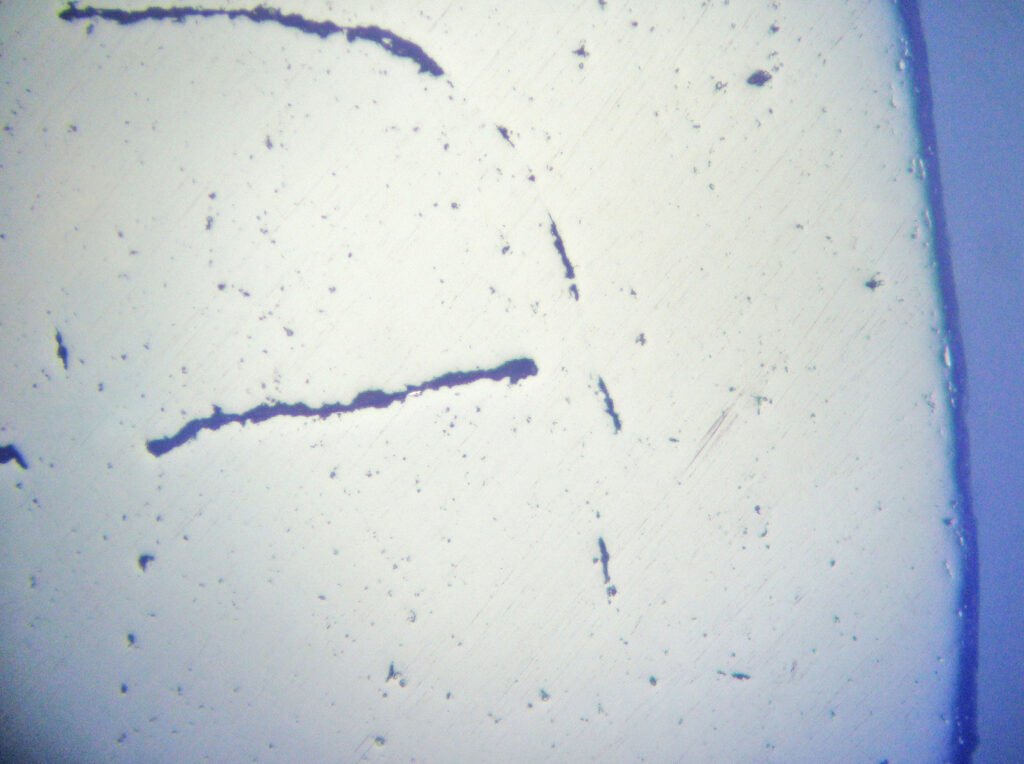
Color / Pleochroism: Colorless without pleochroism.
In thick sections it is yellow, red or blue and is pleochroic: X = yellow; Y = yellow, violet or blue; Z = violet, bluish, yellow, pink.
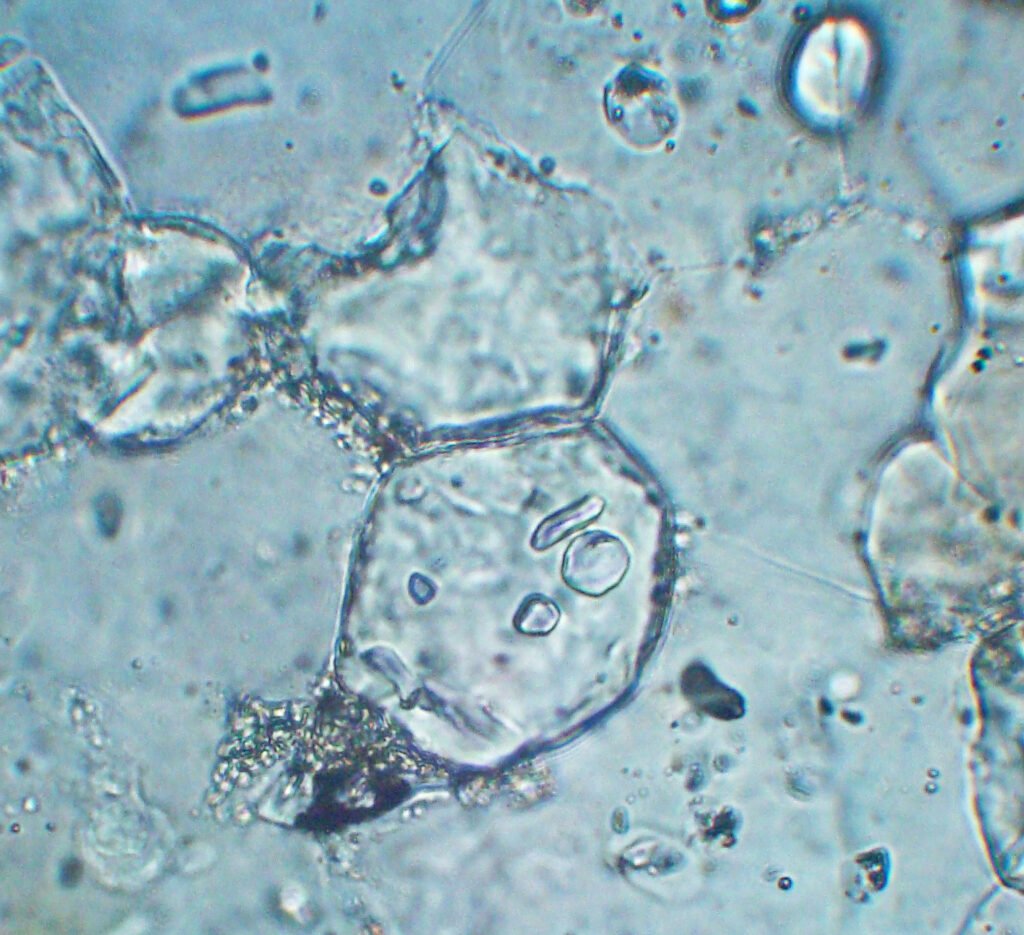
Relief: Moderate to high. Decreases with increasing fluoride content.
Cleavage: {001} very good to perfect.
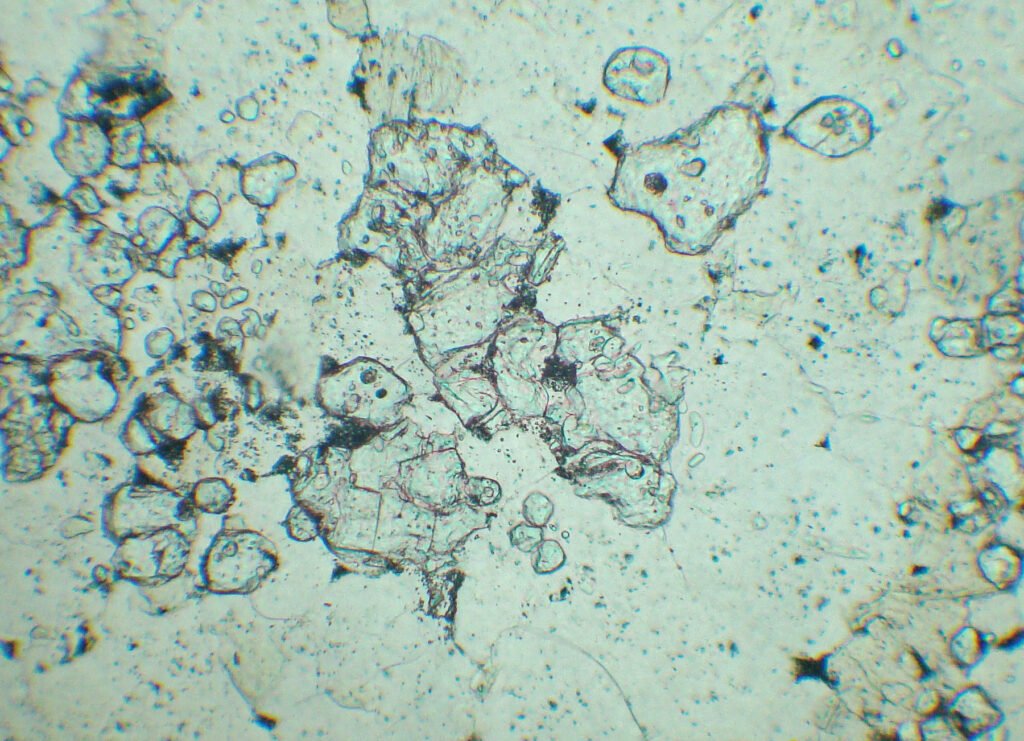
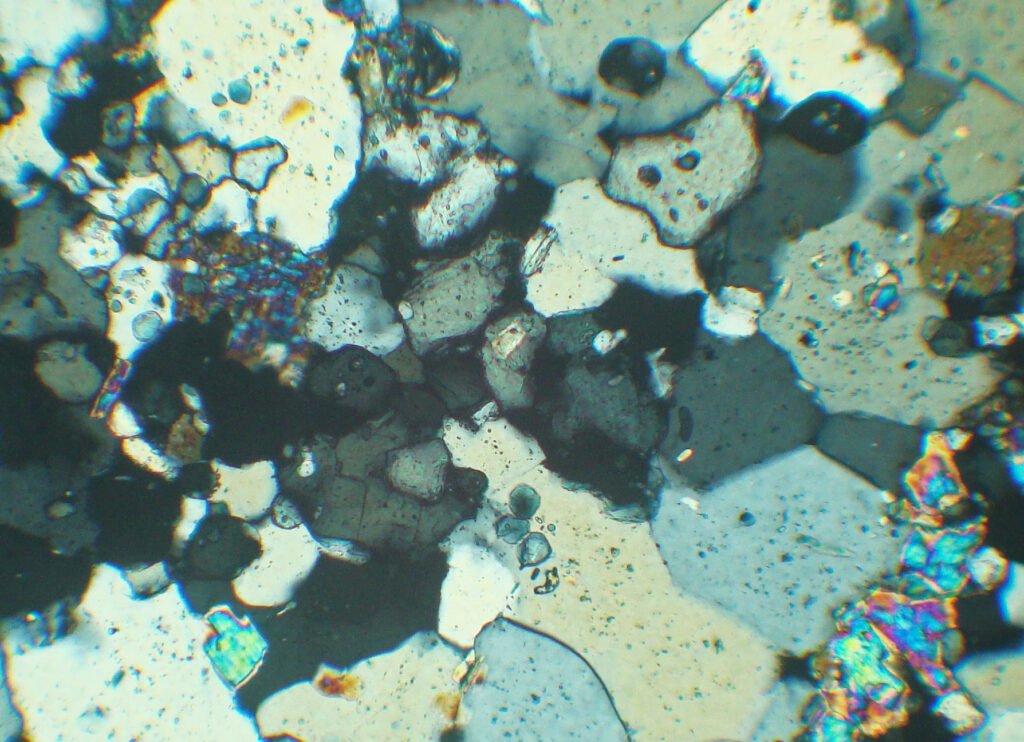
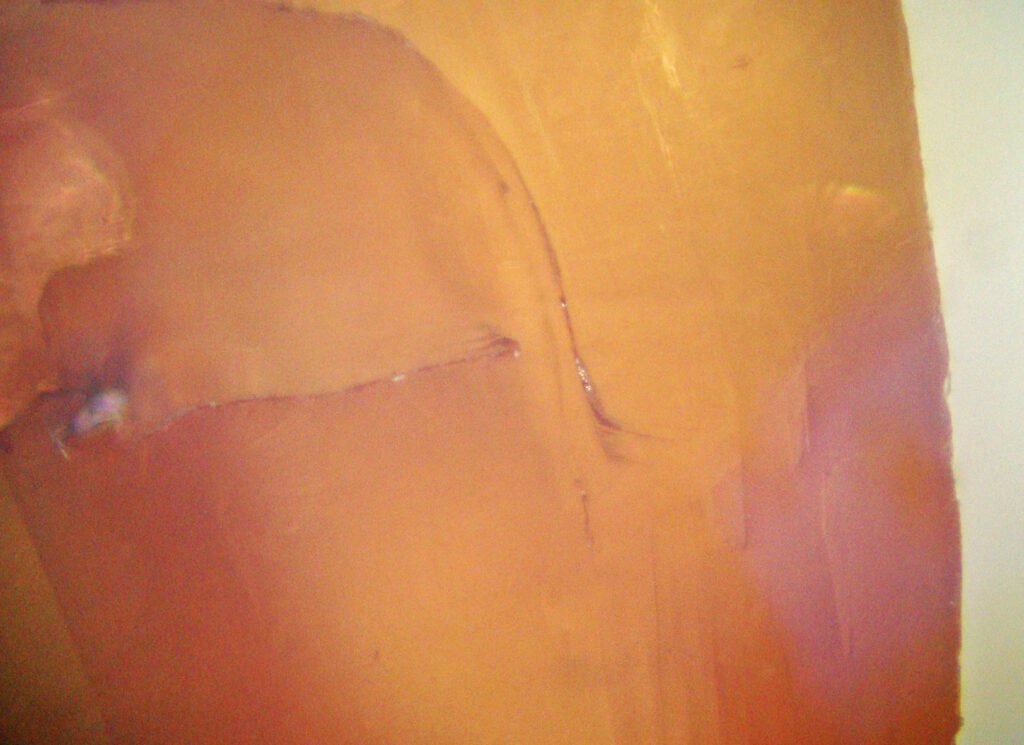
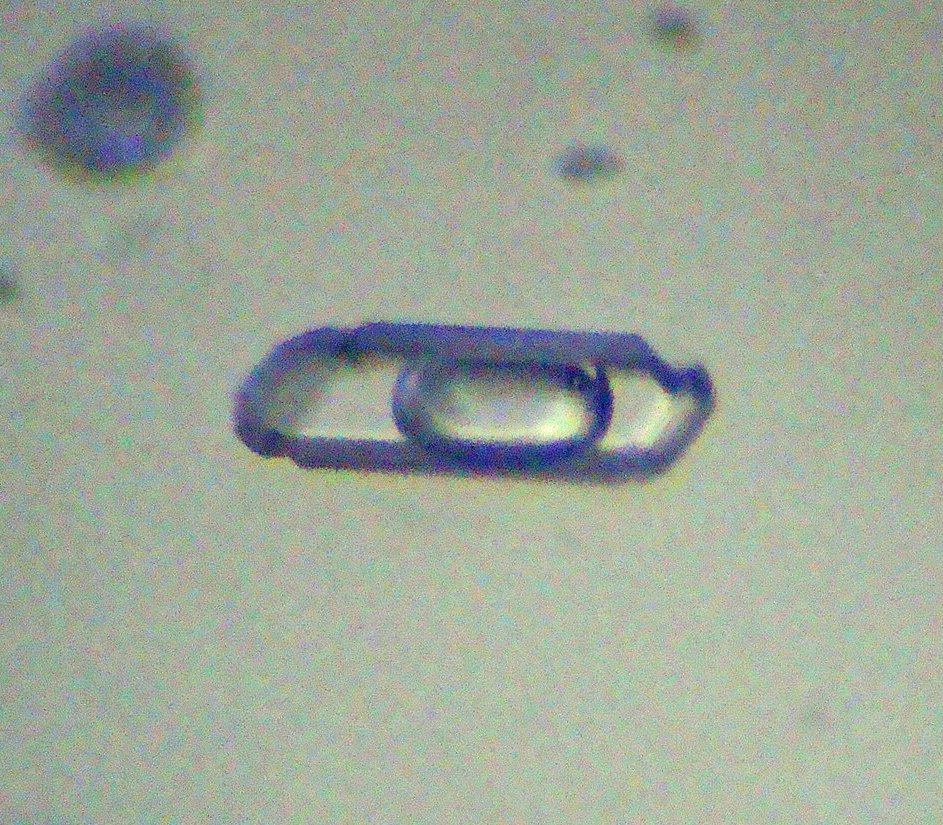
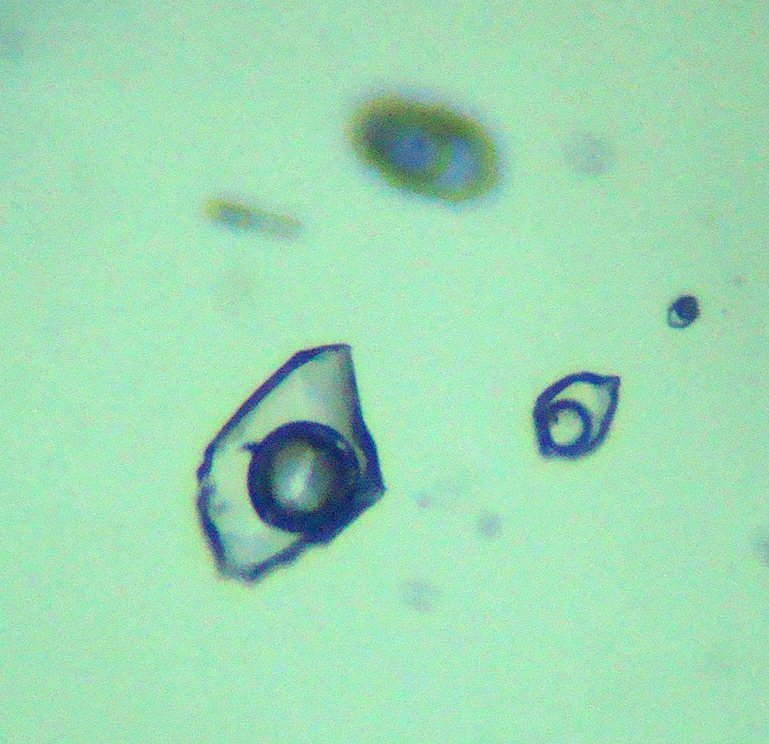
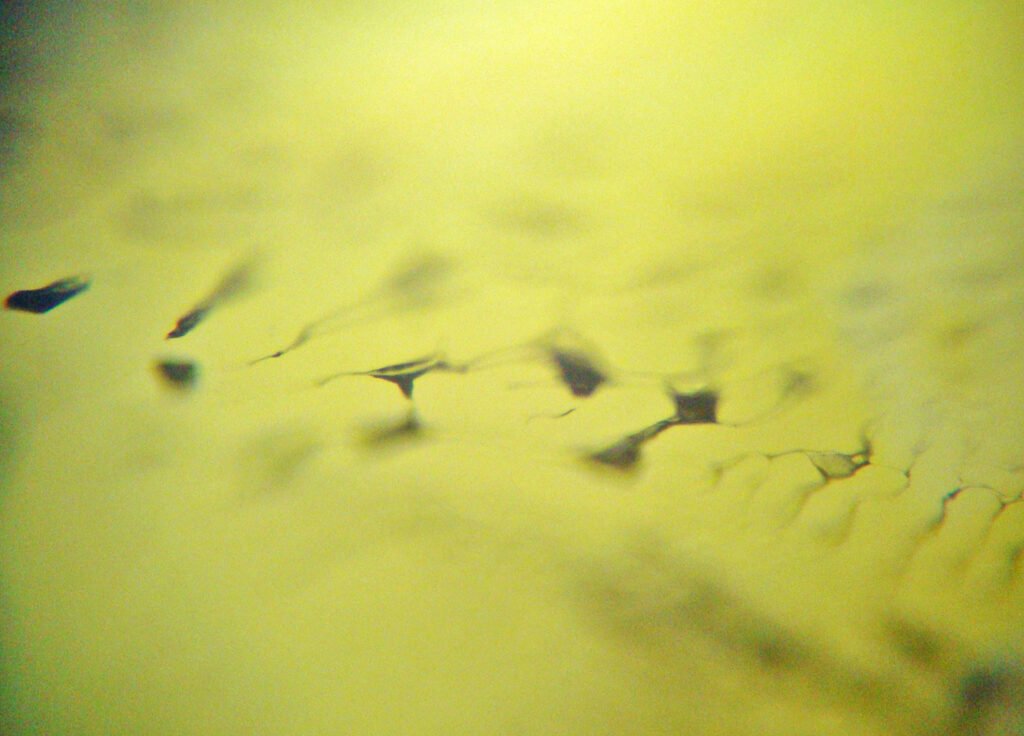
Habits: Short columnar, but can form long prisms. It can be compact, massive, acicular or brush-shaped (pycnite). Typically in single grains, which may be euhedral. Tends to have many fluid inclusions.
CROSSED POLARIZED LIGHT – XPL
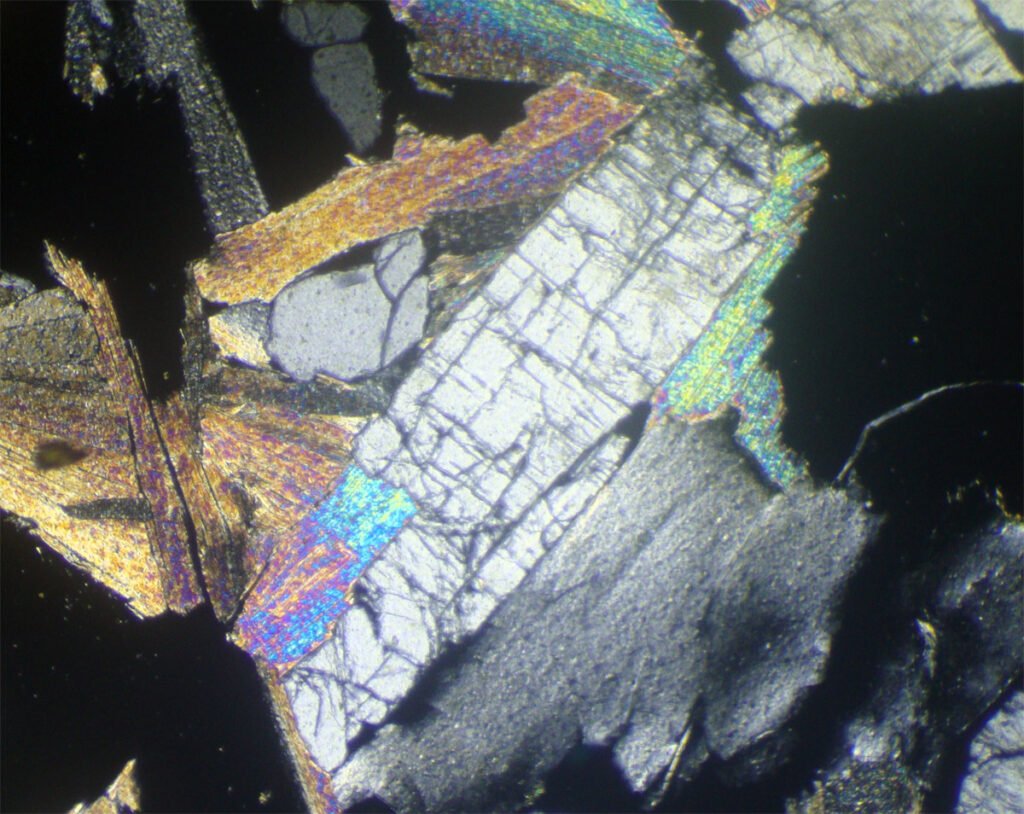
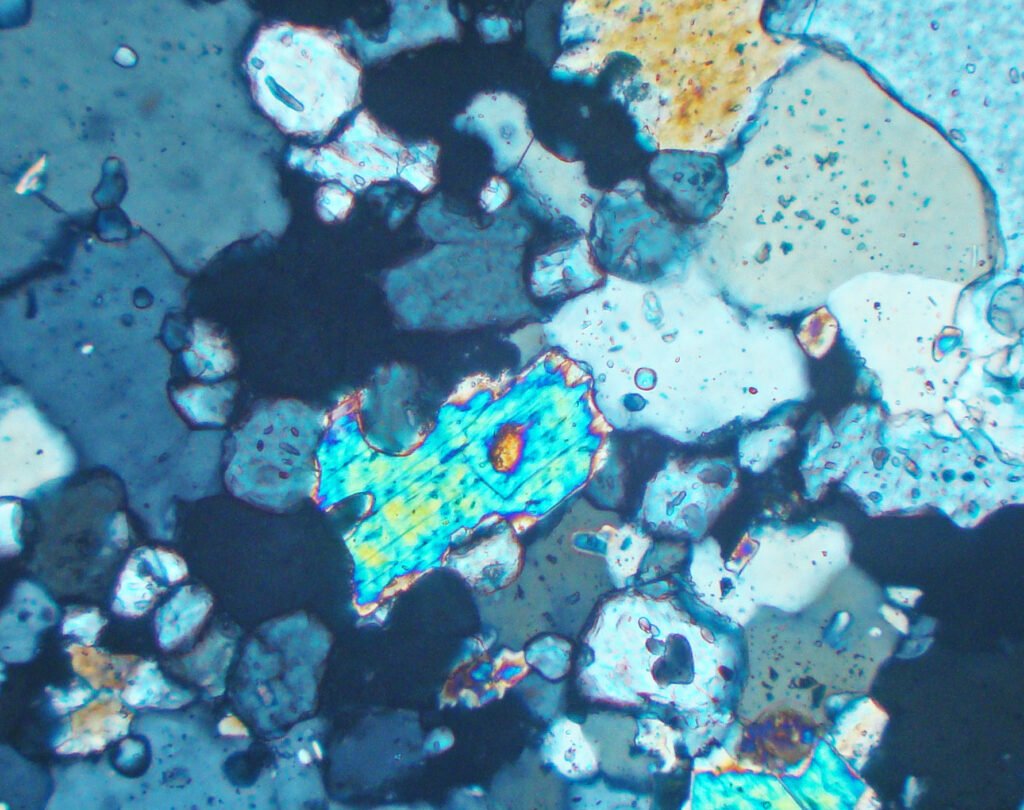
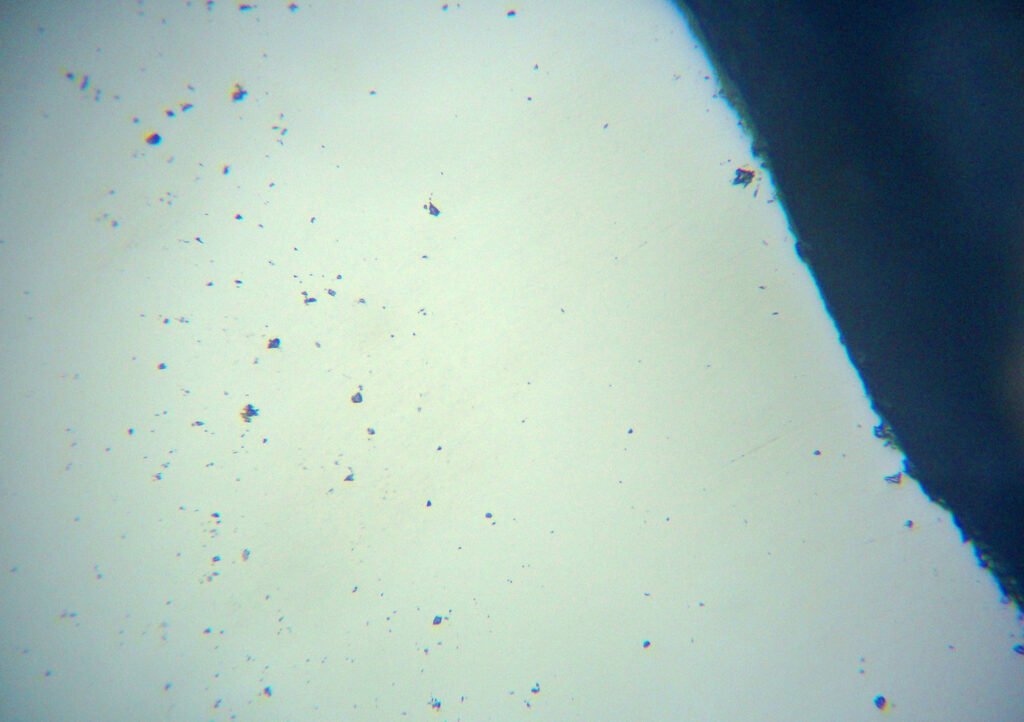
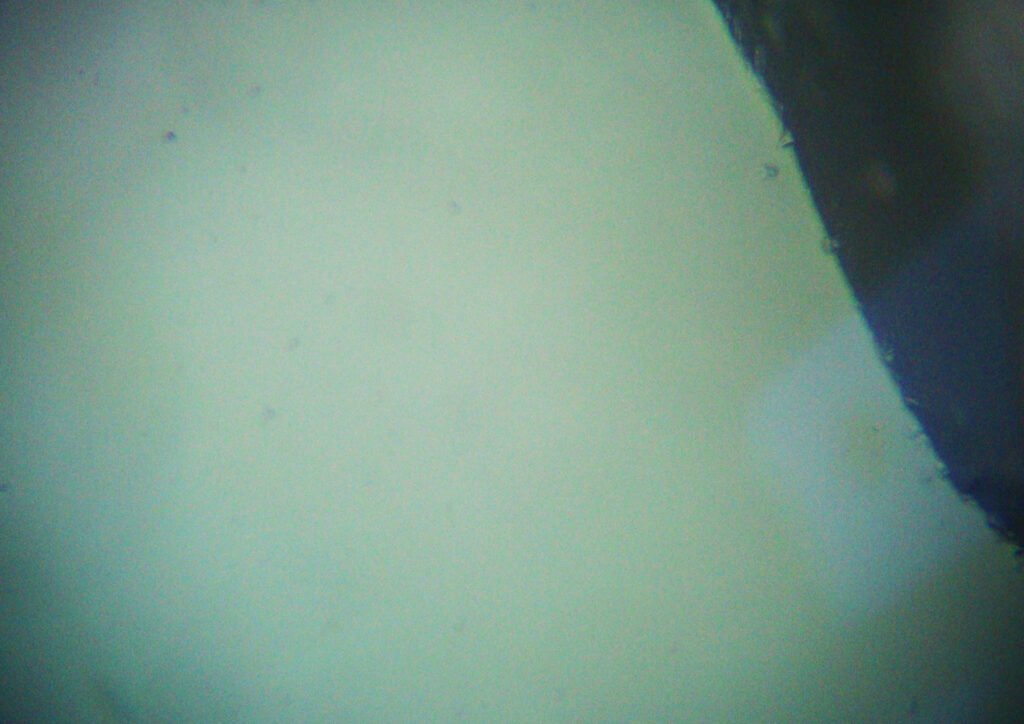
Birefringence and Interference Colors: Birefringence from 0.008 to 0.010, resulting in 1st order colors: white, gray in various shades to straw yellow, similar to quartz.
Extinction: Parallel in longitudinal sections and symmetrical in basal sections.
Elongation sign: ES(-)
Twins: No.
Zoning: No.
CONVERGENT LIGHT
Character: B(+)
2V angle: 48º (F, OH) up to 68º (F)
Alterations: Can alter to kaolinite. But it’s tough, it’s a detrital mineral that concentrates in placers.
May be confused with: other minerals with low birefringence.
Quartz, which occurs associated, but quartz has low relief, has no cleavage and is U(+).
Andalusite is B(-) and has an irregular pink color.
Beryl is U(-).
Barite and celestite occur in different paragenesis.