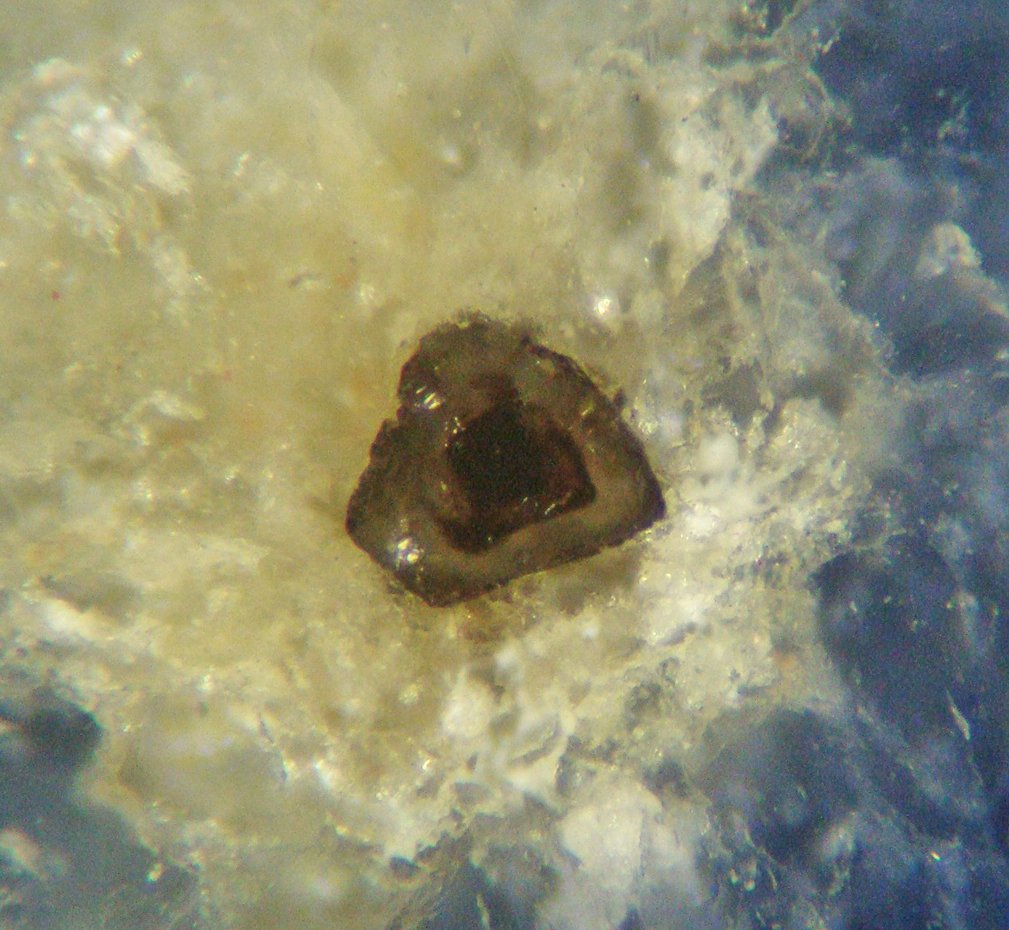
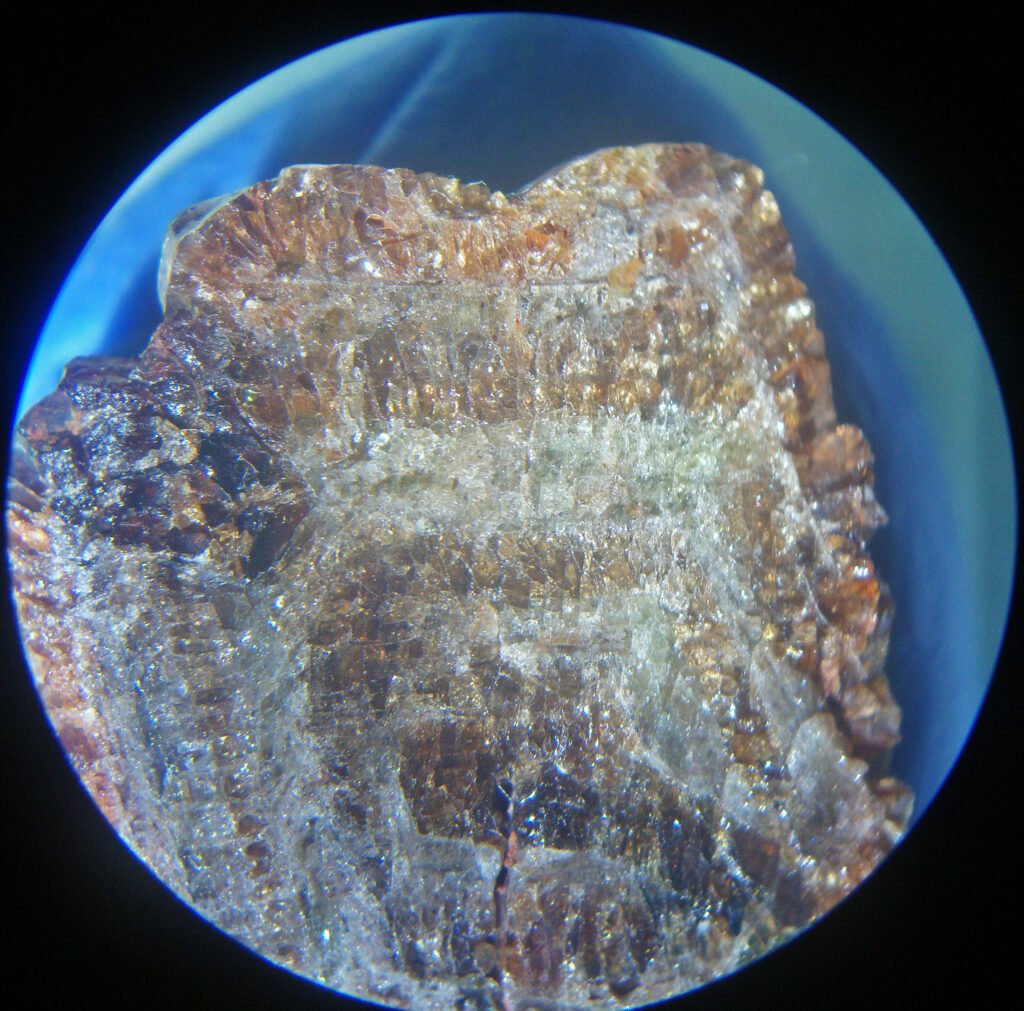
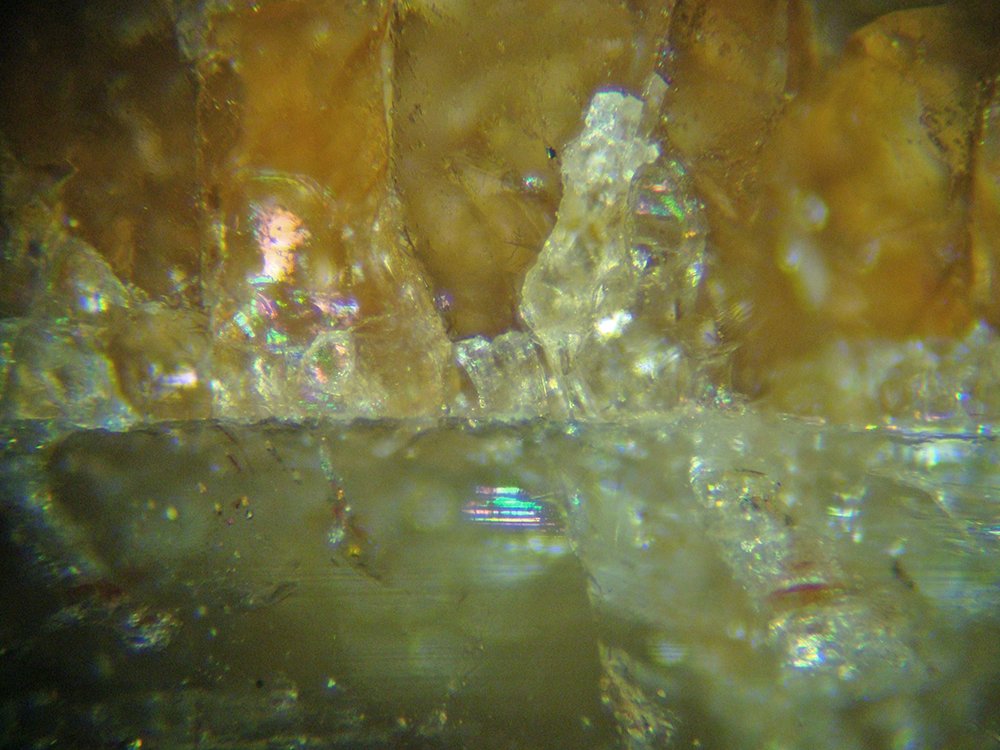
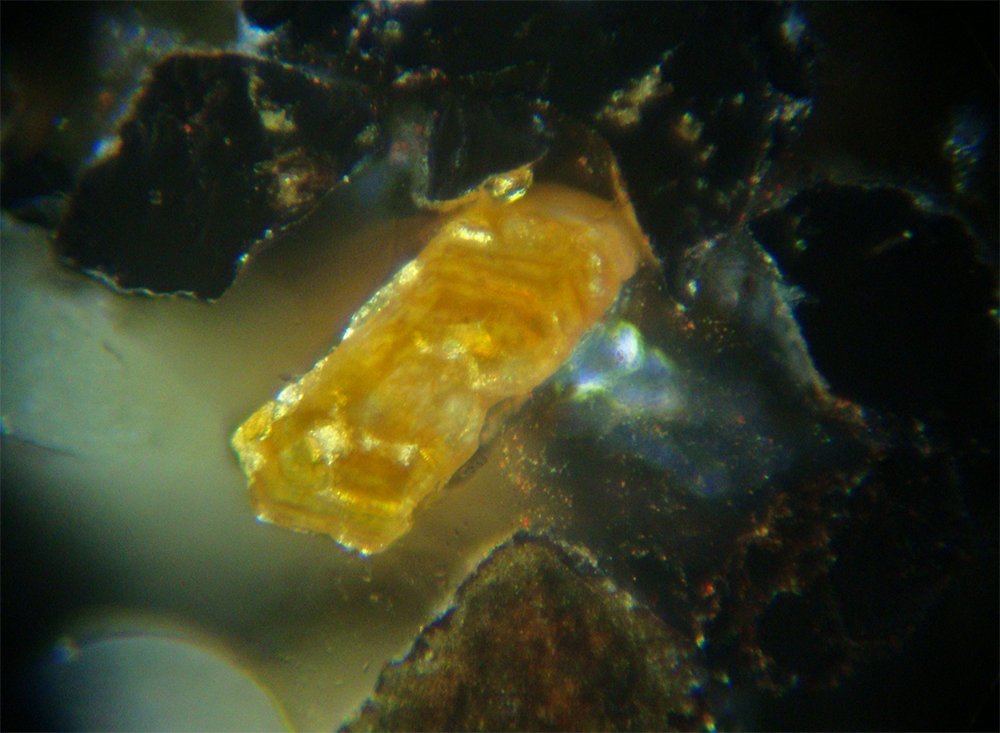
Crystal system: Tetragonal, bipiramidal ditetragonal.
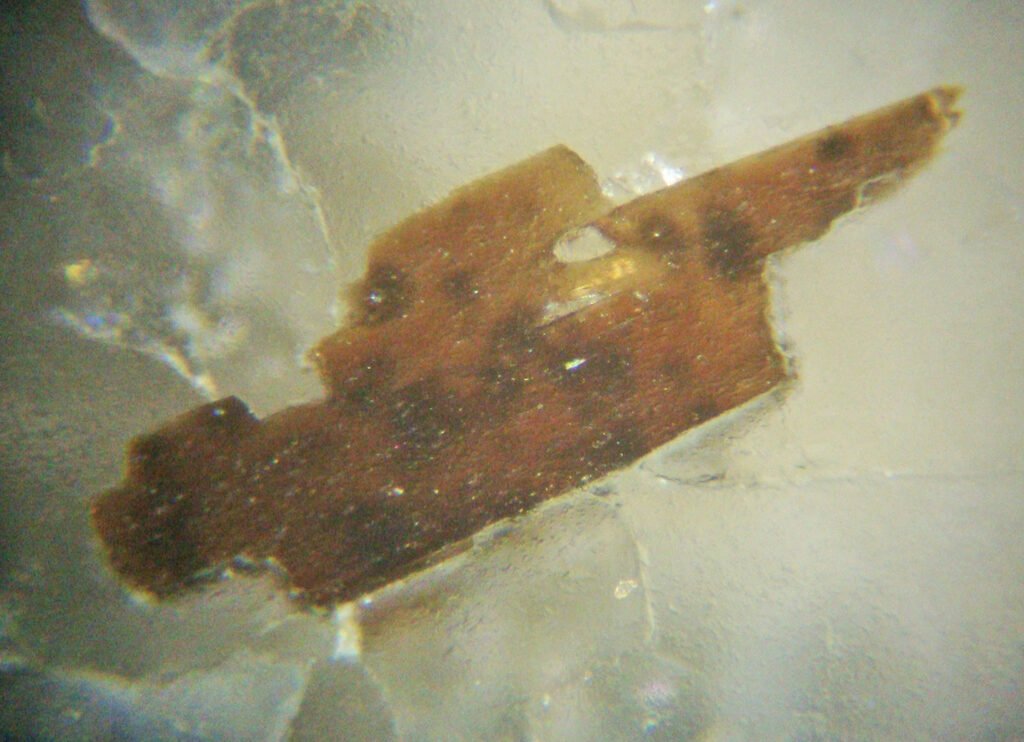
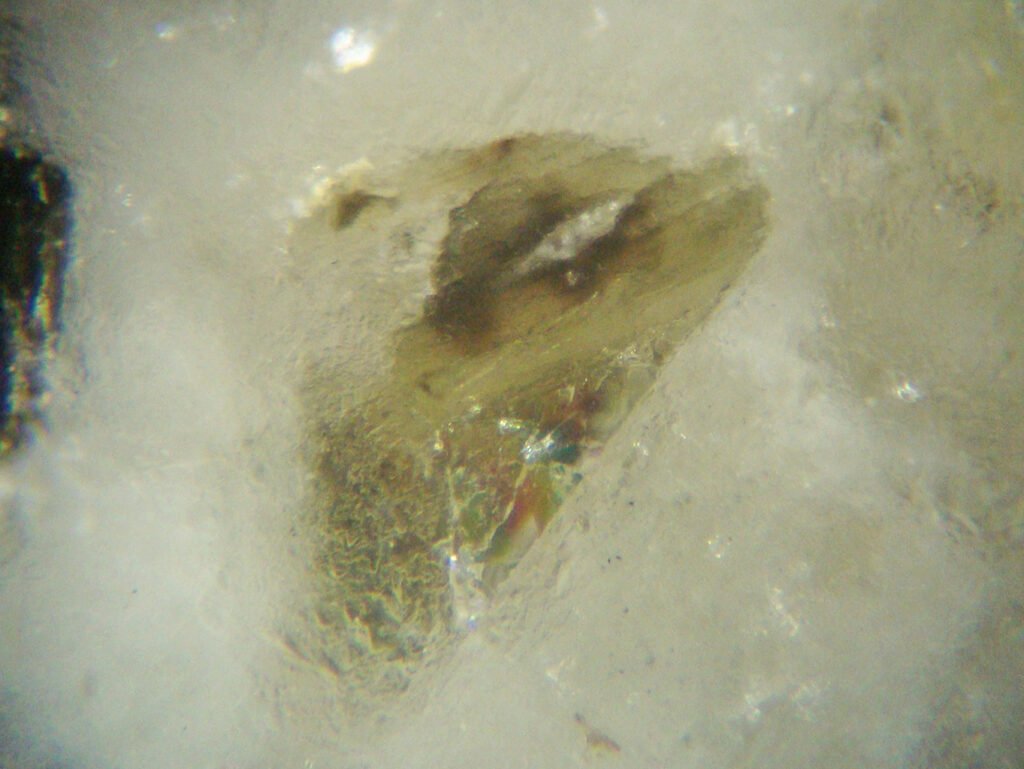
Color: Reddish brown, yellow, green, blue, gray, colorless.
Habit: Usually tabular or prismatic with square basal sections. Irregular, massive grains.
Cleavage: {110} indistinct, {111} indistinct. It is not visible even in sample by hand or under a microscope.
Tenacity: Brittle.
Twinning: Rare.
Fracture: Conchoidal.
Mohs Hardness: 7.5
Parting: No.
Streak: White.
Lustre: Adamantine, vitreous, resinous.
Diaphaneity: Transparent.
Density (g/cm³): 4.7
2. Geology and Deposits
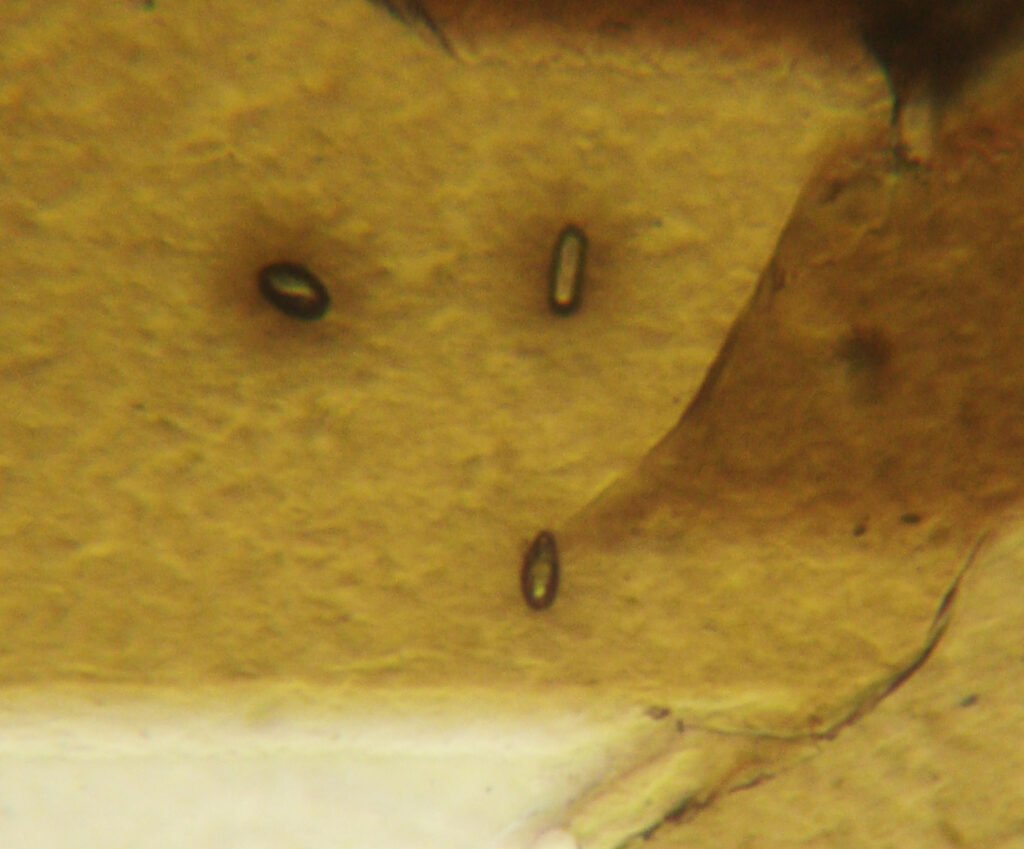
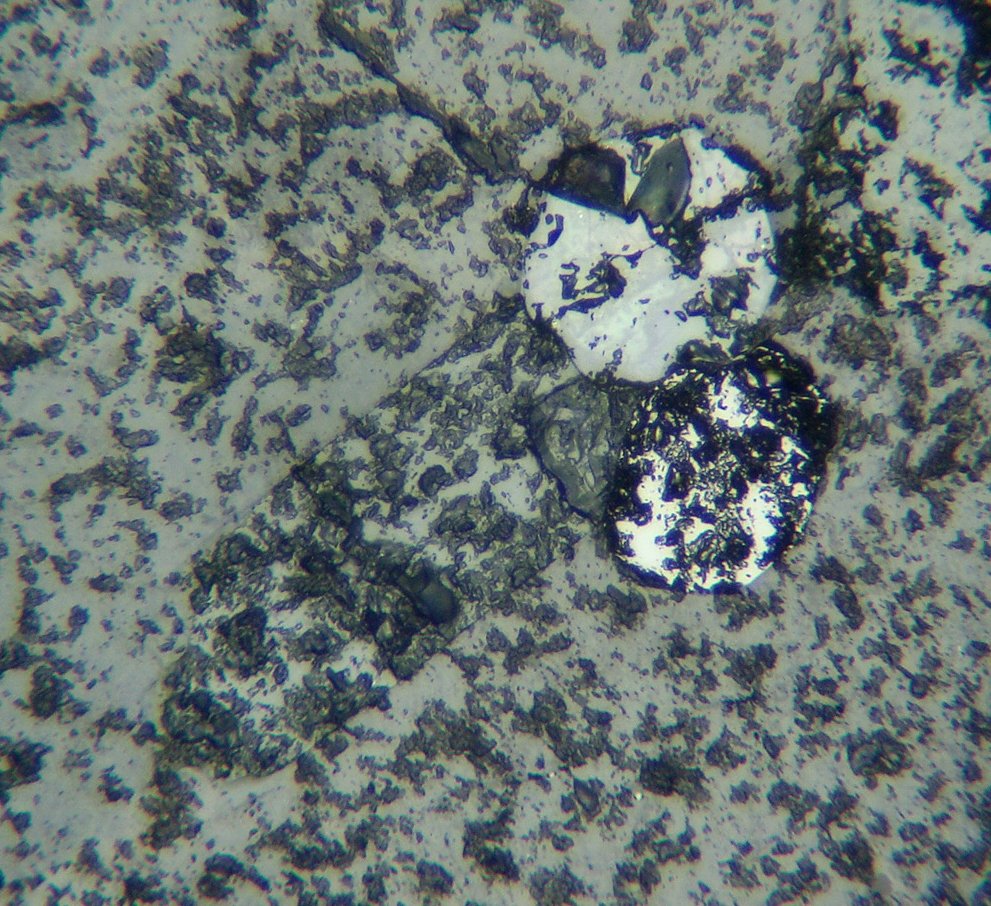
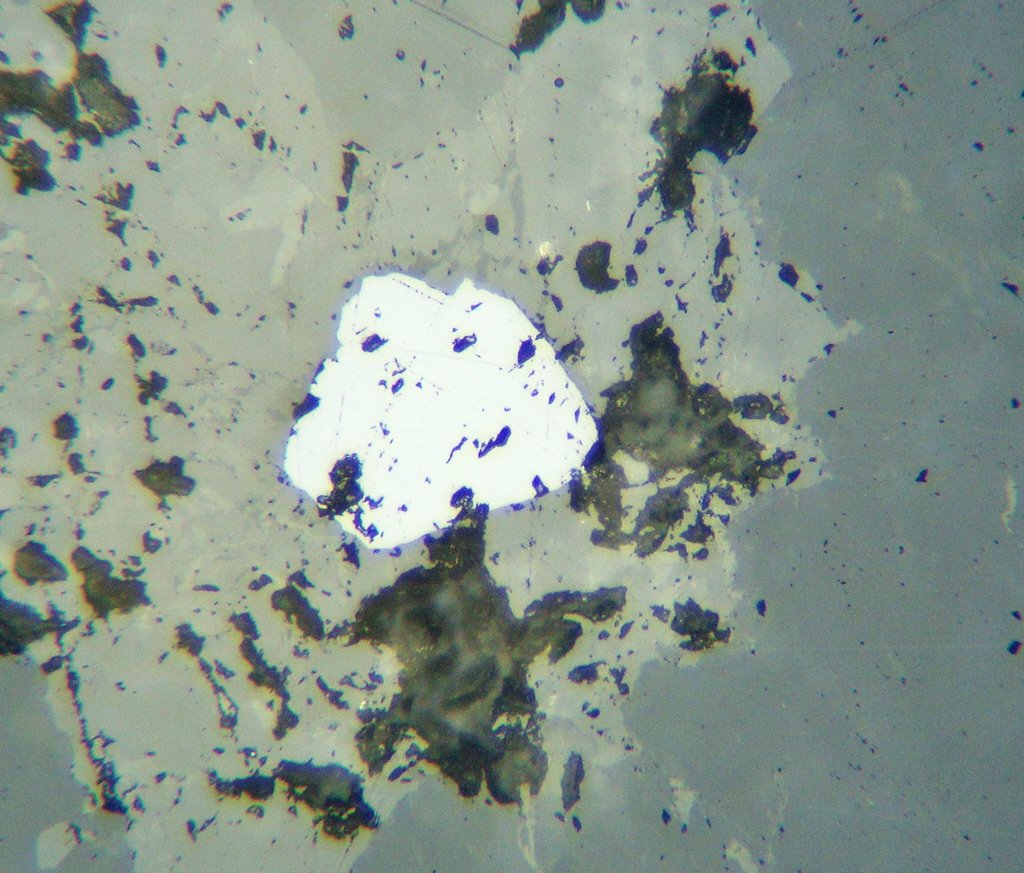
Zircon is a very common accessory mineral in granites, syenites, granodiorites, pegmatites, schists, gneisses and quartzites, where it occurs alone or as inclusions in biotite, hornblende and cordierite, always forming less than 1% of the rock mass. It also occurs as an accessory mineral in volcanic rocks such as andesites, trachytes and phonolites. In mafic pegmatites and carbonatites, it forms large crystals, up to 30 cm. Crystals of this type, several centimeters in length, can be purchased commercially, in stone stores. By sawing these crystals in half, it is possible to visualize spectacular zoning and produce thin sections and high-quality polished sections.
It has been found in some achondrite-type meteorites.
It is a common detrital mineral in clastic sediments and therefore occurrs in clastic sedimentary rocks. In this context, it may idiomorphic, contrasting with the well-rounded grains of other minerals. The yellow fluorescence of zircon helps to identify it in heavy (black) sands. It is, therefore, common in polished sections of placer concentrates from gold-magnetite-ilmenite-platinum-monazite-uraninite deposits, where it can provide important information about the origin of these sands.
3. Mineral Associations
Zircon occurs associated with many different minerals. Occurring in igneous rocks (and associated pegmatites), in metamorphic and sedimentary rocks, there are no unique and/or diagnostic associated minerals.
4. Transmitted Light Microscopy
Refraction indices: ne: 1.925 – 1.961 no: 1.980 – 2.015
PLANE POLARIZED LIGHT – PPL
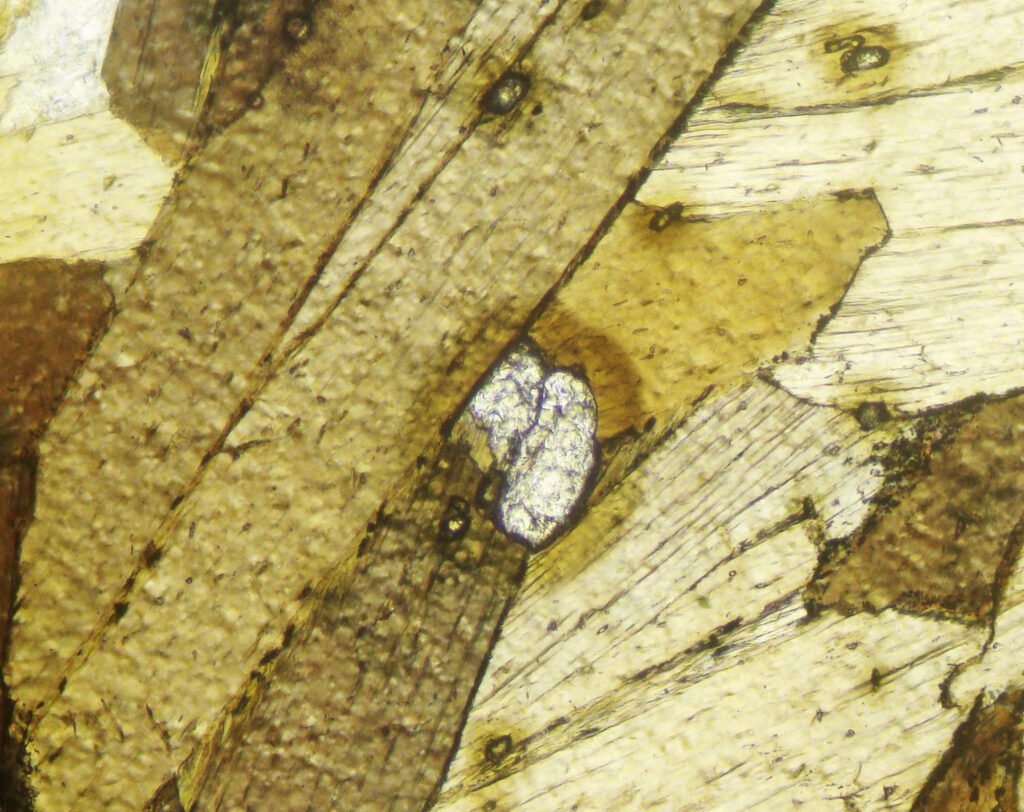
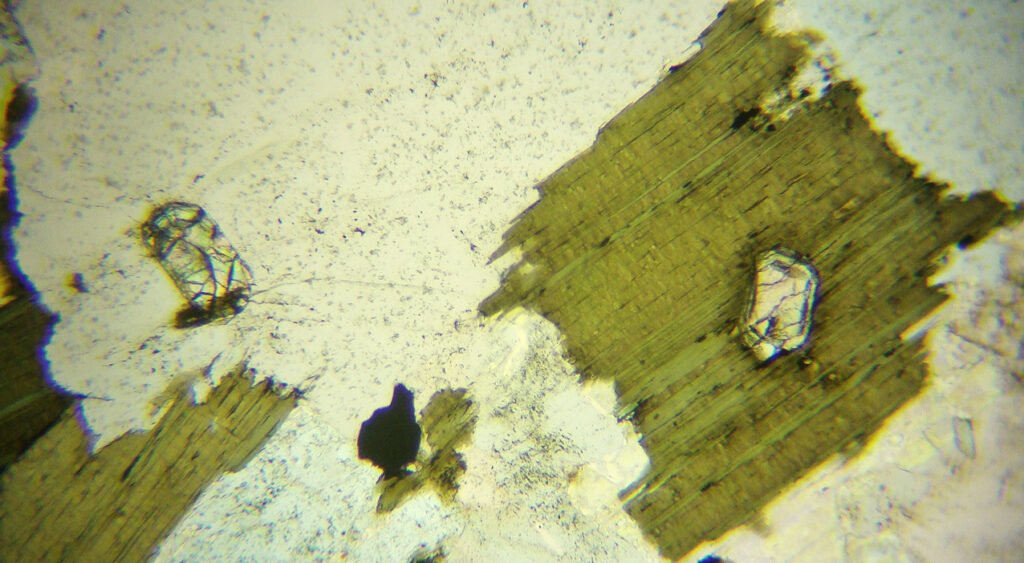
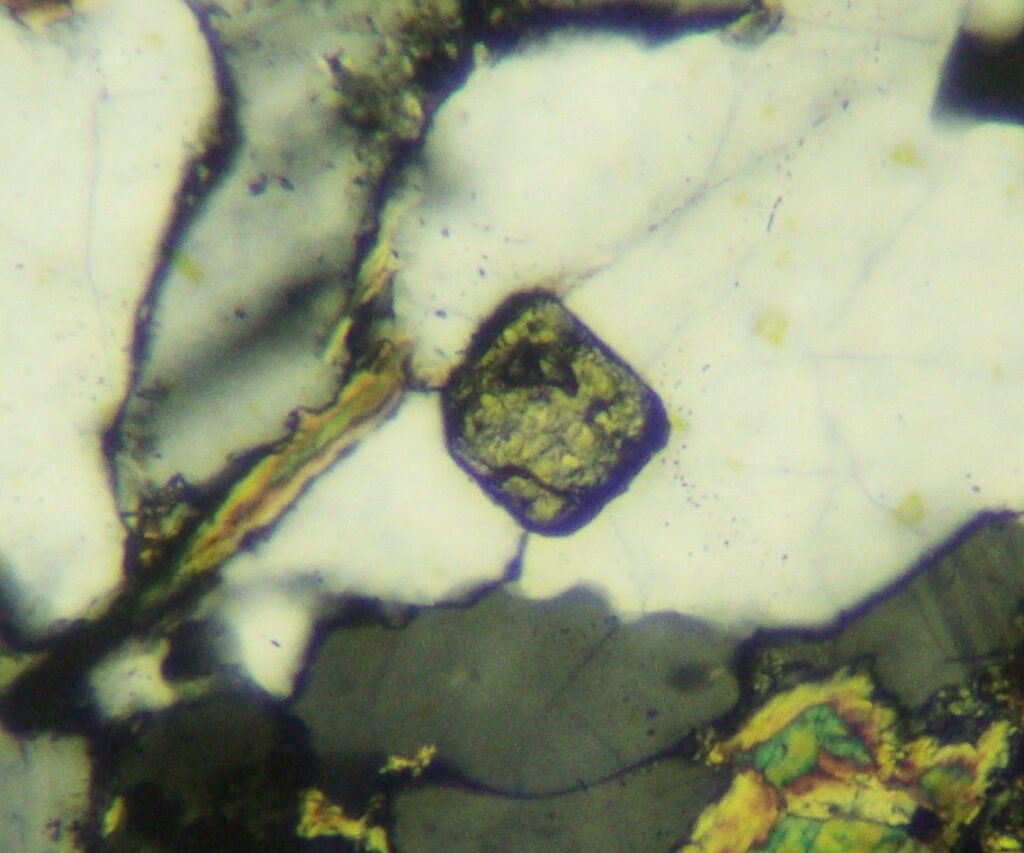
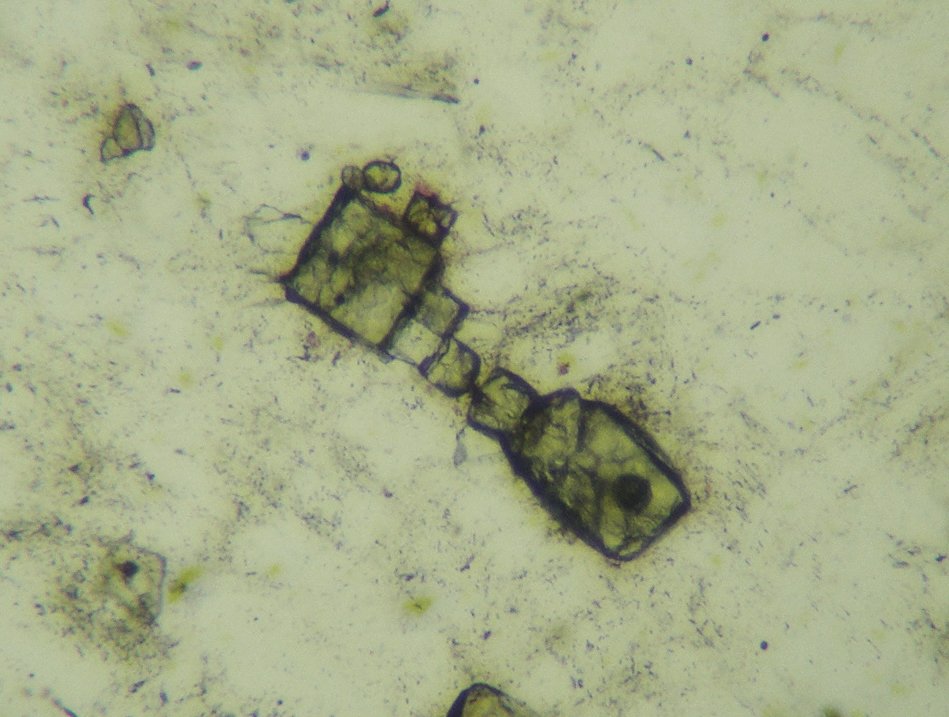
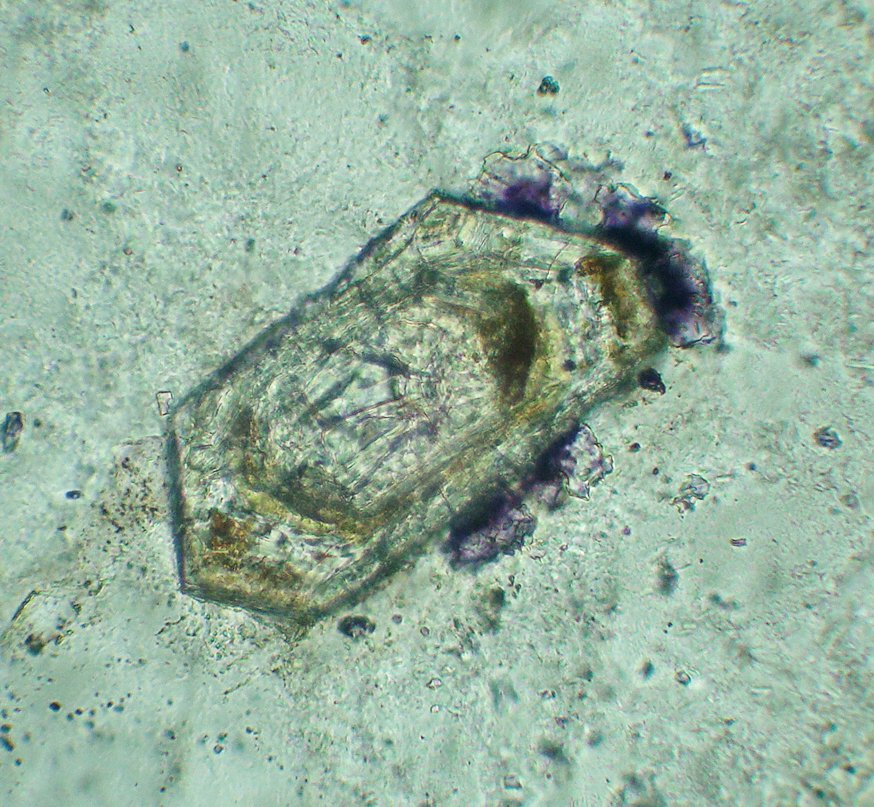
Color / Pleochroism: Colorless. Weak pleochroism from colorless to brown in colored varieties.
May be cloudy or with concentric zonation or with color banding.
Relief: Very high, extreme.
Cleavage: {110} and {111} indistinct, usually not visible under a microscope.
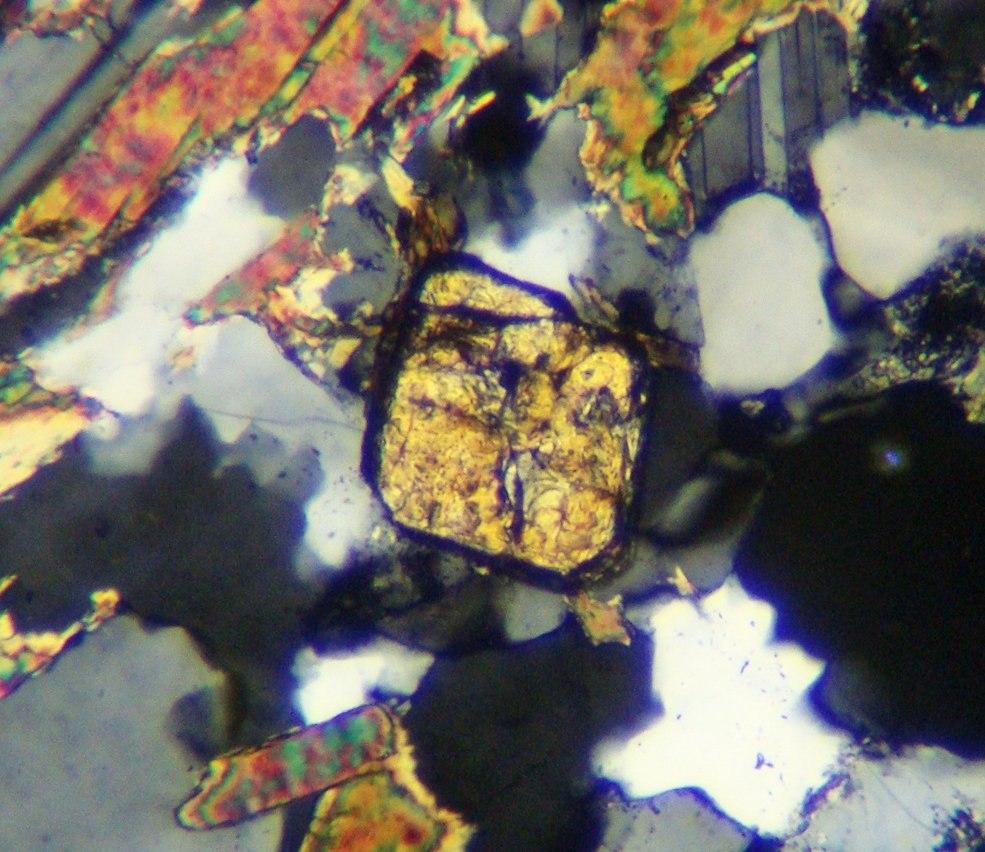
Habits: Short prismatic with basal sections that tend to be square.
Forms subhedral, round to elliptical grains, often with a dark halo (brown, black) around them, but only when they occur within mafic minerals (biotite, amphibole, etc.).
CROSSED POLARIZED LIGHT – XPL
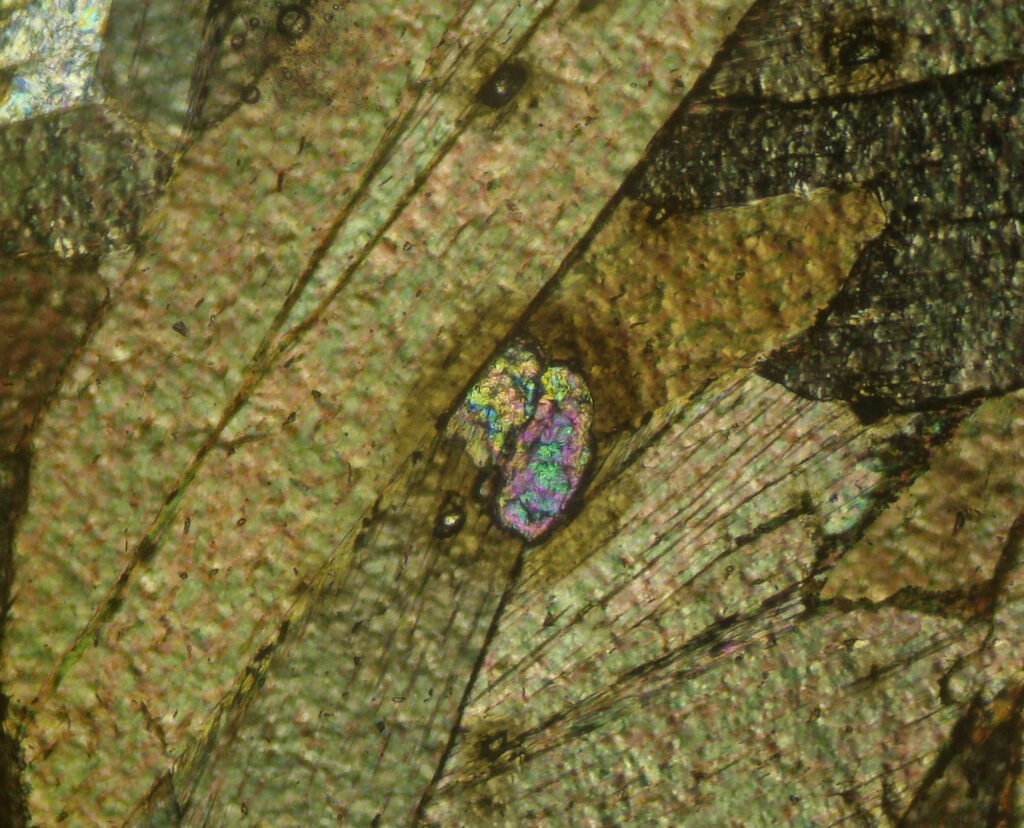
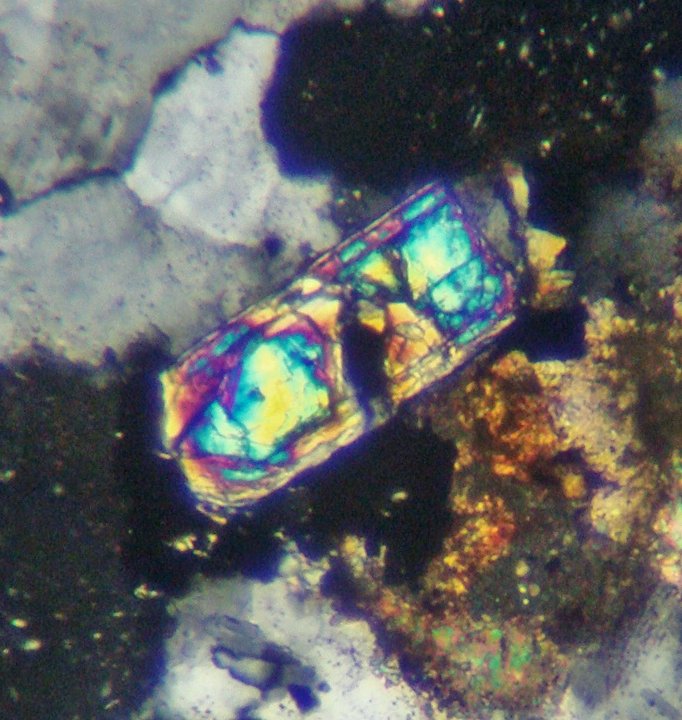
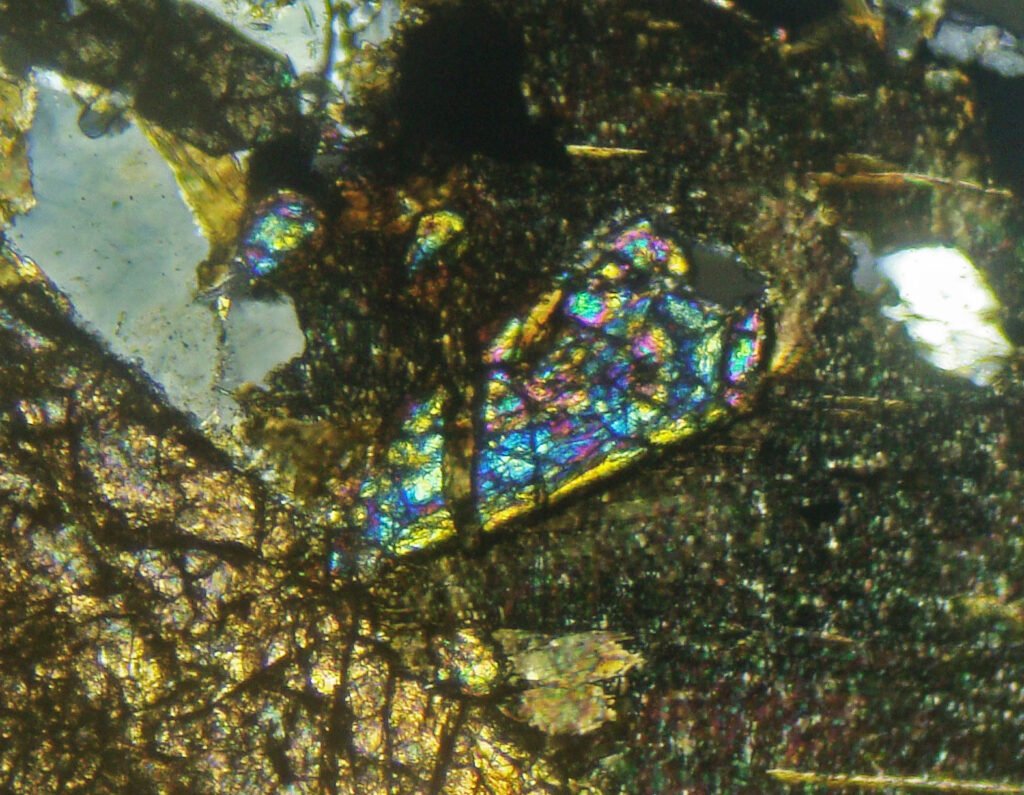
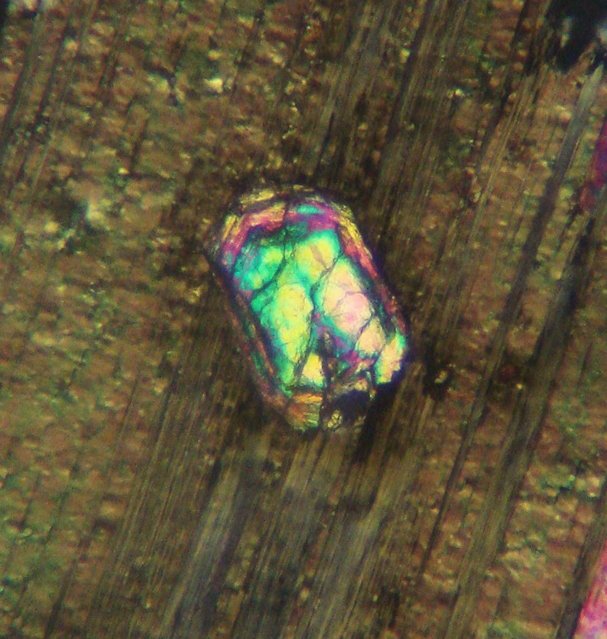
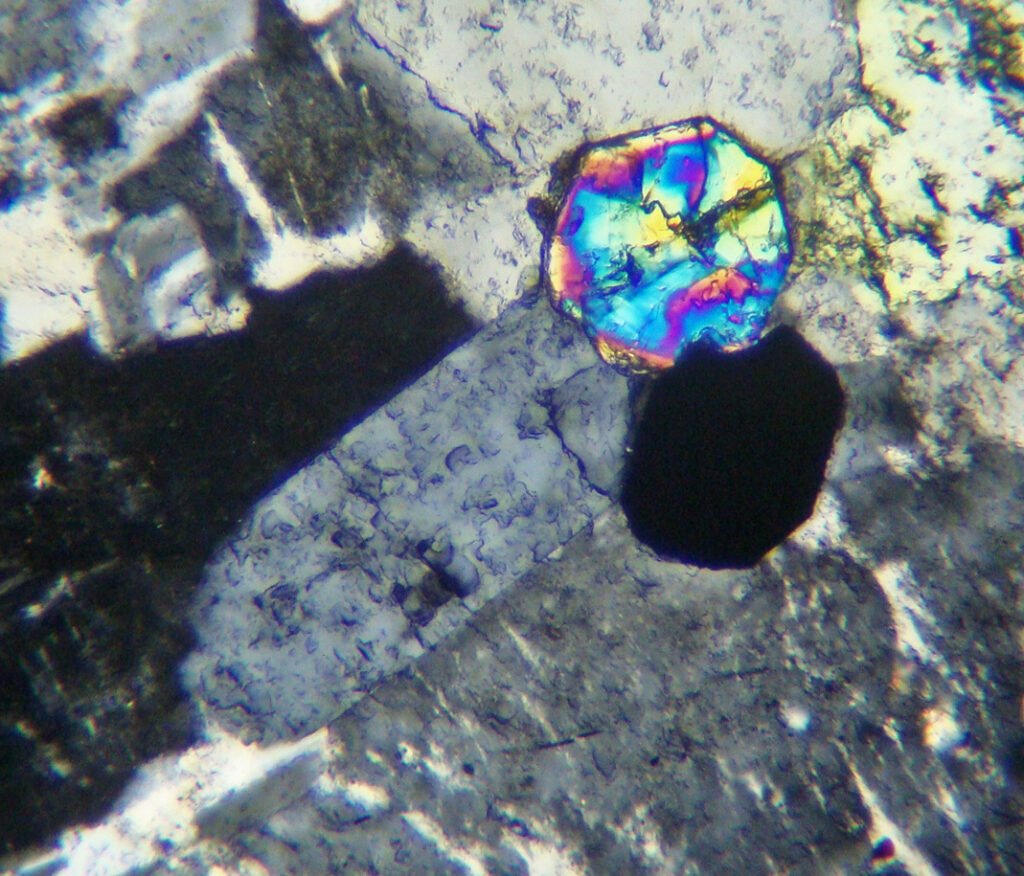
Birefringence and Interference Colors: Very high birefringence, 3rd and 4th order, 0.036 to 0.062 (or 0.047 – 0.0550): intense, vivid and colorful in longitudinal sections.
In the basal sections, the colors tend to be dark, gray or yellowish.
Extinction: Parallel according to the elongation.
Elongation sign: ES(+)
Twins: Rare, according to {111} or {101} – literature diverges.
Zoning: Zircon can develop a spectacular zoning, formed by successive bands of different colors. Generally, however, the grains are too small to notice zoning, or only the edge is seen with a different color than the core. The older the rock (and the zircon), the more pronounced the zoning.
As the nucleous of the grains are very rich in U and Th, intense metamictization (isotropization) occurrs, which generates an increase in volume and can “explode” the outer layer of the grain.
CONVERGENT LIGHT
Character: U(+). It is usually quite difficult to get a good figure because the grains are so small. Basal sections (square to round), with interference colors between dark gray and yellowish, provide good figures as they approach the isotropy section of the optical indicator. Longitudinal sections (prismatic to elliptical), with intense interference colors, tend to provide figures (parallel to the optical axis) that are difficult to recognize. Zircon, when metamictic, is isotropic or biaxial.
2V angle: anomalous up to 10º is possible.
Alterations: does not alters easily. Concentrates in detrital (alluvial) placer deposits. If it contains radioactive elements in sufficient quantities, it can become metamict (isotropic).
May be confused with: it is easy to confuse zircon with epidote, monazite and titanite, especially when they occur in very small grains. The four occur together as accessory minerals in many rock types, have similar reliefs, similar interference colors, parallel or impossible-to-classify extinction (rounded grains), and often low-quality interference figures that are difficult to determine.
Epidote shows weak green/yellow pleochroism, has lower relief and is biaxial.
Monazite in PPL is normally colored in faint colors, has a sharp cleavage and is biaxial.
Titanite is brown, with lower interference colors and in CPL is often similar as in PPL.
Allanite usually shows pleochroism in brown to yellow colors.
Xenotime (YPO4) is also U(+), but shows pleochroism in yellow tones and has higher interference colors.
Apatite has a lower relief and gray interference color.
Cassiterite is not colorless.
Rutile is not colorless, is darker and has a higher refractive index.